
PHOTO
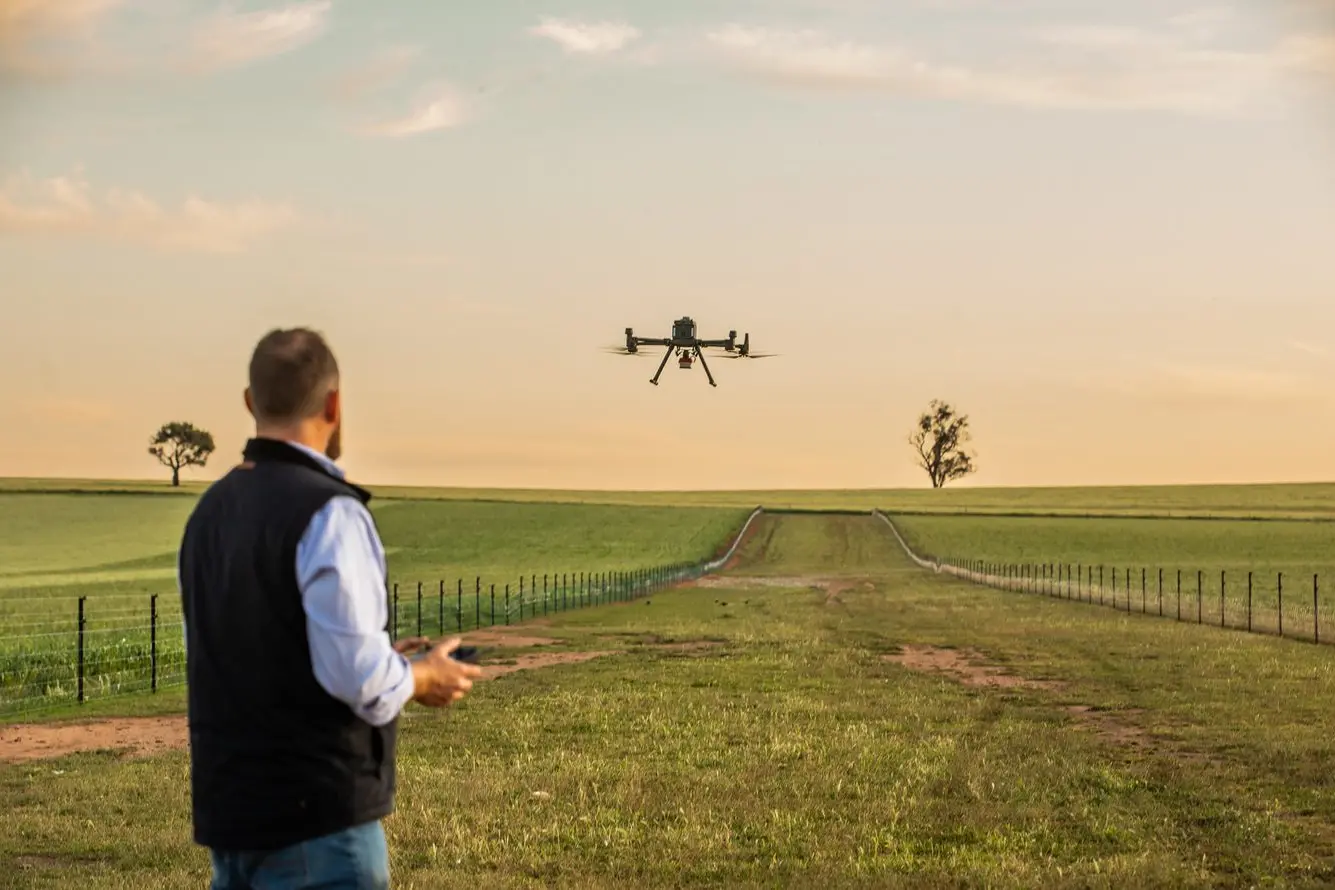
CHARLES Sturt University is investing more than $50 million into projects which will revolutionise the Australian agriculture industry.
The investments, facilitated through the University, the Agrisciences Research and Business Park (AgriPark) and key industry partners, will build on the University’s existing substantial investments in agricultural research.
The new investments include $22 million over three years for various projects at the Global Digital Farm, $20 million over three years for various projects in the Renewables in Agriculture program, $10 million across various projects in the Cool Soils Initiative and $8 million towards a circularity Centre of Excellence being developed in Wagga Wagga.
In addition to these projects, Charles Sturt’s Red Meat Innovation Centre is helping to develop a Feedlot of the Future for sheep in Wagga Wagga; to date, these feedlots have only been developed for cattle.
Charles Sturt vice-chancellor, Professor Renée Leon, said the investments would help to address challenges and unlock opportunities in the agriculture sector, helping to push the industry towards its goal of exceeding $100 billion in farm gate output by 2030.
"These investments mark a significant step towards realising the vision of a more sustainable, innovative and resilient Australian agriculture sector," Professor Leon said.
“Charles Sturt is at the forefront of innovation across the board, but our agricultural research is truly leading the way on a global scale.
"By collaborating with sector-leading partners like Telstra, NAB, Food Agility CRC and others, Charles Sturt is able to better leverage our researchers’ cutting-edge innovations to serve the needs of primary producers and the industry as a whole.”
The announcement of these investments comes in the wake of news that Charles Sturt will lead the AgriTwins project as part of CSIRO’s Next Generation Graduates Program.
The University’s Artificial Intelligence and Cyber Futures Institute (AICF) and the AgriPark will spearhead a new era in Australian agriculture through the education of 11 research students, eight PhD students, two master’s students, and one honours student in the fields of advanced artificial intelligence (AI) and cybersecurity.
The project is a $1.59 million dollar collaboration between nine industry, four academic partners, and CSIRO to recruit students to specialise in digital twins and agriculture.