
PHOTO
LOCAL fire officials have urged residents to be proactive in their spring fire preparations, despite an above–average rainfall forecast expected to drastically reduce fire risk throughout the rural city.
According to the Australian Seasonal Bushfire Outlook for spring recently released by Australian Fire and Emergency Service Authorities Council (AFAC), recent strong rainfall coupled with a wetter than average spring forecast should leave the region's forests saturated through to the end of October.
Burnt areas from the 2018/19 and 2019/20 fire seasons are also anticipated to experience below normal fire risk.
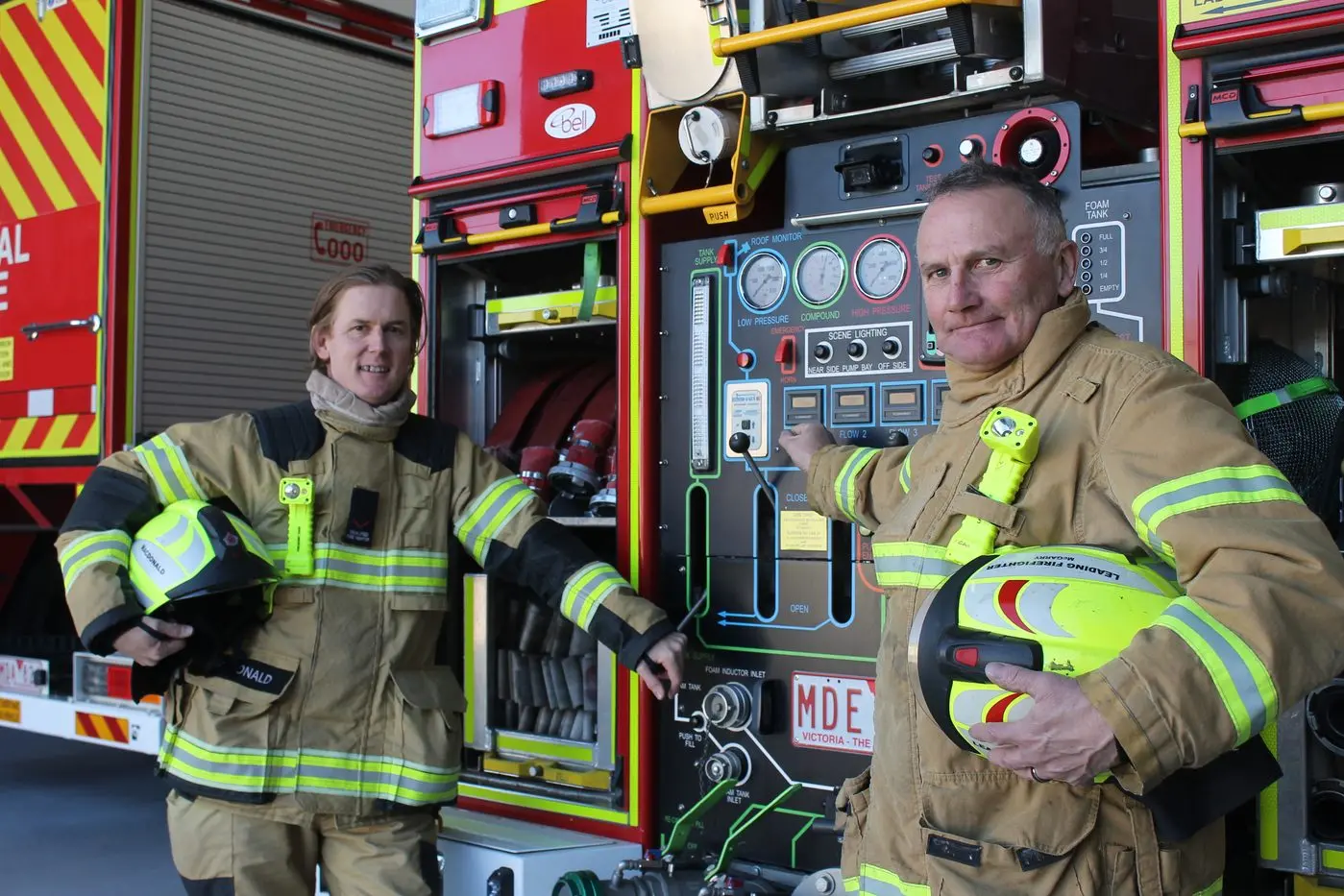
Despite the science suggesting a low likelihood of forest fires in the short–term, Wangaratta Fire Rescue Victoria (FRV) commander Ashley Mills said local residents would be naïve to enter the summer underprepared.
"Regardless of what the forecast is for summer, we can still have life loss, property loss and all that sort of stuff occurring in what would seem like a fairly mediocre fire weather day," he said.
"If people think that because they live in a built up area like Wangaratta that they're safe from wildfire and the issues that result, I'd say that's a fairly naïve perspective given the weather events that we've seen over the last 10 years.
"The fire services will be stepping up and doing everything they can to prepare – for me it's a 50/50 thing – yes we can do our bit but if our people in the community aren't committed to it, they're not taking their chances of success to the level they need to."
According to the AFAC report, a negative Indian Ocean Dipole (IOD) formed in early winter was the catalyst for consistent rainfall in recent months, which, when combined with a 70 per cent chance of a La Niña weather event reforming later this year, would see wet conditions persist.
Historically, forest fire activity in eastern Australia is considerably lessened during a negative IOD and Lan Niña, however, resulting vegetation growth can pose a significant grassfire risk during short bursts of warmer, drier weather.
With catchments expected to remain saturated in the short–term, VICSES chief officer Tim Wiebusch said local residents should also be prepared in the event of a severe flood.
"Get ready before the rain falls – we know this spring is expected to be wetter than average, and that early preparation is the best defence against storms," he said.
"There are now over 140 local guides available for at–risk flood townships – we strongly encourage members of the community to go to the VICSES interactive maps to look up their local flood guides.
"If you ever come across floodwater, it's vital you never enter it – it can take just 15cm of water for a small car to float or lose traction, it may be the last decision you ever make.
"VICSES will continue to work closely with the emergency services sector to ensure the safety of Victorian communities, beyond the upcoming spring season."