PHOTO
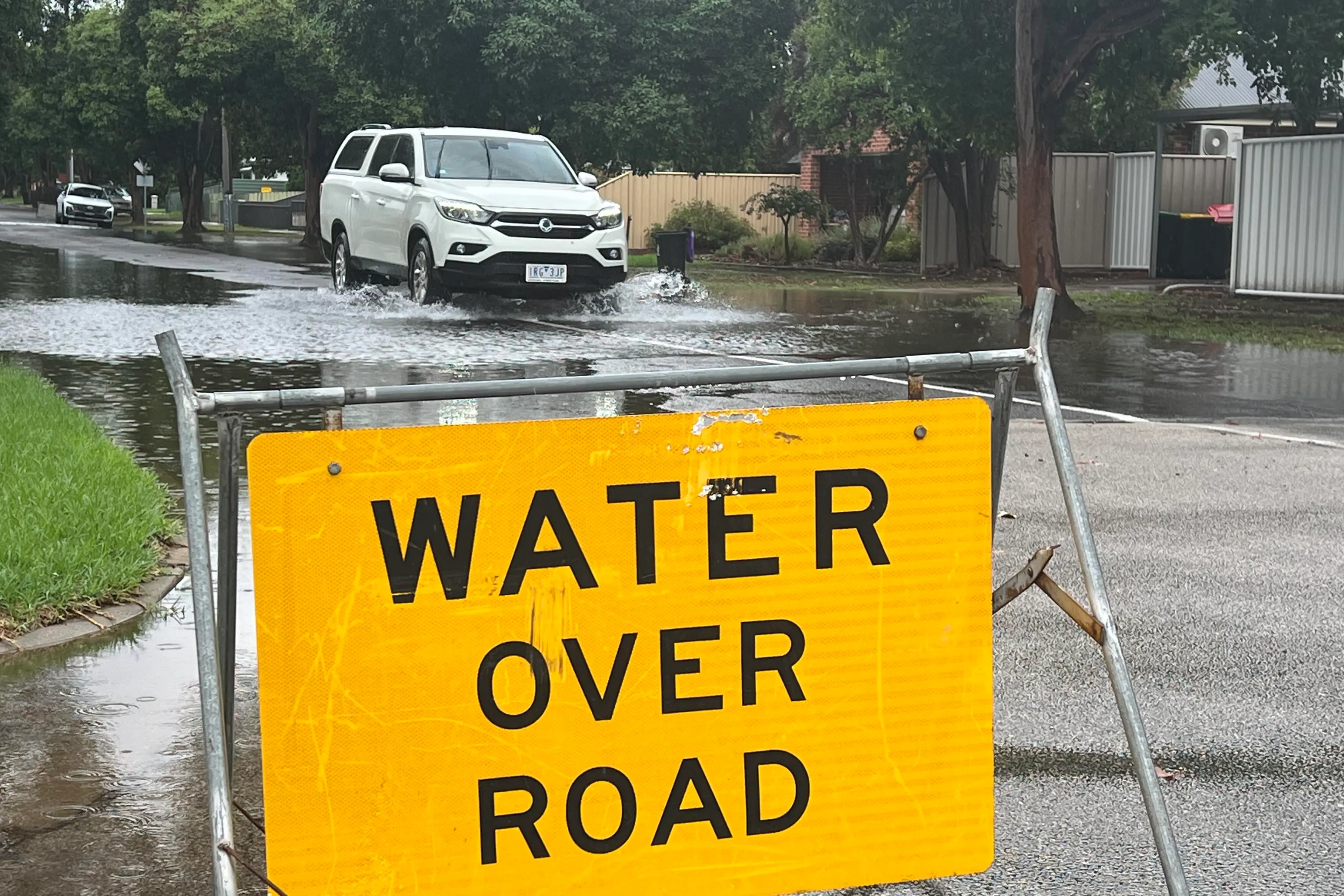
Most of Victoria received welcome above average rainfall during March after a dry summer season.
Maximum temperatures were generally close to the March normal, while minimum temperatures were about 1.5 to two degrees above normal.
In North East Victoria maximum temperatures were close to average, while minimum temperatures were a little higher at 2.5 degrees above normal being the warmest for March for 10 years.
At Wangaratta the mean maximum temperature for March was 27.5 degrees and the mean minimum temperature was 13.2 degrees.
The monthly rainfall of 92.6mms was the wettest for March since 170mms in 2012.
The wettest day was 39.5mms on 3 March and the highest temperature of 33.3 degrees was on 11 March, whilst the lowest temperature was a chilly 5.8 degrees on 28 March.
At the other main centres the hottest day was 33.9 degrees at Yarrawonga, 33.7 degrees at Albury and 33.9 degrees also on 11 March and 33.9 degrees at Benalla on 14 March.
The lowest temperature at other main centres were around three to seven degrees on 28 March.
Rainfalls included 106mms at Rutherglen which was the wettest since 2012, 62mms at Benalla, 70.8mms at Yarrawonga, and 86mms at Albury, with the wettest days being on 2/3 March.
Other rainfalls for March included 161.8mms at Mt Buller after 177.8mms in February, Falls Creek 154 mms, and Mt Hotham 103mms.
Falls Creek had minus 2.4 degrees on 28 March with snowfalls.
Whitfield received 98.8mms of rainfall for the month.
The total sunshine for March was well down on normal with only 191 hours.
There was full cloud cover on 3 March which made it impossible to see the total eclipse of the moon.
Further north many towns are suffering from dry conditions.
Moree had only 1.6mms in March - its driest March since 2013 - following dry conditions since last December.
Further north into Queensland, St George has had only 135mms since September, which is the driest since 153mms since September 1943 to March 1944.
The year 1944 was one of the driest of the nation.
In the Northern Territory this year, Alice Springs had its hottest January with a mean maximum temperature of 40.8 degrees and then had a very wet February with a mean maximum temperature of 32.8 degrees.
This was the biggest ever temperature drop of eight degrees on record in 154 years of record from January to February in the same year at Alice Springs.
There were big temperature drops of 6.5 degrees in the same year at Alice Springs in both 1967 and 1887.