PHOTO
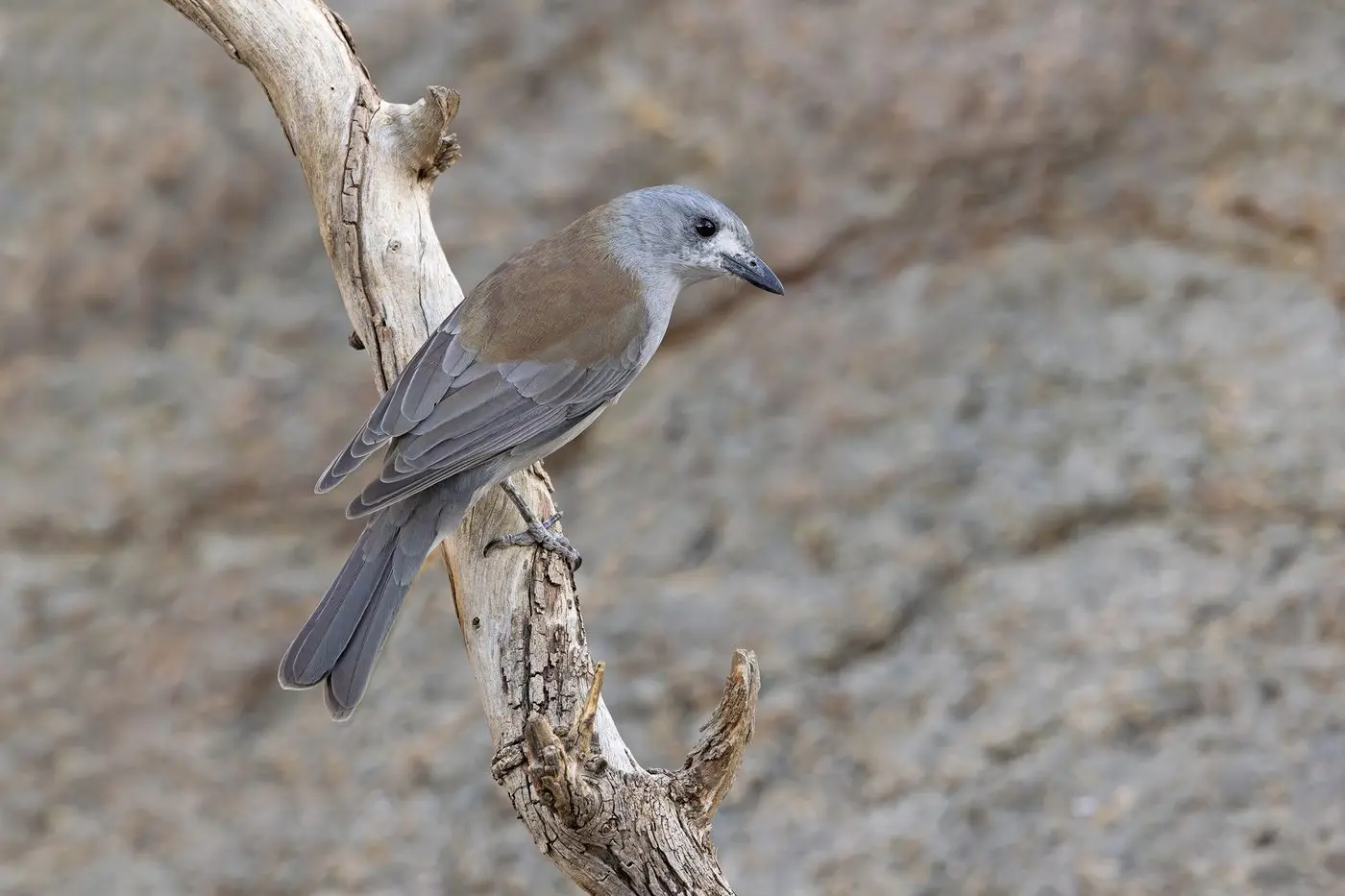
ONE of Australia’s most widespread and familiar bush birds, the Grey Shrike-thrush occurs throughout every State and Territory in the country, in all manner of treed environments.
There are five recognised subspecies across their range – the race here in north-east Victoria having an extensive range right throughout south-eastern Australia.
Subtle visual differences exist between these subspecies but their calls are often quite different, at times being unrecognisable as a Grey Shrike-thrush even to the skilled birdwatcher.
Even within each subspecies, the Grey Shrike-thrush has a wide repertoire of calls that often vary throughout the different seasons, one of the more distinctive being their ‘autumn-winter’ call here in this region.
Recently, birds locally have been giving this distinctive single note call, in addition to their usual musical song which is given year-round.
Grey Shrike-thrushes typically occur in pairs, keeping contact through periodic calling.
They actively forage for food by gleaning from tree branches, probing amongst leaf litter or poking underneath peeling bark in search of insects, spiders and small vertebrates such as skinks.
They are even known to take baby birds from their nests.
Around human habitation, Grey Shrike-thrushes often construct their bulky bark nests under verandas and eaves, on ledges against walls, often behind wall-hung plants such as Staghorn Ferns, and among rafters supporting grapevines and other climbers.
In natural situations, they nest in the tops of stumps, hollow spouts at the ends of tree branches and in upright tree forks, usually well disguised by fringing foliage and bark.
Locally, Grey Shrike-thrushes can be found almost anywhere, including along our creeks and rivers, in vegetation along roadsides, and in any patches of bush such as the Warby Ranges, the Killawarra forest, and wooded areas around Beechworth and Chiltern.