PHOTO
65875.0
Four-year-old kindergarten programs across the Rural City of Wangaratta are expanded this year, with local children spending more time learning and playing as part of the state’s gradual transition to the new Pre‑Prep reform.
From the start of 2026, Wangaratta became one of 12 additional local government areas across Victoria to roll out the extended four‑year‑old kindergarten program, increasing funded hours from 15 to between 16 and 20 hours per week, depending on the service.
The reform is part of the Victorian government’s plan to transform four‑year‑old kindergarten statewide by increasing hours of free, play‑based learning before formal schooling begins.
Across Victoria, more than 130 kindergarten services are now offering expanded programs, with more than 3000 children set to benefit in 2026.
Families are expected to save up to $2700 per child in kinder fees as a result.
Locally, North East Regional Pre School Association (NERPSA) manager Leigh Chadban said the transition to Pre‑Prep had begun smoothly across Wangaratta services.
“In the Rural City of Wangaratta, the four‑year‑old kindergarten program commenced transitioning to Pre‑Prep at the start of 2026,” she said.
“This means children have now started getting more time in early learning before school.”
Ms Chadban said the exact number of hours varied between services, influenced by staffing, capacity and community needs.
“From 2026, funded hours have increased from 15 hours a week to between 16 and 20 hours, depending on the service,” she said.
“Across NERPSA services, there are a range of different offerings when it comes to hours.
"That really comes down to things like staffing, capacity, and what best meets the needs of each community.”
Ms Chadban said NERPSA had focused on a careful, staged expansion to ensure quality remained at the centre of the program.
“What’s most important is that families are able to choose an option that works best for their child and their family circumstances,” she said.
“Our focus has been on making sure we grow in a way that keeps programs high quality, even if that means scaling up a bit more gradually.”
She said educators were adapting well to the changes and children were already seeing the benefits.
“Overall, the transition has been really positive,” Ms Chadban said.
“Educators are adapting well, and children are benefiting from having more time to build relationships, settle into routines, and engage more deeply in their learning.
"Families are also appreciating the extra time and support.”
Ms Chadban said the reform was not expected to significantly change enrolment numbers, as most local children were already attending four‑year‑old kindergarten.
“What will change is that all children will now have access to more hours of early learning,” she said.
Registrations for 2027 kindergarten places will open in May, with open days scheduled from mid‑May to help families explore their options.
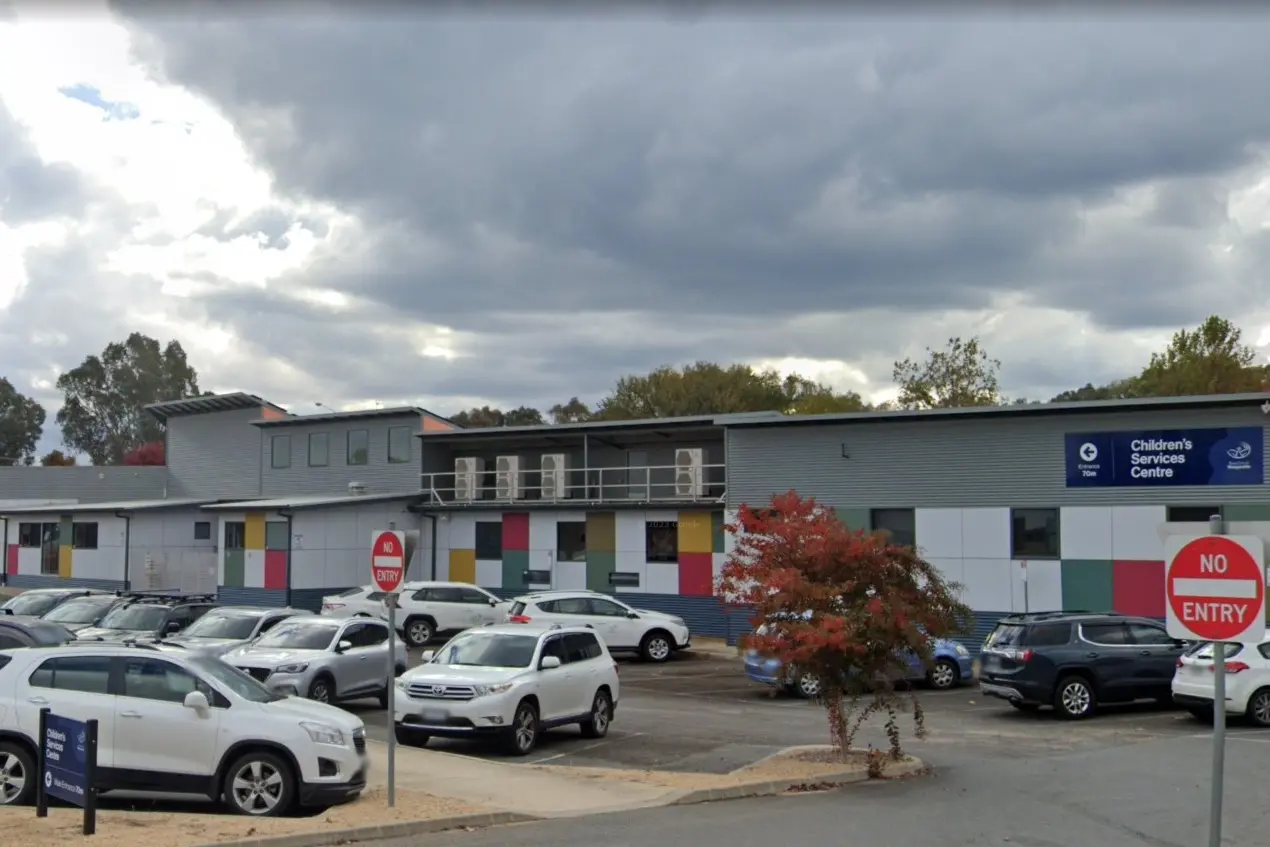
Rural City of Wangaratta family and children services coordinator Zoe Konkoly said council's Wangaratta Children’s Services Centre offers families the full 20 hours of funded four-year-old kindergarten each week.
"These additional hours give children more time to learn through play, build relationships and settle into routines, while also providing meaningful cost of living relief for local families," she said.
The centre still have some spots for the remainder of the year for families currently not enrolled and will have 2027 registrations also opening next month.
Looking ahead, the Pre‑Prep program will continue to expand, eventually reaching up to 30 hours per week by 2031 at the earliest, and by 2036 at the latest, as the statewide rollout continues.