
PHOTO
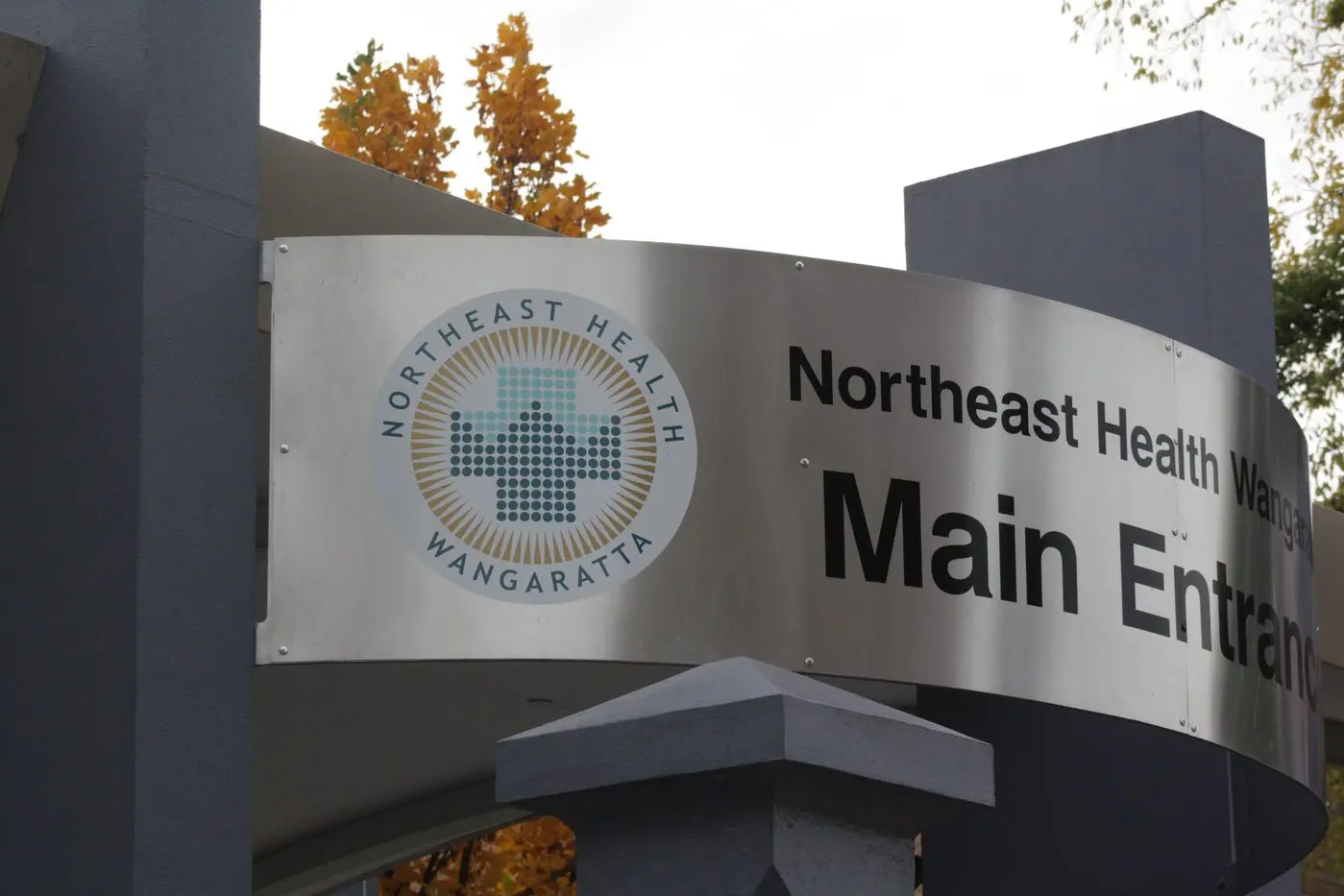
A YARRAWONGA man who died as a result of an intracranial haemorrhage following a fall at his home in 2019 was subject to delay and error in the interpretation and communication of scans at Northeast Health Wangaratta (NHW), a coroner has found.
In a recent hearing, coroner Audrey Jamieson found “the opportunity to provide the appropriate medical care and treatment was lost” to 85-year-old Reginal Desmond Benham, after he suffered a stroke at his Yarrawonga home on August 24.
Ambulance crews attended Mr Benham’s home around 8pm after the elderly man suffered a fall, and observed Mr Benham unable to speak, and with a right facial droop, paralysis of his right side and a bleeding laceration around his right ear.
He was subsequently urgently transported to NHW, and a CT brain scan was carried out shortly after 9pm after emergency clinicians observed “right sided weakness consistent with a stroke”.
At 9.39pm, clinicians were said to have consulted with the Victorian Stroke Telemedicine Service (VST), with a consultant neurologist recommending intravenous thrombolysis be undertaken after viewing the CT scan, a treatment which was subsequently commenced an hour later.
The court found a report filed by the radiologist was not properly communicated to clinicians, who became aware of a small sub-arachnoid haemorrhage some 40 minutes after commencing thrombolysis, a condition which the neurologist had failed to notice.
A further 15-minute call around 11.20pm with the VST neurologist resulted in thrombolysis treatment being discontinued.
A large subarachnoid haemorrhage identified by a further CT scan was deemed “non-survivable”, and Mr Benham was placed in palliative care and died around 8pm the following night.
A forensic pathologist later found the medication provided for thrombolysis had caused the “massive cerebral haemorrhage and subsequent death”.
“The exact reasons for the communication delay notwithstanding, it remains that by not informing Mr Benham’s treating clinicians of the availability of the report, an opportunity was lost to either not commence or to cease the thrombolysis treatment,” Ms Jamieson told the court.
A subsequent audit of Wangaratta Hospital’s IT system found the radiologist’s report had been opened by a nursing student uninvolved in Mr Benham’s treatment around 10.43pm, who had failed to advise treating clinicians of the report’s availability.
NHW had contended clinicians’ reliance on the advice of the VST consultant neurologist had been reasonable in the circumstances.
Despite finding error in Mr Benham’s treatment, Ms Jamieson said she could not determine whether his death could have been prevented.
“I am unable to determine with any certainty whether he would have succumbed to his large thromboembolic stroke if the thrombolysis was withheld,” she said.
“As such, I am unable to find whether the death of Reginald Desmond Benham was preventable.
“Although I cannot find with any certainty that his death was preventable, I find that due to both the error in interpreting the CT scan and the delay in communicating the findings of sub-arachnoid haemorrhage, the opportunity to provide the appropriate medical care and treatment was lost to Reginald Desmond Benham.”
Ms Jamieson also found clinicians had acted reasonably in adopting the initial advice of the VST neurologist.
She also expressed condolences to Mr Benham’s family.