
PHOTO
Winter Bills to Summer Heat: Preparing Your Home for the Seasonal Shift
Winter has a way of making you very aware of how much it costs to keep your home comfortable. Then, just as the heating starts getting a break, summer arrives with its own demands. Instead of keeping the cold out, you’re suddenly trying to keep the heat out, with air conditioning, fans and other appliances potentially working harder as temperatures climb.
The way you use energy around the home changes with the seasons, too. Longer days bring more opportunities to generate and use solar power, while hot weather can increase your reliance on cooling. A home that felt perfectly comfortable through winter may need a little preparation to handle the other extreme.
So, before the first really hot days arrive, let’s explain how to get your home ready for the seasonal shift.
1. Get Your Home Ready for a Change in Energy Use
Summer is coming, and with it come changes in the weather and your cooling needs. If you think your electricity consumption will be higher this summer, it may be time to consider options like a solar battery Melbourne homeowners can install. AC units, fans and many other appliances can all contribute to higher power demands in the home. Understanding when your household uses electricity can be just as important as understanding how much.
The long days of summer can also create an opportunity for solar panels to generate electricity throughout the day. If your household is home during daylight hours, that energy can be used immediately, but a battery gives you another option for storing electricity when you don’t need it to use at a later time. This is great for times when you need electricity in the evening once solar generation has ceased.
Solargain’s Wangaratta branch can help you make sense of what battery and solar options are available for your home. They can help you understand your household’s current energy consumption, when you typically use the most power and how your needs might change over summer. This can help you determine what setup will work best for you instead of only trying to minimise your energy usage.
2. Keep the Summer Heat Outside
Preventing heat from entering your home is one of the easiest strategies for improving comfort during summer. Windows and doors can often let hot air in if their seals have become damaged or deteriorated, particularly if they haven't been checked after the cooler, damper months. Seal any gaps around windows and doors to stop heat entering your home.
Window treatments can also play an important role in keeping your home comfortable during summer. Between curtains, blinds, and external shading, there are plenty of options for limiting direct sunlight, particularly through windows with strong afternoon sun. Insulation also plays an important role in regulating your home's temperature in winter and summer by reducing how quickly heat enters during summer and escapes during winter.
The less heat that enters your home, the less your air conditioner will have to work to cool your home once the temperatures rise. A few small changes can allow you to cool your home before even turning on your air conditioner.
3. Make Sure Your Cooling System Is Ready
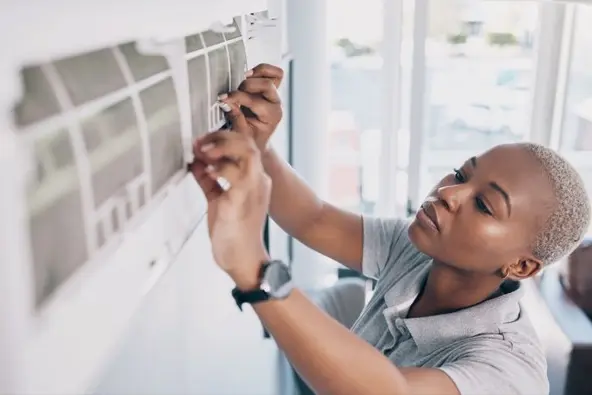
Your cooling system will have to work much harder during the summer months. Make sure it works properly before those first really warm days hit. Replace air conditioner filters (or clean them, if applicable) and see if your system is cooling your home properly. Also schedule any maintenance your cooling system may need before you rely on it daily.
You should also consider ceiling fans to keep yourself comfortable in rooms without having your air conditioner working overtime. While they aren’t a replacement for air conditioning in extreme heat, a ceiling fan may help slash your costs by allowing you to rely less heavily on your cooling system when temperatures are more manageable.
You could even look into getting a new system if your current air conditioner is old, poorly working or not keeping your house cool. Since an inefficient cooling system can be hard to ignore when it’s running constantly, it can be a good idea to get a new system before summer so you have time to shop around. Don’t wait until your air conditioner dies on a hot summer day before taking care of the issue.
4. Rethink How You Use Energy at Home
Summer is also a great time to start paying attention to not only how much energy you use as a household but when you use it. If you use solar power in your home, for instance, running power-heavy appliances during the day means you’ll utilise more of the energy you’re actually generating, rather than drawing from the grid later on.
This also applies to daily tasks like doing laundry or drying your clothes, running the dishwasher, and using other larger appliances. You may also want to look at when you use hot water, especially if your hot water system is one of the larger consumers of energy in your home.
You should also pay attention to how certain activities heat up your home. Cooking on the oven or cooktop in the middle of summer can heat up your home at a time when you’re trying to keep it cool. Where possible, try moving these activities to cooler parts of the day so you can keep your home comfortable and your cooling system from having to work too hard.
The goal isn’t to obsessively track every appliance in your home. It’s about learning to align your energy usage with the world around you, which is especially easy to see during summer’s longer days.
5. Get Your Outdoor Areas Summer-Ready
Prepping your home for summer doesn’t have to stop at indoor jobs. Outdoor living spaces are also important for making the most of your home when the weather warms up, especially if you have somewhere shaded to sit, dine or entertain outside without being crammed inside with the AC on blast.
Maintenance of your gutters and drainage should be done first thing after winter, followed by general inspections of any outdoor electrical systems, pool areas and features that will get more usage over summer.
Outdoor spaces can also benefit from the shade cast by trees around your property. Shade from trees is one of the many benefits of trees in our local streets, as mature trees can provide much-needed shade to turn areas around your home and within neighbourhoods into cooler, more liveable spaces.
Consider how you want to spend your time outside over summer when getting your backyard ready. Whether it be a shaded lounge area, spruced up entertaining space or cosy spot to unwind, having options for where to spend your time when it’s warm can give you more opportunities rather than hiding inside to avoid the heat.
6. Plan Ahead for the Hottest Part of the Year
Doing summer preparation before the season starts means you’re not scrambling to solve a problem when the first heatwave rolls through. If your air conditioner can’t keep up, your home becomes a sauna in minutes, or your electricity bills jump higher than you’re anticipating, you’ll want to have already figured out what needs fixing.
It’s also smart to think about how your household will manage if the power goes out. Summer in Wangaratta can see extended stretches of extreme heat, and families will often see multiple power outages throughout the season. When it comes to preparing your home for summer in Wangaratta, having a solution for combating the heat during power outages is important, especially if you rely on cooling or other appliances that would be unavailable without electricity.
Begin by reviewing your winter energy bills and considering how your family’s demands will shift as temperatures increase. You can then make improvements over time, whether that’s enhancing your home’s energy efficiency, winterising your cooling system or investing in technology to keep your appliances on during an outage. By thinking ahead, you’ll have more solutions than if you wait until summer is already here.
A More Comfortable Home for the Season Ahead
Moving from winter into summer is a great time to evaluate how prepared your home is for the warmer months. Ensuring heat stays out and prepping your air conditioner may be top-of-mind, but being proactive with your energy usage can also improve how your home feels. Taking stock of your usage habits, considering investing in solar or battery storage and preparing for outages are all great ways to feel ready for summer.
Make a few small improvements before the heat hits full force so you can enjoy your home instead of reacting to issues.