PHOTO
70735.0
Telecommunications complaints remained steady nationwide in the first three months of 2026, but rising mobile service issues and growing financial hardship concerns are continuing to hit Australians, particularly those in regional areas such as Indi.
The Telecommunications Industry Ombudsman (TIO) received 14,002 complaints between January and March 2026, a similar volume to the previous quarter.
The TIO’s Quarter 3 Complaints Report shows more people seeking compensation after being left out of pocket and more people seeking financial hardship support.
People asked for financial loss compensation in 32.7 per cent more complaints than the previous quarter.
For the third consecutive quarter, complaints from people seeking compensation for non-financial loss also increased, up 3 per cent from the previous quarter and 16.4 per cent compared to the same period last year.
After declining last quarter, financial hardship problems went up 25.3 per cent.
The increase reflects renewed financial pressure, with more people struggling to get the support they need to manage phone and internet bills.
Mobile complaints increased again this quarter, up 5.7 per cent to 6739 complaints.
Several mobile connectivity and reliability problems also increased from last quarter.
More people reported delays setting up mobile services, up 31 per cent to 418 complaints.
Complaints from people without a working mobile service went up 25 per cent to 540 complaints.
Mobile complaints about poor coverage increased to 781 complaints, up 16 per cent.
Problems with mobile fault testing methods not working or being hard to follow went up 9.5 per cent to 643 complaints.
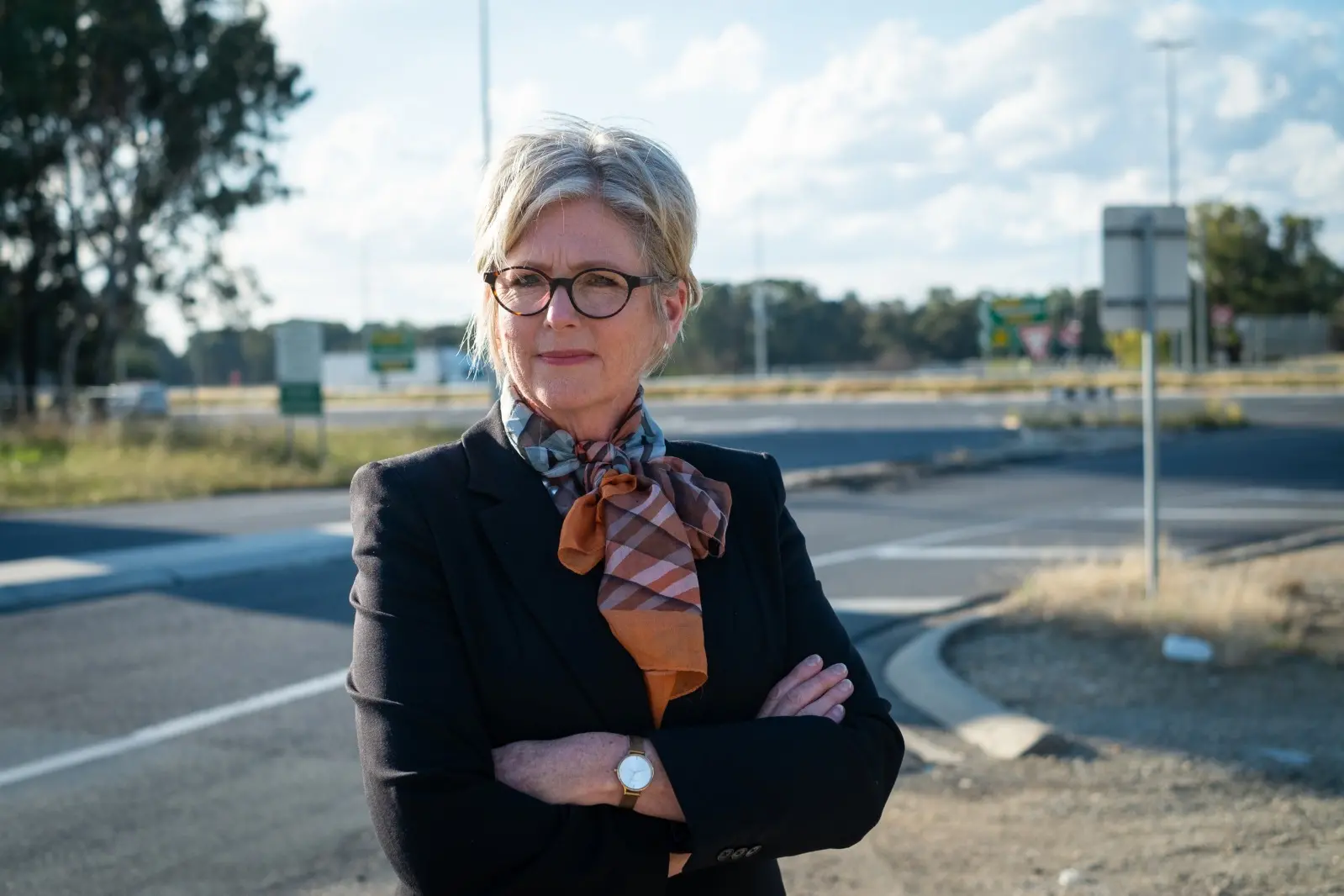
Wangaratta-based Independent MP for Indi, Dr Helen Haines, said the latest telecommunications industry ombudsman data shows too many Australians are still dealing with poor service, delays, and unresolved complaints from their telcos - and that needs to change.
“That’s why I’ve put forward amendments to strengthen the government’s Universal Outdoor Mobile Obligation by embedding affordability and stronger consumer protections,” she said.
“These are common sense changes, that I urge the government to support, to deliver fairness for consumers.”
Ombudsman Cynthia Gebert said complaint levels are stable overall but it’s concerning that mobile complaint numbers keep getting higher.
“When people can't use their mobile, it disrupts access to basic necessities and stops people getting on with their lives,” she said.
“It’s an even bigger problem for people who are more isolated with less options, like many living in regional, rural and remote parts of Australia.”
“Phone or internet problems can leave people out of pocket, so more are asking for financial loss compensation.
“Outages or delays fixing a fault can contribute to lost income.
“We also hear from people who need a payment plan but can’t get one they can afford, ending up deeper in debt.
“By the time people reach us, a single setback could have turned into real financial stress.
“The ask is for telcos to communicate earlier and more regularly with their customers, to build trust and reduce the need for escalation.
“Where possible, telcos should also consider being proactive by identifying and fixing problems before customers raise them.”