PHOTO
70844.0
North East farmers are adopting strict efficiency measures to protect their margins against a compounding high-cost season.
A slow and gradual drop in diesel prices to below $2 a litre following news on Thursday morning the Strait of Hormuz was set to reopen has brought some welcome relief to local growers and producers.
However, the financial footprint of the earlier autumn fuel spike, which saw diesel climb past $3 a litre in late March, is already locked into the current season.
Ag Warehouse Wangaratta agronomist Darcy Bullen said the initial challenge for cropping operations began in the paddocks, where preparing the soil required extra diesel to rip the ground.
From there, the price of fuel flowed directly into freight costs, hitting bulk commodities like fertiliser the hardest.
To protect their margins, Mr Bullen said local farmers have had to move away from standard, broad-acre applications and focus heavily on data and paddock history.
"There has been a bit more strategic use of soil tests just to review the rates going out... selecting paddocks that are already in a state that can grow a good crop," he said.
Rather than treating every field equally, Mr Bullen said growers are actively selecting paddocks that are already well-positioned to carry a crop.
This includes identifying blocks with a strong nitrogen history or those coming out of a good clover phase, leveraging the plant's natural ability to fix nitrogen into the soil.
“They are just trying to be strategic with where fertiliser is put out,” Mr Bullen said.
“You try to take a calculated approach, gather what information you can, and make a decision at the end of the day.”
For livestock producers, the pressure of the season has required a similar focus on daily operational efficiency.
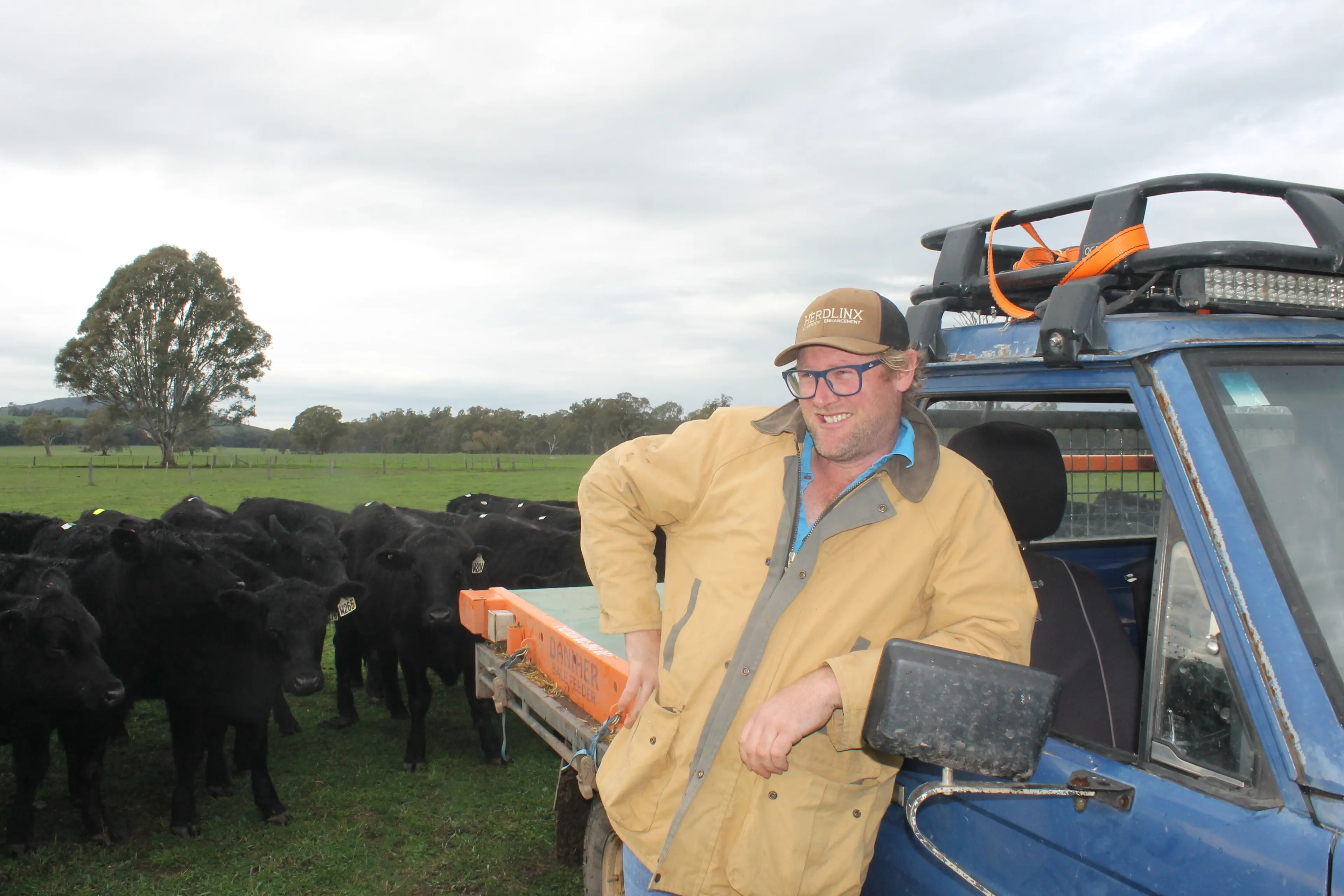
On his 1500-acre cow and calf operation in Winton, JP Murphy said he found practical ways to mitigate the autumn fuel peak.
"We're pretty lucky in that we filled up just before the war broke out, to be honest. We avoided that peak period," Mr Murphy said.
To extend those supplies, he said he had altered some of his daily operations.
"Usually, feeding cattle would take us a couple of hours to get around all the mobs, but we've been doing it in three," he said.
"That might sound a bit funny, but the fuel savings are actually pretty enormous by not over-revving it when you don't need to."
The careful management comes after a difficult prior year that left many local producers financially behind.
Low fodder yields last season forced Mr Murphy to buy in silage and hay early to secure his supply, a move that carried a high upfront cost.
However, strong market conditions have offered a financial buffer for those selling livestock in recent months.
"The stock prices have been quite positive, which has at least allowed anyone with saleable stock to get the cash flow to meet some extra costs," Mr Bullen said.
The Eastern States Young Cattle Indicator sits just below 1000c/kg carcass weight, the highest it has been since 2022.
While this season has been an improvement thanks to some recent rain, Mr Murphy said a weak autumn break presented ongoing challenges with soil moisture still shallow.
"We'd get a bit of rain, and the feed would get away, and then pretty quickly you rotate the cattle and it's all gone," he said.
The lack of deep rain kept dams critically low as Mr Murphy found out, when water levels drop and cattle concentrate around what's left, new biological risks emerge.
His farm was subject to an E.Coli outbreak in the late summer and early autumn, which resulted in the loss of a consecutive run of calves.
“We think the E. coli came from low dams and lots of birds concentrated on the dams more so than probably other years," he said.
“We had a real hard time during the peak of it when it was hot.”
Even in paddocks without major outbreaks, isolated cases of sickness persisted.
"You put a lot into trying to raise good cattle, and you don't want to lose them. That takes its toll," he said.
"Farming loves to throw up new things, and we probably learned some hard lessons through it, but I think we'll be better prepared for it moving forward."
Mr Murphy said the rain in recent weeks has arrived just in time to save low dams and keep the early-sown crops and feed going.
"This rain that's just come through is pretty critical for us; even as late as it is, it'll certainly make a difference," he said.
A new weather station was installed on Mr Murphy’s property last month, funded through the Goulburn Broken Catchment Management Authority (CMA) and delivered through the Gecko Clan Landcare Network.
The station will provide localised data to serve the broader district and aid local farmers with more informed decision making.
For both the cropping and livestock sectors, the remainder of the season now hinges entirely on consistent follow-up rain, but with the recent declaration of El Nino by the Bureau of Meteorology, further strategies may yet to be deployed.
"It's just a matter of how much rain we get from here on, but hopefully, it should hang on with a bit of decent rain," Mr Bullen said.
"In general, everyone is just hoping for things to improve, but you still need to have it in the ground now if you want a crop at the end of the season or enough hay."