
PHOTO
73929.0
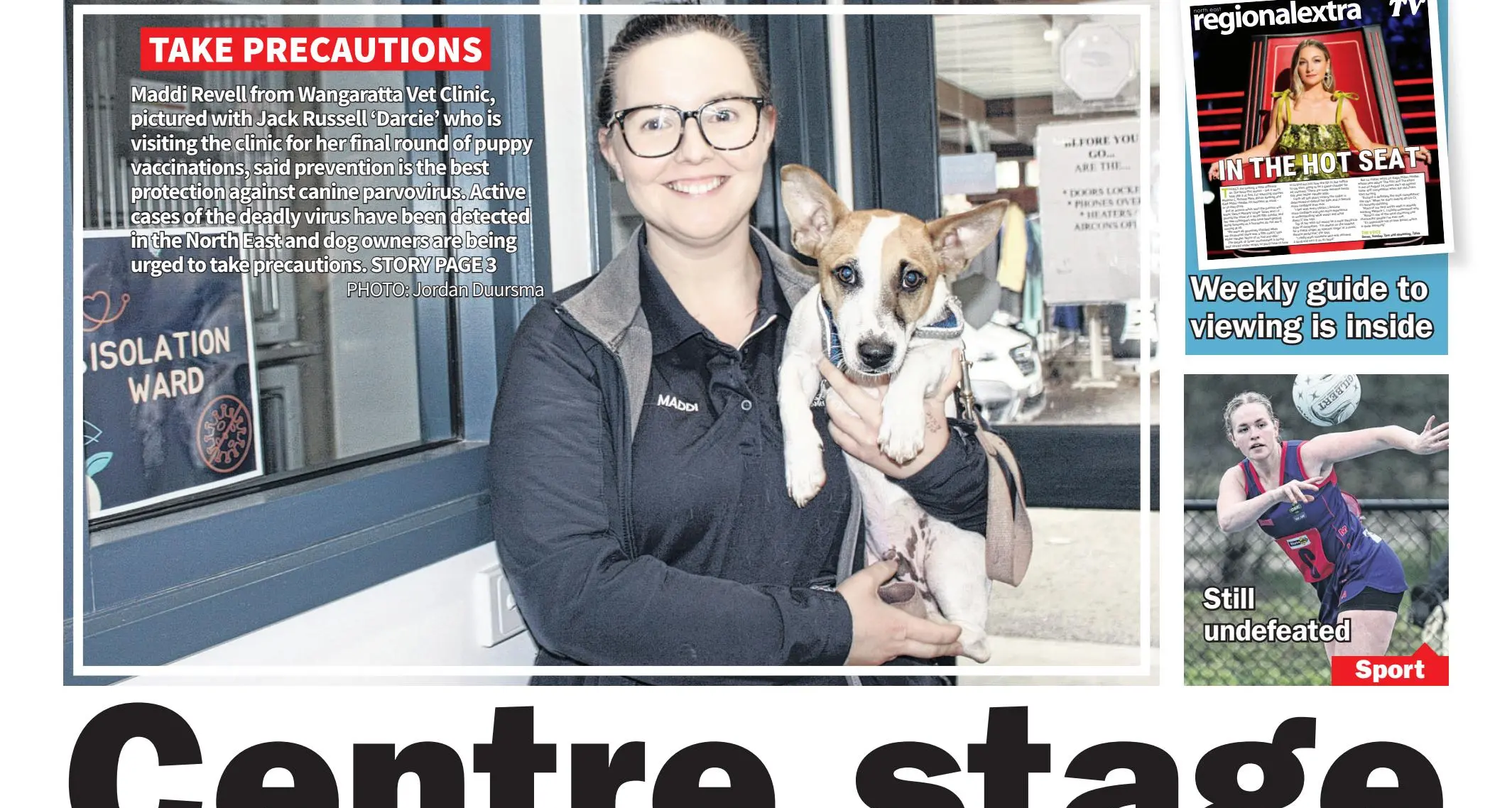
The detection of canine parvovirus in Wangaratta should be a sharp reminder to every dog owner that prevention is not optional.
Vets and the Rural City of Wangaratta have urged residents to make sure their pets’ vaccinations are up to date, avoid contact with sick animals, and watch closely for unusual symptoms.
Canine parvovirus is highly contagious and can be devastating for unvaccinated or partly vaccinated dogs.
Its most obvious signs are gastrointestinal, including lethargy, vomiting, diarrhoea and loss of appetite.
The virus attacks the gastrointestinal tract and immune system, causing life threatening dehydration, shock, sepsis and death if treatment is delayed.
Once a dog is infected, hospital care is often the only path to recovery.
That means vaccination remains the simplest, safest and most responsible protection available.
Parvovirus can survive in the environment and spread through contaminated faeces, surfaces, shoes, clothing and shared spaces, putting other dogs at risk long after one sick animal has passed through.
Owners who delay vaccination, ignore symptoms or dismiss veterinary advice are not only gambling with their own animal’s life, they may also endanger other pets across the community.
This warning also lands at a time when confidence in vaccination has been tested across different parts of society, despite its proven effectiveness.
Parvovirus is a clear example of why expert health advice matters.
Dog owners should check vaccination records, speak with their vet if they are unsure, keep vulnerable puppies and unvaccinated dogs away from high-risk areas, and seek immediate help if symptoms appear.