TEACHER availability remains a key consideration for schools across Victoria, including those in the Rural City of Wangaratta.

As in many sectors post–COVID restrictions, a perfect storm of retirements and the pandemic sparking thoughts of career change has resulted in shortages not only among staff, but also casual relief teachers (CRTs).

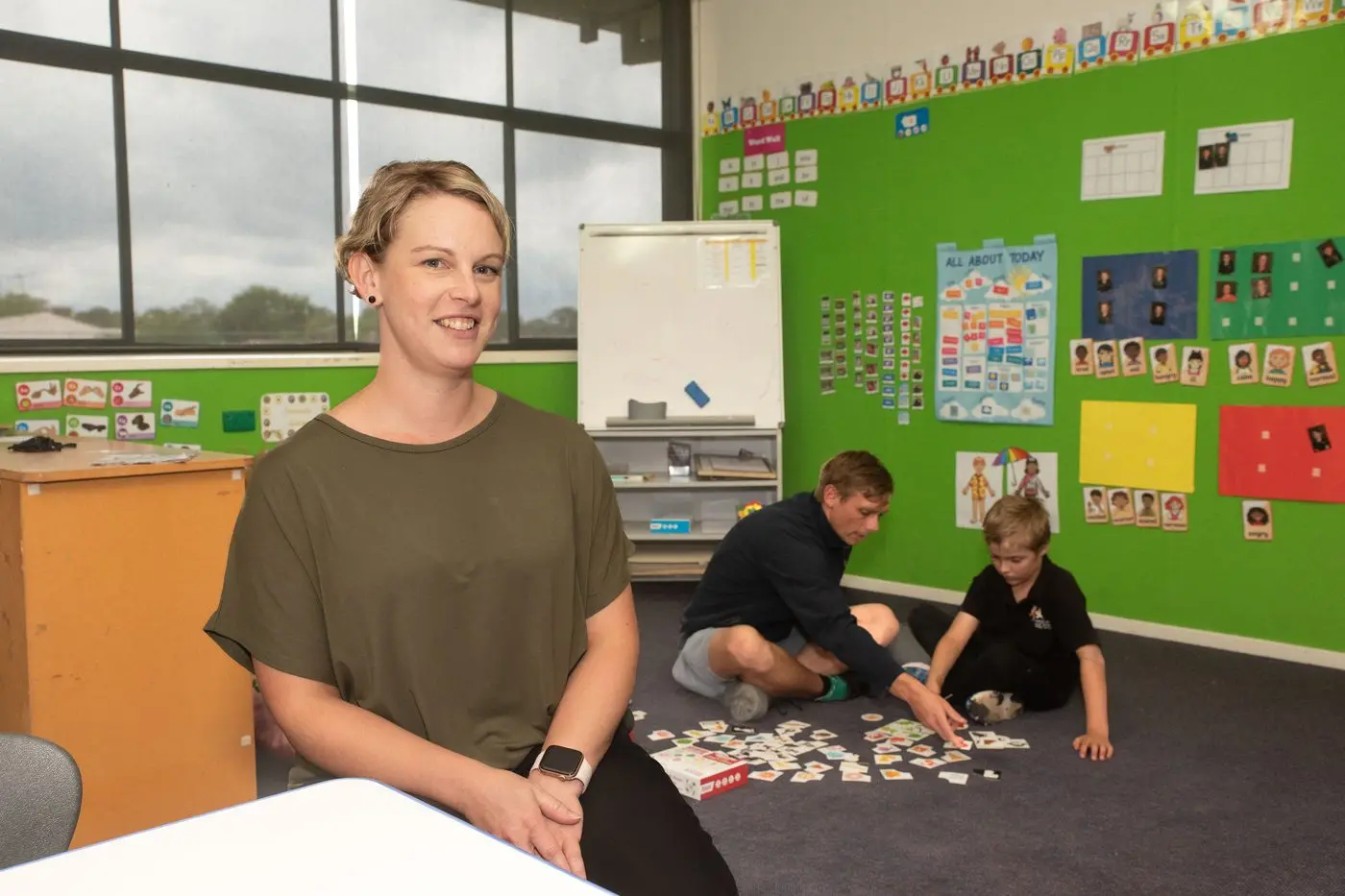
"Like most schools at the moment, it's a challenge trying to cover demand for teachers," Wangaratta West Primary School principal Kristy Mullins said.

"There is a drop in availability, and there are definitely schools at the moment which are finding it particularly difficult.

"We are having to split classes more often than we usually would, but it ebbs and flows.

"The Department (of Education) is doing everything it possibly can to help.

"I think they're doing a great job, with some really innovative ideas, and I feel really well–supported.

"I like the way they keep looking to schools and teachers and saying, 'What else can we do?'

"And our staff are such beautiful people, so the morale here is good.

"We're all in it together."

At Wangaratta District Specialist School, principal Alysha Jackson said the school had shifted from 21 classes in 2022 to 19 this year.

"We would have happily gone to 20, but we had a junior class for which we couldn't find a teacher," she said.

"We advertised last year, at the start of term four, and again at the start of this year, and there was not even an applicant.

"So as a result of not having enough teachers, we have bigger class numbers; our junior classes usually have seven or eight students, and now they have nine or 10, which reduces the opportunity for as much one–on–one work.

"We get a lot of enrolments during the year, and though we take them all, we just don't have the flexibility we usually would.

"From when I was in the classroom, I know how easy or how difficult it is to prepare a class, depending on whether numbers are low or high.

"I was very fortunate that I was already an assistant principal, and before that a classroom teacher at the school, so I can see through their eyes what they're up against.

"You also have to think about burnout, load and reporting, and if teachers get sick, there are virtually no CRTs to cover them.

"You can't split a class, because you've already got nine or 10 students in others."

At a recent principals' meeting, Ms Jackson said local school leaders were told there would be low teacher numbers for the remainder of this year and into 2024.

She said she welcomed the Department of Education's moves to increase the pool of teachers, including offering university students the chance to teach during their final year of studies.

"I got permission to teach in my fourth year of uni, which is where my career started," she said.

"It's a great chance to put into practice what you've learnt, so I'd welcome people being given that opportunity.

"There is also the chance for people to become mature–age teachers.

"If they've already been to uni, they would be able to get credit and complete a diploma."

Both principals said they would encourage anyone considering a career in education to pursue it.

"Teaching is a really rewarding job, regardless of whether you're working in mainstream or special schools: you're teaching for the future," Ms Jackson said.

Mrs Mullins, who said she knew from the age of six that she wanted to be a teacher, agreed.

"The feeling of helping a child discover something new or master something new, and the look on their face when they realise they can do it, it just fills you with so much joy and pride," she said.

"It's just so rewarding working with kids. It really is a privilege."