PHOTO
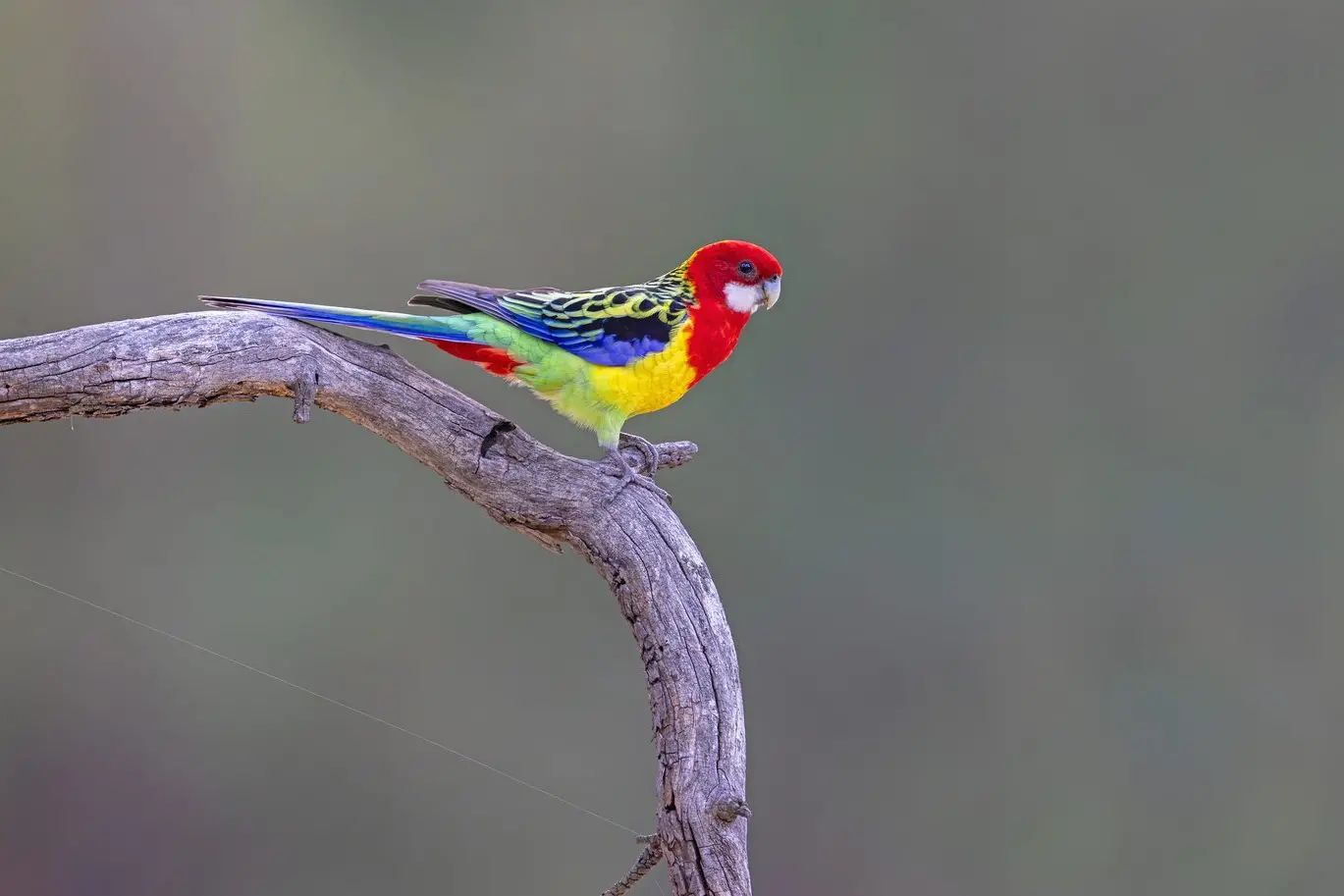
MADE famous by its namesake tomato sauce brand in the late 1800s, the rosella is one of Australia’s most familiar birds.
Of the six different species of rosellas, the Eastern Rosella is the original ‘rosella’.
The name was believed to have been coined by early settlers in the Sydney district of Rose Hill.
They called the colourful parrots ‘Rose Hillers’ which eventually was abbreviated to rosella.
Eastern Rosellas are distributed throughout the temperate regions of south-eastern Australia, inhabiting woodlands and timbered farmland.
They are very common birds and remain in good numbers even in towns and suburban areas.
Unlike many other species of the parrot family, Eastern Rosellas are highly adaptable and have very generalised feeding and nesting requirements which have allowed the species to become so numerous.
They are also quite resilient and can easily hold their own against aggressive and dominant species such as magpies and Noisy Miners.
They do, however, suffer at the hand of the introduced Indian Myna.
Mynas compete with rosellas for nest sites and often attack them to take over a hollow to establish their own nest.
The Eastern Rosella typically feeds from the ground, but also in shrubs and trees, on a wide range of fruits, flowers, seeds and shoots.
Much of their diet is now comprised of introduced pasture grasses and weeds, such as Wild Oat, Cape weed and Wiregrass.
Nest sites are also wide-ranging, including hollows in trees, logs and stumps, and even in hollow timber fence posts.
They readily take to nesting in nest boxes and tolerate a variety of different designs.
From late winter, male rosellas inspect prospective nest sites and present a range of options to their partners.
Once the female decides on the best option, they defend the hollow from rival pairs of rosellas and sometimes other species, often resulting in noisy squabbles where the birds square their shoulders, flutter their wings and wag their fanned tails.
Locally, Eastern Rosellas can be found just about anywhere, but it is often possible to obtain really good views around the Barr Reserve and many of the public parklands throughout Wangaratta, such as those along Three Mile Creek.
Here, they are more accustomed to people and thus more approachable, whereas out in the bush they can be rather furtive and difficult to approach.