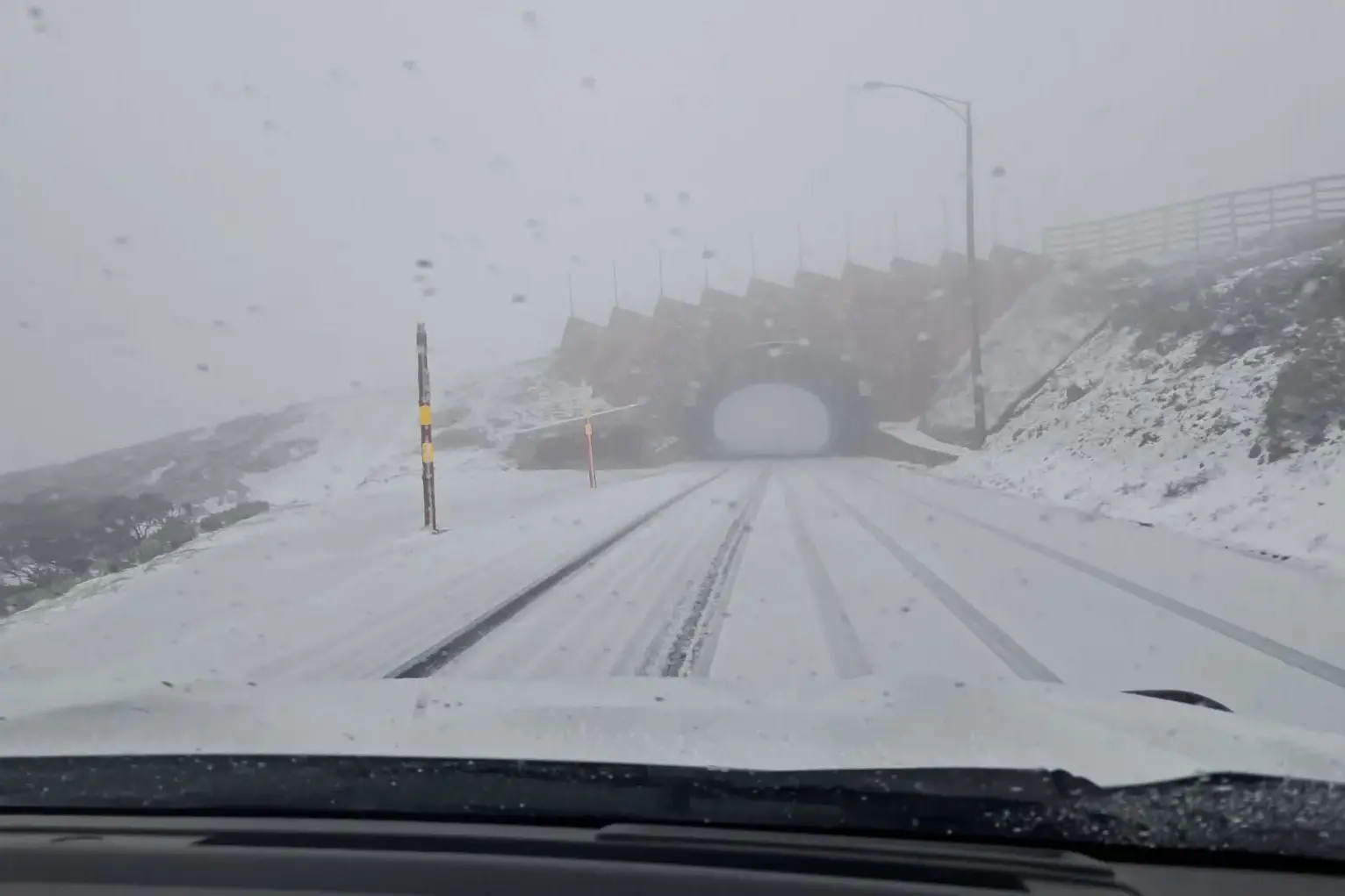
November completed a drier than average spring in Wangaratta and wider North East of Victoria. Wangaratta only recorded 121mms of rainfall from August to November, which is the driest for this period since 89.4mms in 2019. The city only had 36.4mms during November, with the mean maximum temperature of 24.7 degrees about one degree below normal, and the mean minimum temperature of 9.1 degrees close to normal. The highest temperature was 32.4 degrees on 2 November while the lowest temperature of minus 1.3 was a record low for November. At Rutherglen for November the mean maximum temperature was 25.5 degrees and mean minimum temperature was 8.7 degrees. The highest temperature was 33.3 degrees on 2 November while the lowest temperature was minus 2.1 degrees on 12 November. November saw five frosts at Rutherglen but only two at Wangaratta. Rutherglen's rainfall was well above average for November as a result of an isolated thunderstorm which delivered 64.8mms on Friday evening 21 November and 69.8mms to Falls Creek - the heaviest daily rainfall for November since 1998 at both places. Wind gusts at Fall Creek reached 98kph, the strongest in November since 2013. Melbourne had its wettest November since 1992, with 126.4mms of rainfall last month. This make things rather interesting as the three summer months of 1992-93 were all wetter and warmer than usual in Victoria with maximum temperatures topping 40 degrees by mid January 1993 and again during the first week of February. The heaviest rains were in late December, the fourth week of January and third week of February. Melbourne had its lowest barometric pressures for November since 1952 . However, during 1992 over all of Victoria it was decisively wetter than average from August to November. Melbourne started summer last week with its coldest December day since 1987. Alpine resorts also had a heavy snow cover.