PHOTO
74130.0
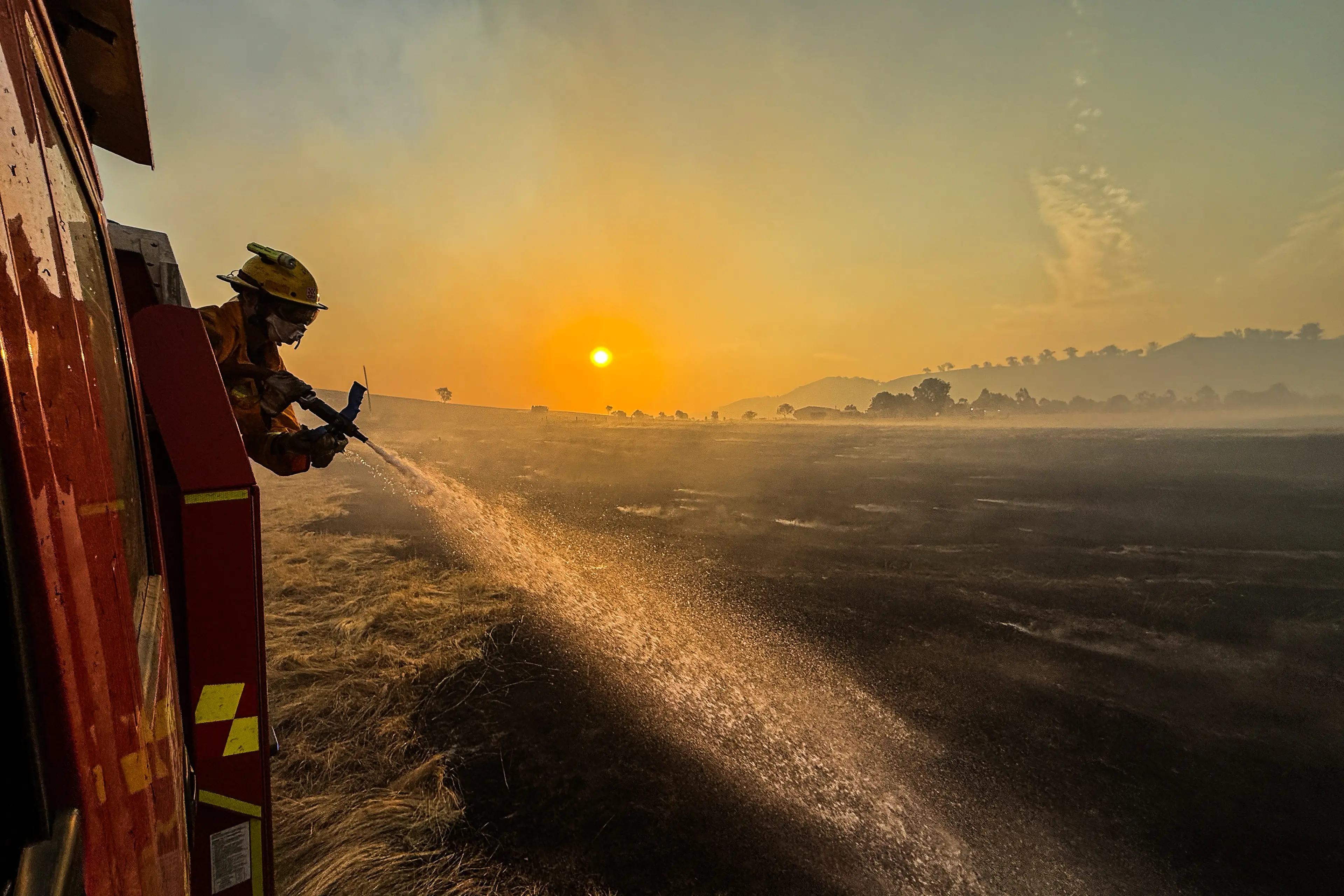
Local CFA leaders say a sweeping parliamentary report into the 2026 bushfire season must trigger real reform, warning that bureaucratic obstacles and severe command staff shortages have been overlooked for too long.
The final report from the Environment and Planning Committee delivers 80 recommendations aimed at rebuilding frontline capacity after disastrous blazes damaged or destroyed more than 1500 structures statewide earlier this year.
The committee examined the impacts of the 2026 summer bushfires through public hearings across regional Victoria, which included a visit to Alexandra and an online hearing for communities in the North East.
It also received 480 submissions.
Wangaratta CFA Group Officer Lachie Gales gave submissions at the Alexandra inquiry hearing and said the report reflected many operational concerns raised by local volunteers.
"It's been a really worthwhile exercise for communities to feel like they are being heard," Mr Gales said.
"To have a voice that actually translates into recommendations, that’s the kind of democracy we all want... but we can't expect different results unless we go to the root of the problem.
“While the report addresses many operational consequences, it stops short of examining the organisational arrangements that CFA says are preventing it from building and sustaining its own operational leadership capability.”
Data in the report revealed a 26 per cent decline in CFA operational volunteers over the past decade.
While community interest in joining remains, Mr Gales said administrative delays, complex induction procedures, and limited access to field leadership training continue to hamper volunteer progression into leadership and Incident Control Centre roles.
"Our district suffers from shortages of good and experienced staff, it's a symptom of what the fire services reform is," he said.
“We do not have a full complement of volunteers; it's a chronic issue of staff shortages.”
Under the current secondment model, the CFA cannot directly employ or develop its own middle management, instead, these roles are employed by Fire Rescue Victoria (FRV) and seconded to the CFA.
In District 22 and District 2 (where the major Harcourt fire ignited), critical commander vacancies exceeded 50 percent, forcing local volunteers to manage escalating blazes with severely restricted command support when the January fires broke out.
The committee recommended streamlining secondment protocols between the agencies, reducing bureaucratic overlap, and introducing flexible, modular training options that can be completed locally.
Mr Gales said the state government needed to invest in the development of the CFA and its volunteers.
"Unless the government ensures volunteers feel valuable, it's inevitable volunteerism will suffer," he said.
Other recommendations focus on strengthening Victoria's emergency preparedness and operational capability, developing a funded volunteer recruitment and retention strategy and fast-tracking the upgrades to the CFA fleet, which included a five-year rollout of 650 outdated single-cab tankers.
Mr Gales said many District 23 single cab tankers were past their use by date and a five-year rollout would be optimistic, considering current government policies which state CFA vehicles must be made in the state.
"The reality is we don't have a manufacturer to produce this outcome; the government hasn't created an outcome where industry can invest this because there's yearly ad hoc CFA funding," he said.
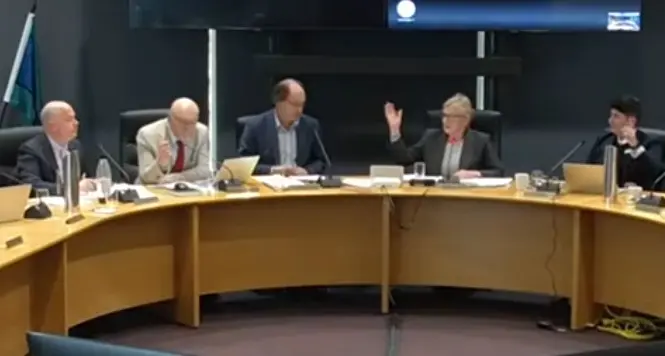
The inquiry committee chair Michael Galea said evidence heard across various submissions showed that failures in telecommunications and power networks significantly affected firefighting operations and residents' access to emergency information.
"The resilience of critical infrastructure, particularly telecommunications networks, was a recurring theme throughout this inquiry," he said.
"Communities, firefighters and emergency services rely heavily on power and communications systems during emergencies.
“When those systems fail, the impacts are felt across every aspect of emergency response and community safety.”
To strengthen network resilience, the committee recommended that the Victorian government advocate to the Commonwealth to implement mandatory resilience standards for mobile phone towers, which should include minimum backup capacity for 48 hours in the event of a power outage.
The report further recommends that the Inspector-General for Emergency Management consider ways in which local knowledge can be better incorporated into the critical work of incident control centres, reflecting recurring views expressed to the committee.
It also found despite the catastrophic conditions and enormous scale of the fires, strong preparation and the tireless work of responders limited fatalities.
Mr Gales said the parliamentary inquiry must be the beginning of the next stage of reform, not the end.
“The conversation should now move from what needs improving to why those problems exist,” he said.
"Here's the opportunity to listen to what we are saying on the ground and make some positive change."
The Victorian government now has six months to respond to the report.