PHOTO
65362.0
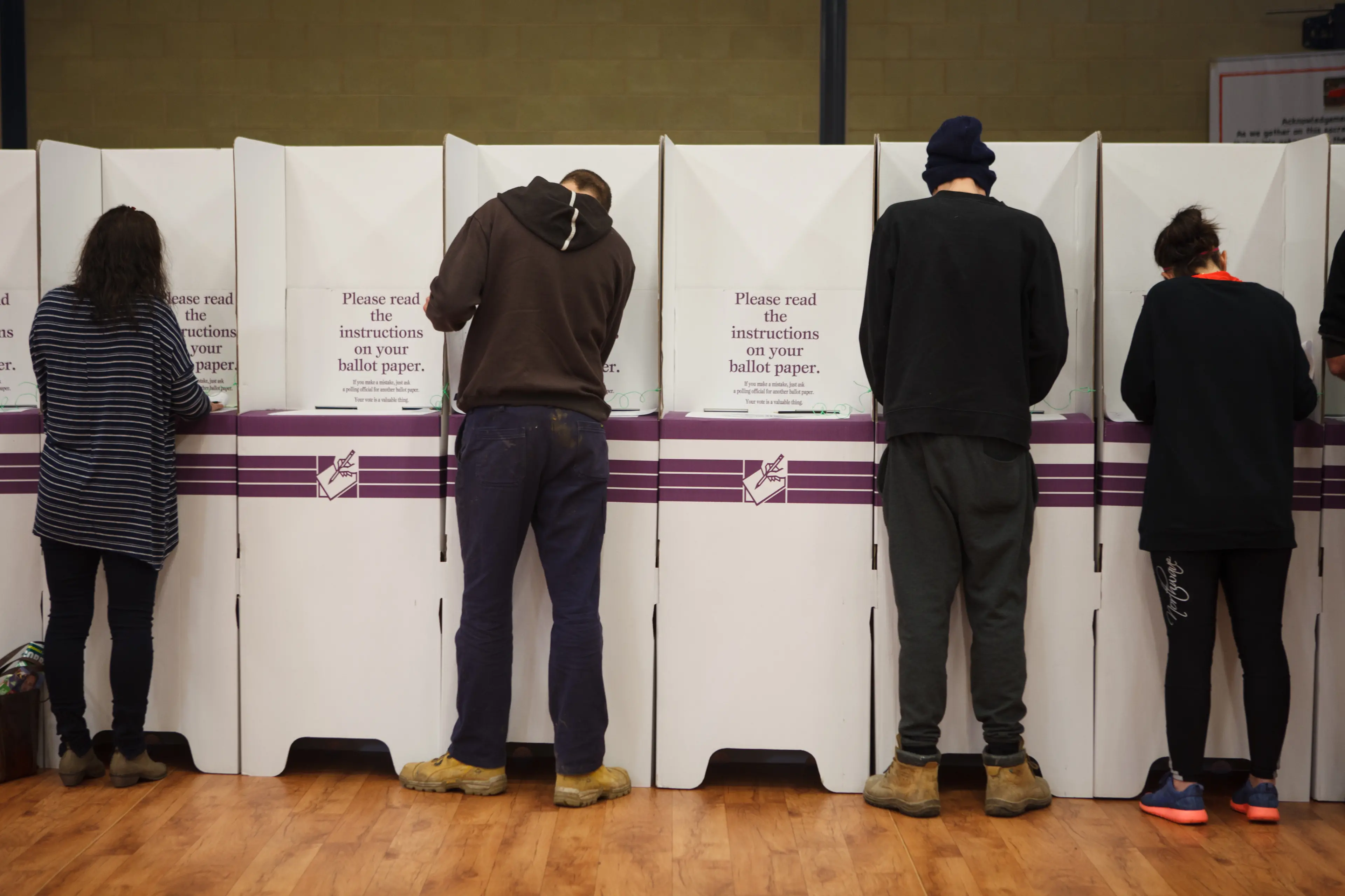
Low-sensory voting centres will be instated in all electorates at the next state election, according to the Victorian Electoral Commission.
It comes in response to the findings of the Electoral Matters Committee inquiry into voting centre accessibility, which indicated certain environmental factors can infringe on the right to vote without discrimination.
The inquiry identified noise, bright lighting, crowding and intense interactions with campaigners as stress factors in some people, particularly those who are neurodivergent.
The low-sensory voting model would also support people with other disabilities and/or people of other demographics.
Submissions from various organisations said the model could support people living with dementia, blind and vision-impaired people, and those who are deaf and hard of hearing, just to name a few.
The VEC said the initiative was developed directly in response to requests from the disability and neurodivergent communities.
“Low-sensory voting is something that we can trace very, very directly back to what our reference groups have asked us to do,” electoral commissioner Sven Bluemmel said.
“There’s a really direct through line there, it’s not just us doing what we want, it’s the community telling us, ‘This is what we want’, and then us doing it.”
Low-sensory voting was trialled and well-received by those who used it at the Warrandyte by-election in 2023.
An early voting centre provided a low-sensory period for voters who might find the sensory experience of voting centres overstimulating.
Since then, other by-election polling centres have trialled the model.
The VEC said the locations and opening hours of low-sensory voting centres will be announced closer to the election.