PHOTO
71299.0
Moving house is stressful enough without having to save thousands for a second bond, from 1 July renters won’t have to fear the dreaded double bond.
The state government’s Portable Rental Bond Scheme will enable Victorian renters to move their existing bond to a new property, meaning renters aren’t out of pocket while waiting for a refund.
From 1 July, renters can apply to transfer their bonds online through the residential tenancies bonds system.
While local support services have welcomed the portable bond scheme as a step toward easing pressure on renters, real estate agents say more detail is needed to ensure rental providers are not left exposed.
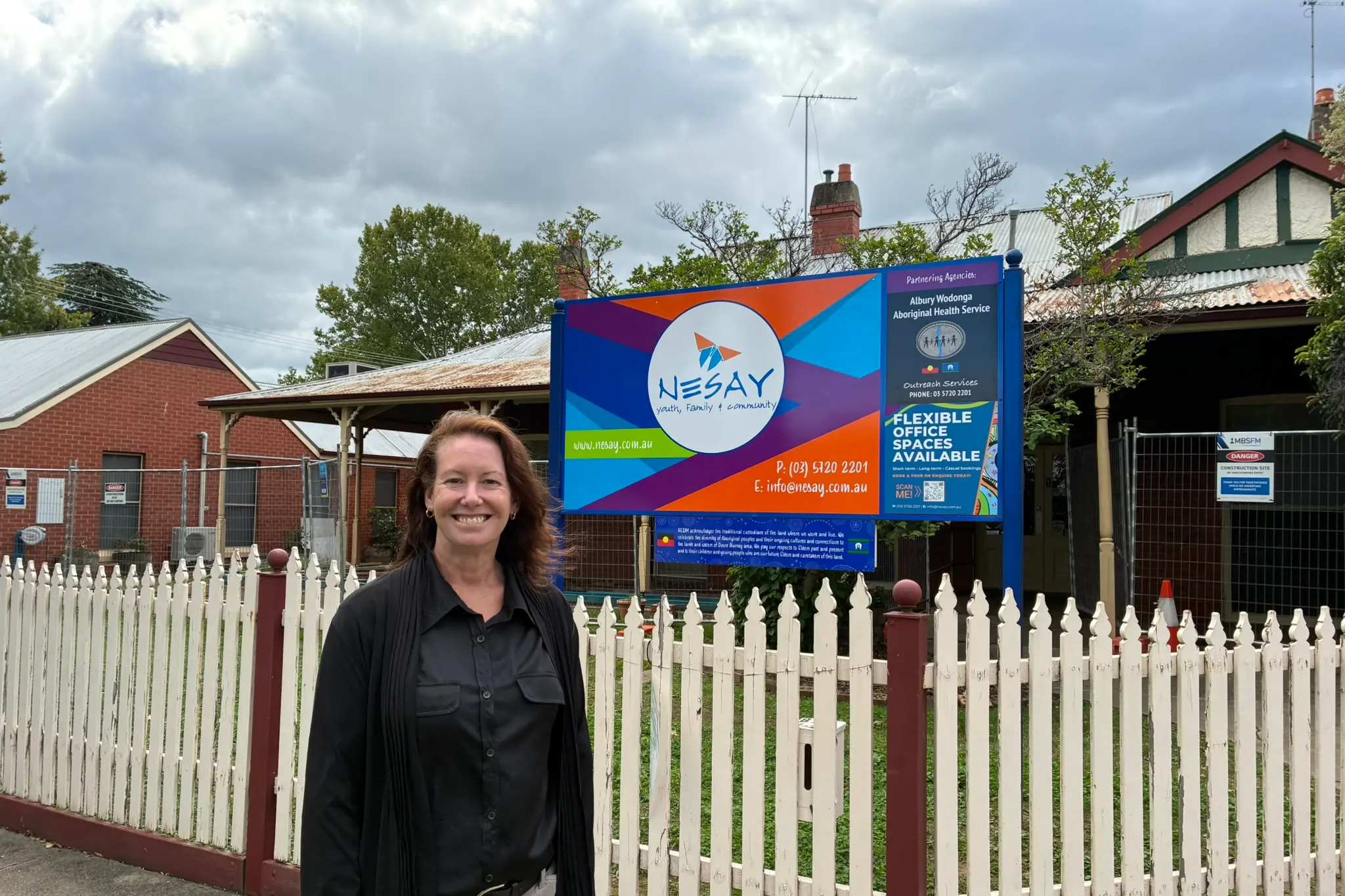
North East Support and Action for Youth (NESAY) welcomed all changes that provides more secure and stable housing options for all of local community members.
NESAY transitional services manager Claire Anderson said this initiative is a great step in promoting the rights of renters, particularly young people, who may have limited access to the thousands of dollars it can take to move home.
“This change may provide young people who are learning how to successfully negotiate the rental market with a sense of choice and empowerment regarding their housing options,” she said.
“The pressure of having to save bond and rent in advance can create a barrier for young people, who may continue to live in home that aren’t meeting their housing needs.
“It could lessen overcrowding issues, or people living in unaffordable rental accommodation.
"Being able to have bond amounts moved between rental properties will provide more flexibility to live in a home that suits their current circumstances.”
While the portable bond scheme could remove a major barrier for renters seeking suitable housing, property managers have raised concerns about safeguards, claims processes and administrative impacts.
Garry Nash & Co senior property manager Michelle Winch said the scheme has the potential to ease some of the financial pressure renters face when moving, particularly where they are required to pay a new bond before receiving the refund of their previous bond, but more detail is needed.
“For many households, this could improve mobility within the rental market and reduce some of the upfront costs associated with relocating,” she said.
“From a property management and rental provider perspective, however, there are still a number of practical details that require clarification before the full impact of the scheme can be assessed.
“At this stage, there has been limited guidance provided by the government regarding how the scheme will operate in practice, leaving property managers and rental providers uncertain about how it will be administered and managed on a day-to-day basis.”
Ms Winch said bonds provide an important safeguard for rental providers against unpaid rent, damage and cleaning costs at the conclusion of a tenancy.
“There is currently little information available about how bond funds will be accessed when legitimate claims arise, particularly where a renter has transferred their bond to another property under the portable scheme,” she said.
“It remains unclear how quickly funds will be available, what processes will apply to claims, and whether there may be any delays or additional administrative requirements for rental providers seeking compensation for damages or outstanding costs.
“Property managers generally support initiatives that assist renters to access housing more easily, provided there is an appropriate balance that maintains confidence for rental providers and does not create unintended administrative burdens or additional financial exposure.
“As more information becomes available, the industry will be better placed to understand how the scheme will operate in practice and whether it successfully achieves its intended outcomes for both renters and rental providers.”
This scheme is the latest of more than 150 renters' reforms Labor has delivered.
The reforms include banning rental bidding and no-fault evictions, minimum rental standards and standard application forms.
From October, rental providers will also be required to provide evidence before making any claim on a bond.
NESAY also provides the Sustaining Tenancies at Risk (STAR) program, alongside Beyond Housing, which is an early intervention program, aimed at all community members living in private rental, which may be at risk, due to rental arrears or other issues, please contact NESAY for more information.