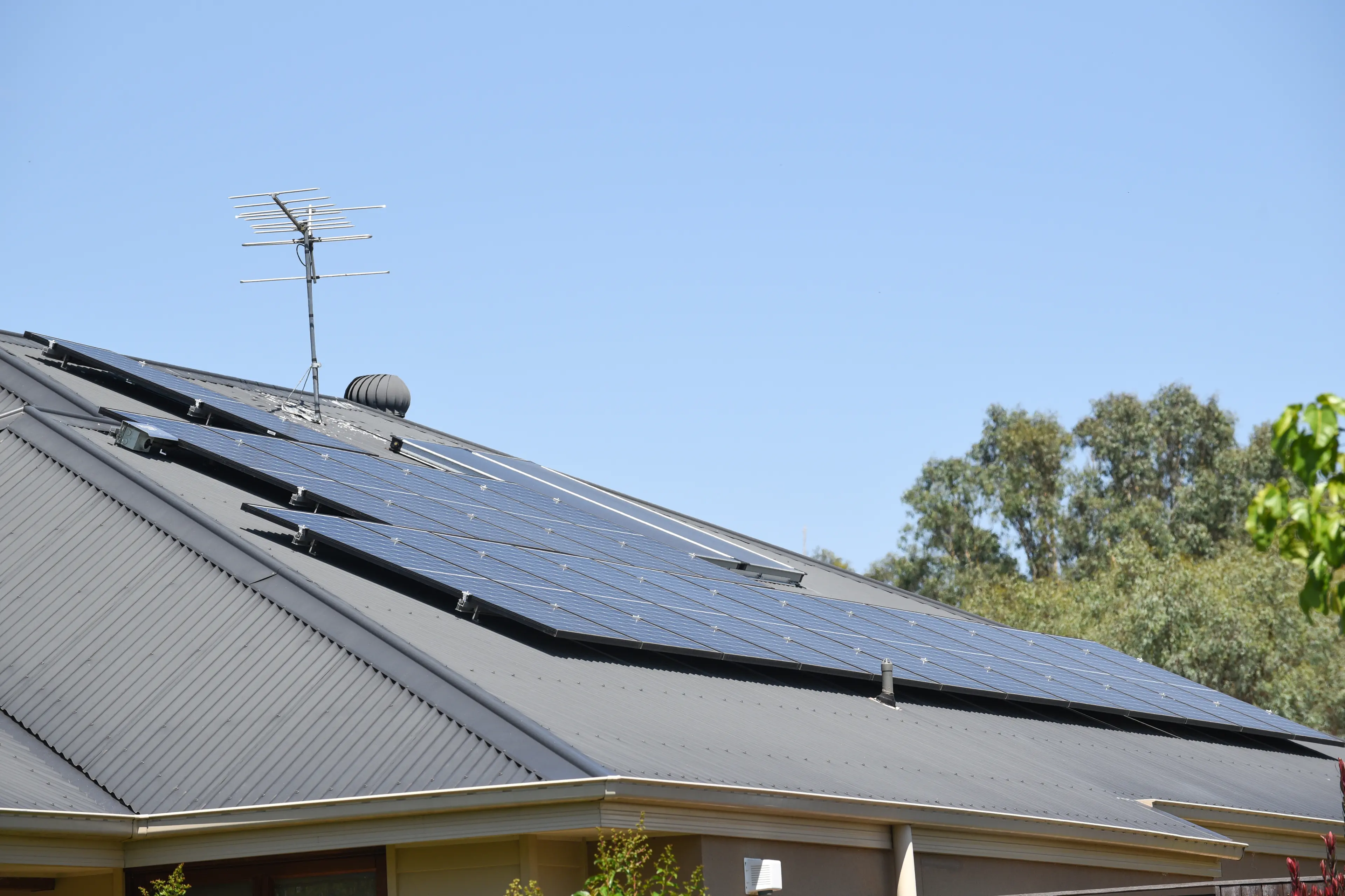
Local farmers, wineries, and commercial manufacturers across North East Victoria stand to cut up to 20 per cent off the cost of large rooftop solar installations under a federal rebate expansion - though state Nationals leader Danny O'Brien warns it will do little to stop transmission lines crossing productive farmland. Under changes to the federal Small-scale Renewable Energy Scheme (SRES) kicking in from 1 October, the cap for commercial solar rebates will jump from 100kW to 1MW. The move targets medium-to-large energy users, opening up substantial savings for regional packing sheds, cool stores, logistics centers, and agricultural operations previously locked out of government incentives. Minister for Climate Change and Energy Chris Bowen said the expansion would help businesses and communities realise the same benefits from solar that millions of Australian households already are. “One in three Australian homes have rooftop solar, but larger energy users have been locked out,” he said. “This will help manufacturers, farmers, retailers, logistics centres, schools, hospitals and community organisations reduce energy costs – and it uses an existing, proven scheme meaning no new bureaucracy or red tape. “More rooftop solar means lower energy costs, a stronger economy and faster progress towards an energy system powered by Australian renewable energy.” Following a recent tour of the Ovens Valley alongside local MP Tim McCurdy, Victorian Nationals Leader Danny O’Brien championed the Coalition’s promise to pause transmission line projects in rural areas. Under the plan, the state Coalition would establish urban solar parks in metropolitan areas, with solar and battery installations on commercial and industrial rooftops. Mr O’Brien said the federal government announcement was not a substitute for what the state government still hasn’t fixed. “Farmers can get a bigger rebate to put panels on their own shed roof, which is a positive, but does nothing to stop transmission lines and renewable projects being imposed on productive farmland without proper consultation," he said. “We want to see large-scale solar generation built on warehouse and factory rooftops in Melbourne, where the power is actually needed, instead of forcing regional communities to host the infrastructure for it. "If the state and federal governments are both serious about rooftop solar, the next step is making sure regional Victorians aren't the ones paying the price through compulsory land acquisition and REZ declarations they had no say in." The expanded federal government SRES is expected to commence from 1 October 2026, subject to the necessary regulations being in place.