PHOTO
71314.0
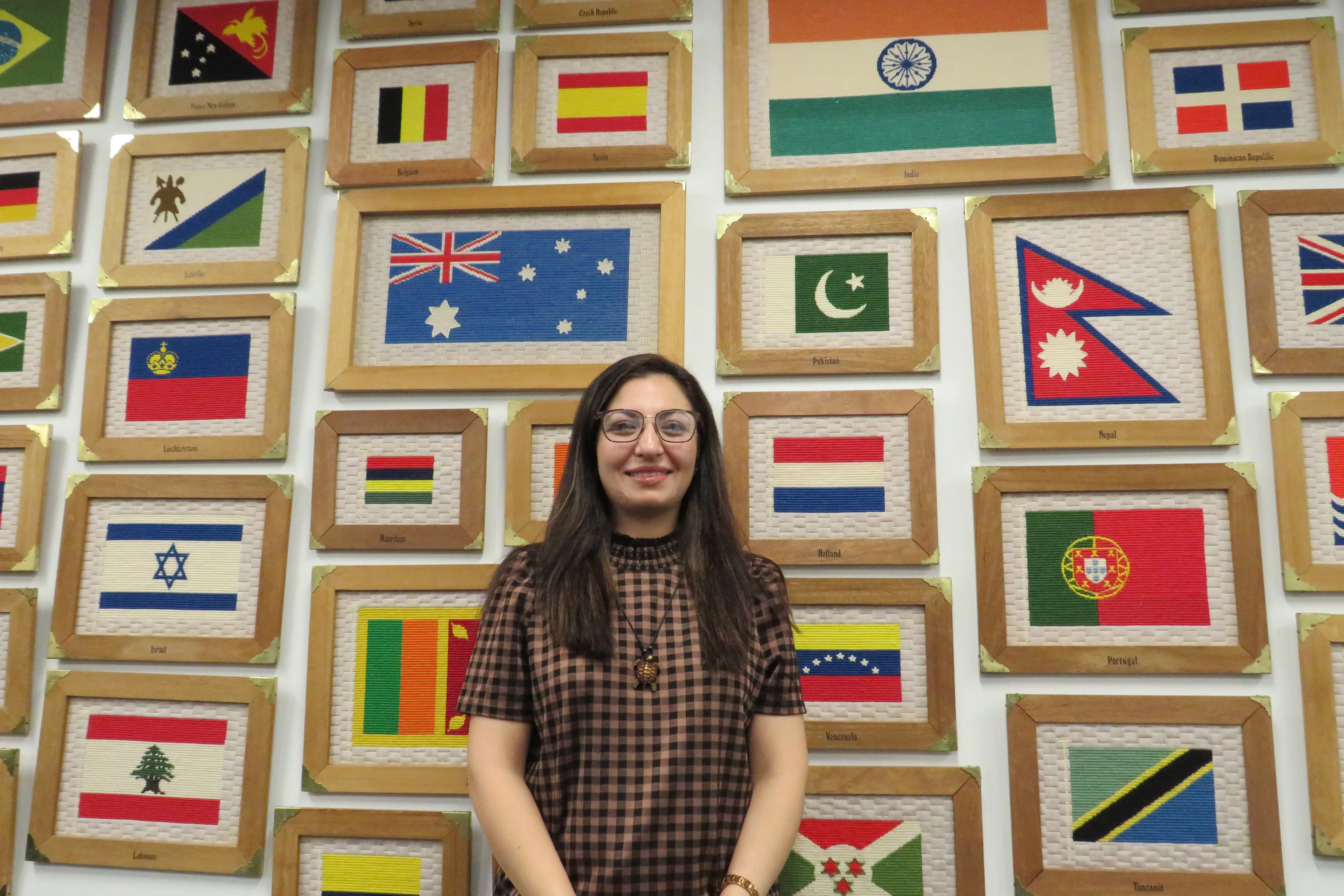
For Faryal Nawaz Khan, regular cultural dinners held in Wangaratta capture the essence of multiculturalism.
Funded by the Wangaratta Grit and Resilience Program and conducted by Pangerang Community Hub and the North East Multicultural Association (NEMA), the monthly dinners bring together people from a diverse range of backgrounds.
Faryal, NEMA's manager community engagement and programs, said the well-attended events spoke volumes about the positive impact of sharing cultures, traditions and values in a space as welcoming as the dinner table.
She brought the flavours of her native Pakistan to the most recent gathering, and reflected as the large dining group ate together about the harmonious feeling the evening created.
It's a community feature Faryal hopes will continue, but which she fears could be lost if the current political debate about immigration and a multicultural versus 'monocultural' society were to have a lasting impact.
"(The debate) has been very uncomfortable and is a huge challenge for the migrant community," she said.
"People are unsure about the future, especially if they are students and wondering whether their goals are still achievable or not; it is creating doubt, and throws up a lot of questions.
"Migrants and refugees have already left their own country, and for some, this is trauma on top of trauma, and will have a negative impact."
Faryal said she felt that concern about immigration and the melding of different cultures, expressed by One Nation leader Pauline Hanson during her recent National Press Club address, often came from a lack of understanding.
"North East Victoria is stronger because of diversity; migrants and refugees bring valuable skills, experiences and perspectives that enrich our communities socially, culturally and economically," she said.
"Many migrants and refugees arrive after facing significant challenges, including displacement, conflict, trauma and separation from family.
"Their ability to rebuild their lives shows remarkable strength and determination."
Faryal has lived experience of the difficulties often faced by migrants and refugees, so has found she is well-placed to assist them as they find their place in the region.
She said she felt "cultural environment shock" when she moved from Pakistan to Wangaratta to join her husband, who was working as a mechanical design engineer at Burder Industries.
"We stayed in a motel for two months as we tried to secure a rental, and I cried every day for three years; it was so challenging for me," she said.
"Having gone through these issues, I understand people moving from other countries and what challenges they can face, especially the language barrier, settling in and starting a family, and even driving lessons.
"I moved here in 2013, but those challenges are all still there."
Faryal said migrants and refugees who settled in the region contributed through employment, entrepreneurship, farming, healthcare, education, hospitality and small businesses, helping to strengthen local economies and often addressing workforce shortages.
"They actively participate in community events, volunteer programs, schools and local organisations, helping to create stronger and more connected communities," she said.
"Food, language, art, music and cultural traditions shared by migrant and refugee communities create opportunities for learning, understanding and celebration of diversity.
"It is important to move beyond seeing migrants and refugees only through the lens of hardship. Their stories are also about leadership, success, innovation and contribution."
Faryal said settlement support, language programs, education and community spaces, such as those offered through NEMA, helped newcomers feel welcome.
She said when people felt safe, welcomed and included, they were more likely to contribute confidently and meaningfully to society.
"Many refugees who were once supported by the community later become volunteers, advocates, mentors and leaders, helping others settle and succeed," she said.
"Successful settlement benefits everyone. Inclusive communities create opportunities not just for migrants and refugees, but for the entire region."
Faryal encouraged multicultural communities to keep contributing, and to be proud of their identity.
"To the broader community, I encourage people to reflect on the many positive contributions migrants bring, and to continue fostering understanding, respect, and inclusion," she said.