PHOTO
74061.0
Political parties will no longer be able to make "backroom deals" on how they will direct their preferences to flow through group voting tickets at a Victorian state election under changes introduced into the Victorian Parliament this week.
In the past candidates have been able to win Upper House seats through deals made rather than direct support from voters.
However the Electoral Amendment (Miscellaneous Matters) Bill 2026, introduced this week, aims to abolish group voting tickets.
This will end "preference whispering", where parties strike complex preference deals that can see candidates elected with only a small share of the primary vote.
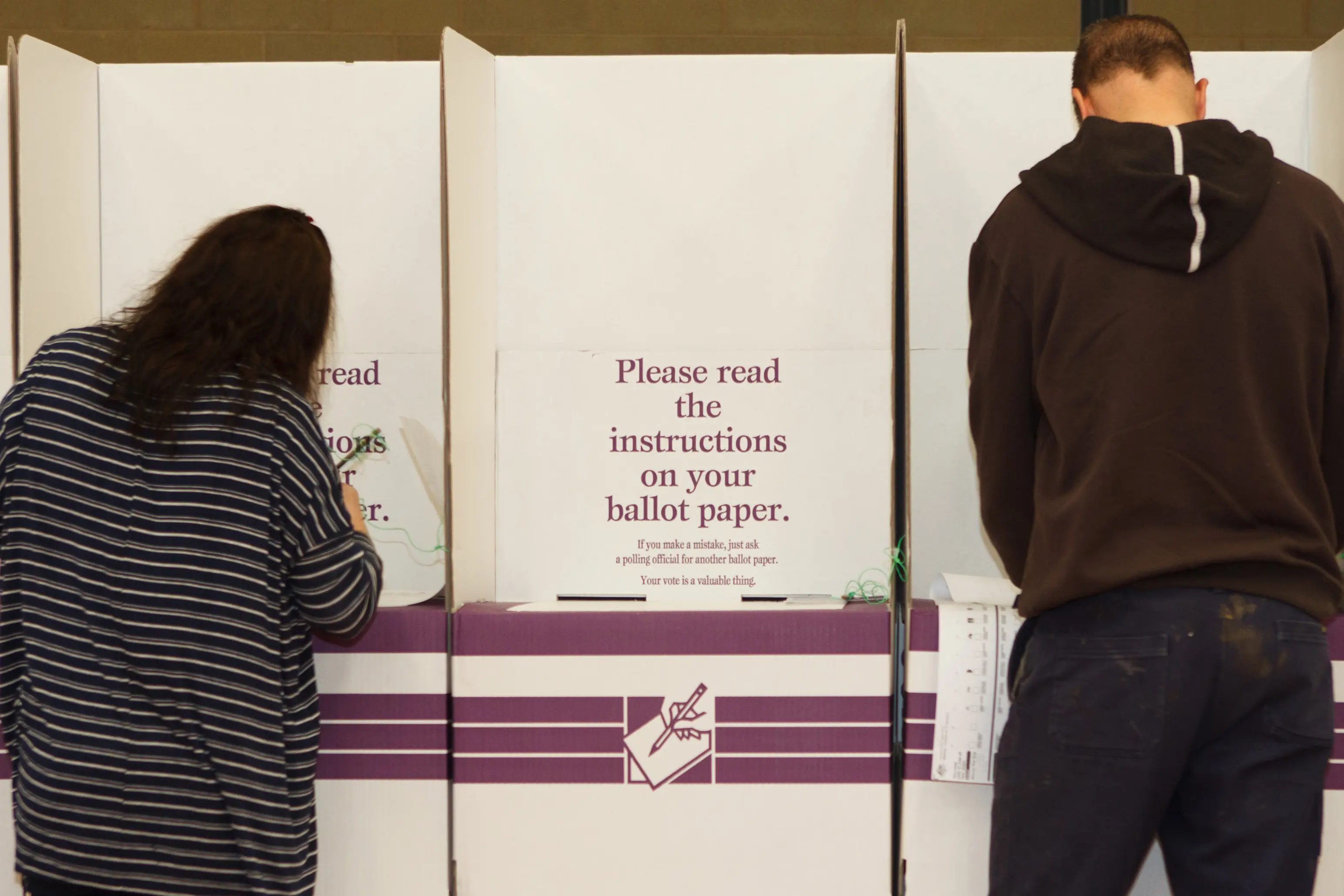
A new above-the-line voting system will require voters to number at least five groups in order of preference.
Those preferences will then flow to candidates in the order they appear below the line for each party or group.
According to the Labor state government this will put voters in control of their preferences, making our elections fairer and more transparent.
This change will also bring Victoria into line with other states.
The reforms will also require the Victorian Electoral Commission to publish information about new political parties – because a party’s name does not always tell voters who is behind it or where their preferences may flow.
The information will be publicly available so Victorians can make more informed decisions.
Premier Ben Carroll said fair elections were the bedrock of democracy, and the Labor government was delivering these reforms to ensure Victorians can be confident in their electoral processes.
“Victorians shouldn’t wake up after an election wondering how someone with only a handful of votes ended up in parliament,” he said.One Nation MP for Northern Victoria Rikkie-Lee Tyrell supported the government's amendment.
“I fully support the abolishing of group voting tickets," Ms Tyrell said.
“The current system rips off voters by sending their vote to a party they did not vote for.
“Removing group voting tickets delivers transparency of preferences and gives voters comfort that their vote is going where it is intended.”