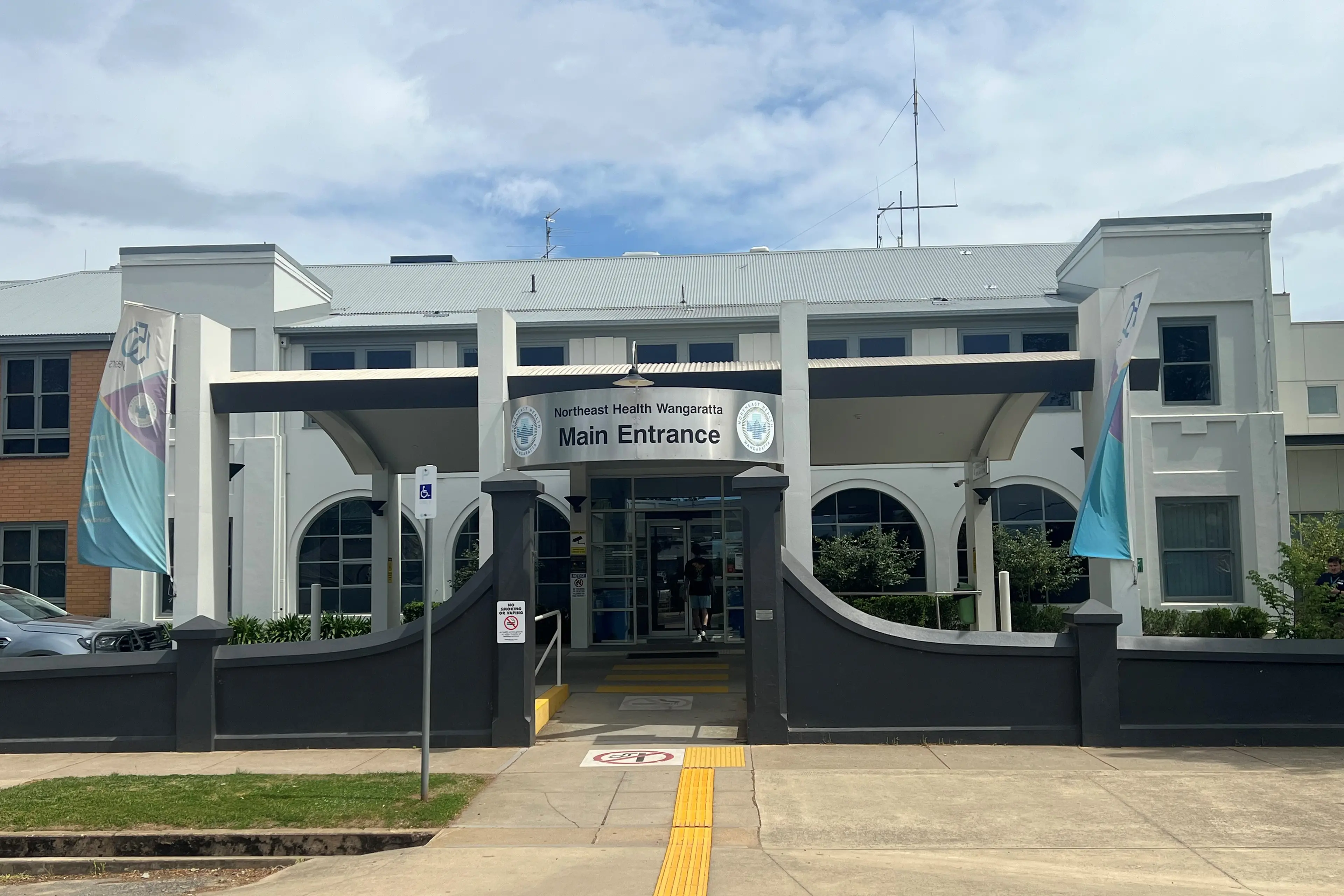
Allied health staff at Northeast Health Wangaratta (NHW) will undertake 24 hours of strike action on Tuesday 11 August as they continue to demand a 36.18 per cent wage increase. Professionals in fields such as physiotherapy, social work, radiography and pathology say their wages have fallen behind other professions such as nurses and paramedics. Chris Parsons, a Wangaratta-based radiographer and clinical educator, said while strikes like these were uncommon in regional areas, they are pertinent to local staff and the people they serve. “It’s time for the government to step up and make sure we’re supported,” Mr Parsons said. “We’re really proud to represent our community and really proud of the care we’re able to provide. "We can make our care better by strengthening our workforces.” For a graduate radiographer the current hourly rate is almost $10 higher in NSW than it is in Victoria. “This is particularly important for people in Wangaratta," he said. "It’s not difficult for staff to go to NSW for these higher rates of pay. "It’s a matter of retention as well." Mr Parsons acknowledged the current debt crisis in Victoria, and that other professions are taking similar actions. In terms of allied health, he believes they must be prioritised for the care they provide. “This is a bare essential public service," Mr Parsons said. "You shouldn’t be picking from essential healthcare to fund other things.” Doctors in public hospitals around the state will also strike from 12:30pm until 4pm on Thursday 13 August. Medical Scientists Association of Victoria (MSAV) also went on strike on Tuesday 6 August. NHW executive director of people and corporate operations, Kim Bennetts, said the hospital has made efforts to plan around the proposed industrial action. “There is a range of exemptions to ensure critical services are maintained throughout the stoppages of work," Ms Bennetts. “Strategies are in place to minimise the patient impact of the stop work action through the utilisation of allied health professionals not participating in the stop work action and if this is not possible, rescheduling of non-urgent appointments in affected areas. “Any patient affected by the stoppages of work will be contacted directly by a team member of NHW. “We continue to monitor the impact of protected industrial action on service delivery, including waiting periods for appointments. “At this stage, mitigation strategies have meant that there has not been an increase in wait times for appointments across our services. “The protected industrial action extends on other actions being undertaken in relation to the current bargaining of the new Allied Health Professional Enterprise Agreement. “NHW recognises the key roles and functions allied health professionals take in providing holistic care to our community.”