PHOTO
74230.0
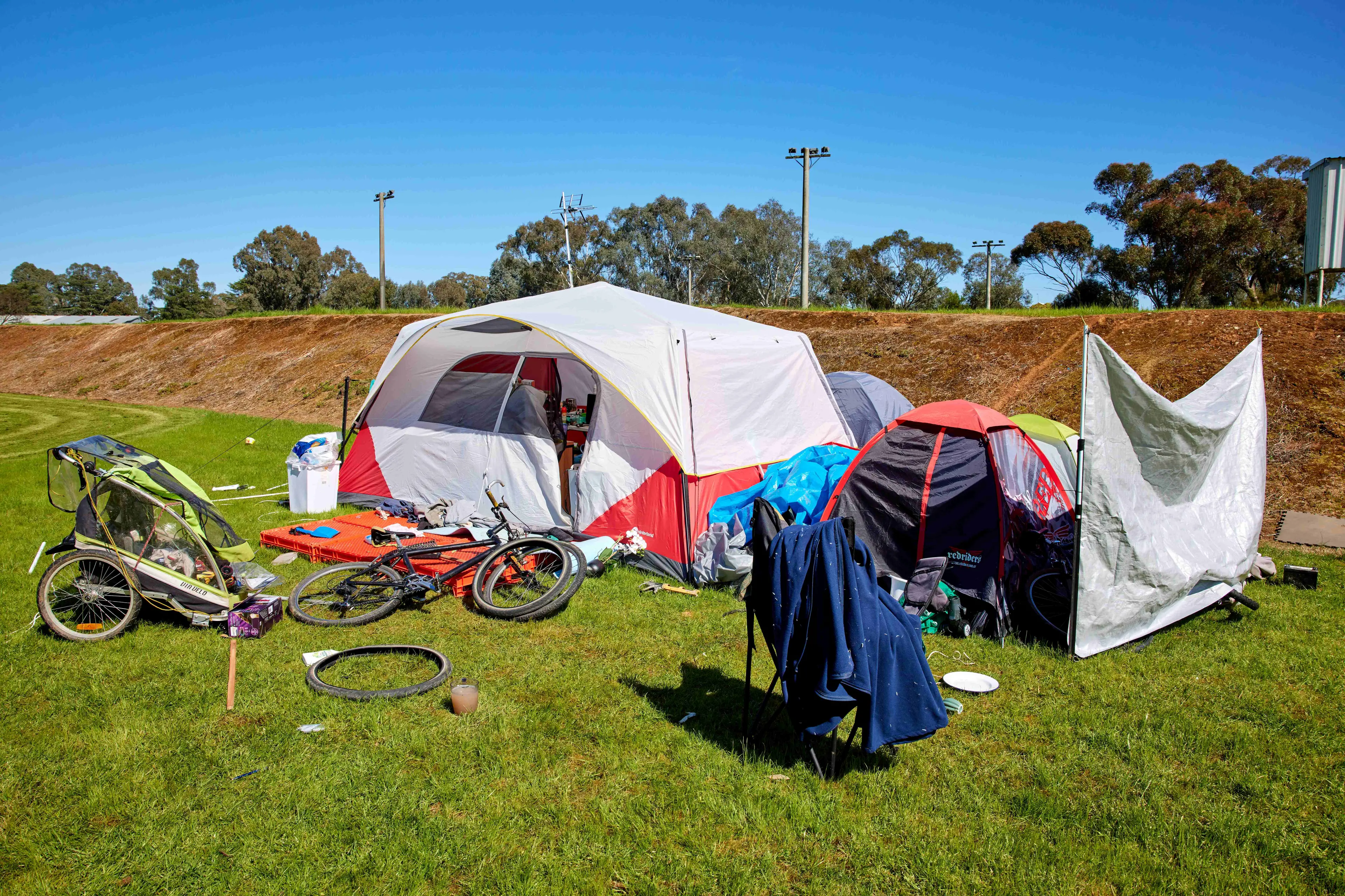
Wangaratta support services say homelessness is becoming more visible and more complex as local housing costs rise and affordable options remain scarce.
As Homelessness Week runs from 3 to 9 August under the theme Homelessness Action Now, agencies across the rural city have used the campaign to call for urgent investment in social and affordable housing, more support services and earlier intervention for people at risk.
Beyond Housing chief executive Celia Adams said the pressure was being felt strongly in Wangaratta, where the organisation supported 1200 people through its local office in the 2025-26 financial year.
Of those, 1013 people cited financial difficulties, housing affordability or housing crisis as their reason for seeking support, almost double the number who reported those issues the previous year.
“We’re seeing a growing number of people needing to access our supports in Wangaratta, and an increasing percentage of these people are citing financial difficulties and housing affordability as their reason for seeking help,” Ms Adams said.
She said private rentals were becoming unaffordable for many low-income earners because of a severe shortage of housing in the region.
The median price for a one-bedroom rental in Wangaratta was now about $400 a week, which Ms Adams said was almost half the average after-tax income of a full-time hospitality or retail worker and 70 per cent of what a single person received on the full retirement allowance.
“It’s therefore alarming but unsurprising that the amount of people aged over 55 that we support has increased from 12 to 18 per cent in the past two years,” she said.
Beyond Housing has built 29 social housing properties in Wangaratta over the past two years and expects to develop another 38 in the next two years.
But Ms Adams said the projects were only a small part of what was needed.
“These houses will be transformative for many individuals and families over their life span, but they are just a drop in the ocean of what is needed,” she said.
Ms Adams said more than 1000 people were on the Victorian Housing Register waiting for a social housing property in Wangaratta.
The 122 people supported by Beyond Housing in Wangaratta reported they were sleeping rough, although many more were likely to be staying in cars or couch surfing.
“Providing someone with secure accommodation is the first step, but we then also need to ensure we have supports in place for people who have struggled with housing insecurity and outreach services to be certain we are connecting with those who are sleeping rough,” she said.
The Salvation Army also said homelessness was rising across Wangaratta and surrounding areas.
Outreach Connections Program case manager Ingrid Newman said more resources, support services and housing options were needed across rural and regional areas to support people facing homelessness.
Salvation Army care finder Nicole Sullivan said Homelessness Week was key to raise awareness and advocate for solutions.
“Homelessness is often invisible to the broader community, and people sometimes feel uncomfortable disclosing their own experiences of homelessness to friends and family,” she said.
“However, it’s more common than people might think, and can happen to anyone."
NESAY transitional manager Claire Anderson said homelessness and housing insecurity should remain a major public issue because safe and secure housing was a fundamental human right.
“We shouldn’t be continuing to experience the current housing crisis, that impacts every level of society,” she said.
Ms Anderson said NESAY’s Seats with Shelter display was designed as a public visual demonstration of the number of young people experiencing homelessness locally.
She said NESAY worked with young people at risk of, or experiencing, homelessness in an “extremely resource poor environment”.
“Family violence is the leading cause of homelessness and many young people continue to live in unsafe environments as there are no other options,” she said.
“We also know that experiencing homelessness before the age of 16 is a strong predictor of adult homelessness.”
Ms Anderson said the response needed to include more housing options for young people, long-term support and early intervention with families at risk.
“We need increased housing options for young people in our local community, so young people can make safe choices and be supported to achieve their independence,” she said.
“We need to have long-term support options to allow young people the support they need to reach their full potential.
“We need early intervention with young people and their families who are at risk, so we can have healthy, supportive families who thrive in our community.”
Zac’s Place community worker and Wang Night Shelter project coordinator Di Duursma said people experiencing homelessness needed to be treated with dignity and be included in decisions.
“Solutions need to be multifaceted to address the complex causes of homelessness as well as meet the needs of those experiencing homelessness,” she said.
Ms Duursma said the growing sense of helplessness amongst the general public can be countered by stories of communities being part of the solution in creative and amazing ways.
“These are the local unsung heroes who make meals, share what they have, volunteer in local projects and continue to be part of the antidote for the compassion fatigue that sometimes plagues communities and individuals as we step into the cracks in our society so that people don’t continue to fall through them,” she said.
Ms Duursma said Wang Night Shelter had seen increasing need and a diverse set of circumstances leading people into homelessness.
The Community Housing Industry Association Victoria and Council to Homeless Persons have recommended 60,000 new social homes be built across Victoria over the next 10 to 15 years.
Ms Adams said substantial investment had been made in recent years to increase social housing, but thousands of people across the region still needed safe and affordable homes.
She said the response must also recognise that people experiencing homelessness often faced challenges including mental health issues, trauma and chronic illness.
“In addition to housing, there needs to be investment in supports to help people grow and thrive,” Ms Adams said.
But Ms Adams said people should never underestimate their ability to influence change.
"There’s a lot of seemingly small actions people can take that make a big difference,” she said.
For information about free community support services in Wangaratta, visit www.wangaratta.vic.gov.au/Community/Community-Support, or contact the Rural City of Wangaratta on phone 03 5722 0888 or email relief@wangaratta.vic.gov.au.