PHOTO
66192.0
By Roxanne Bodsworth
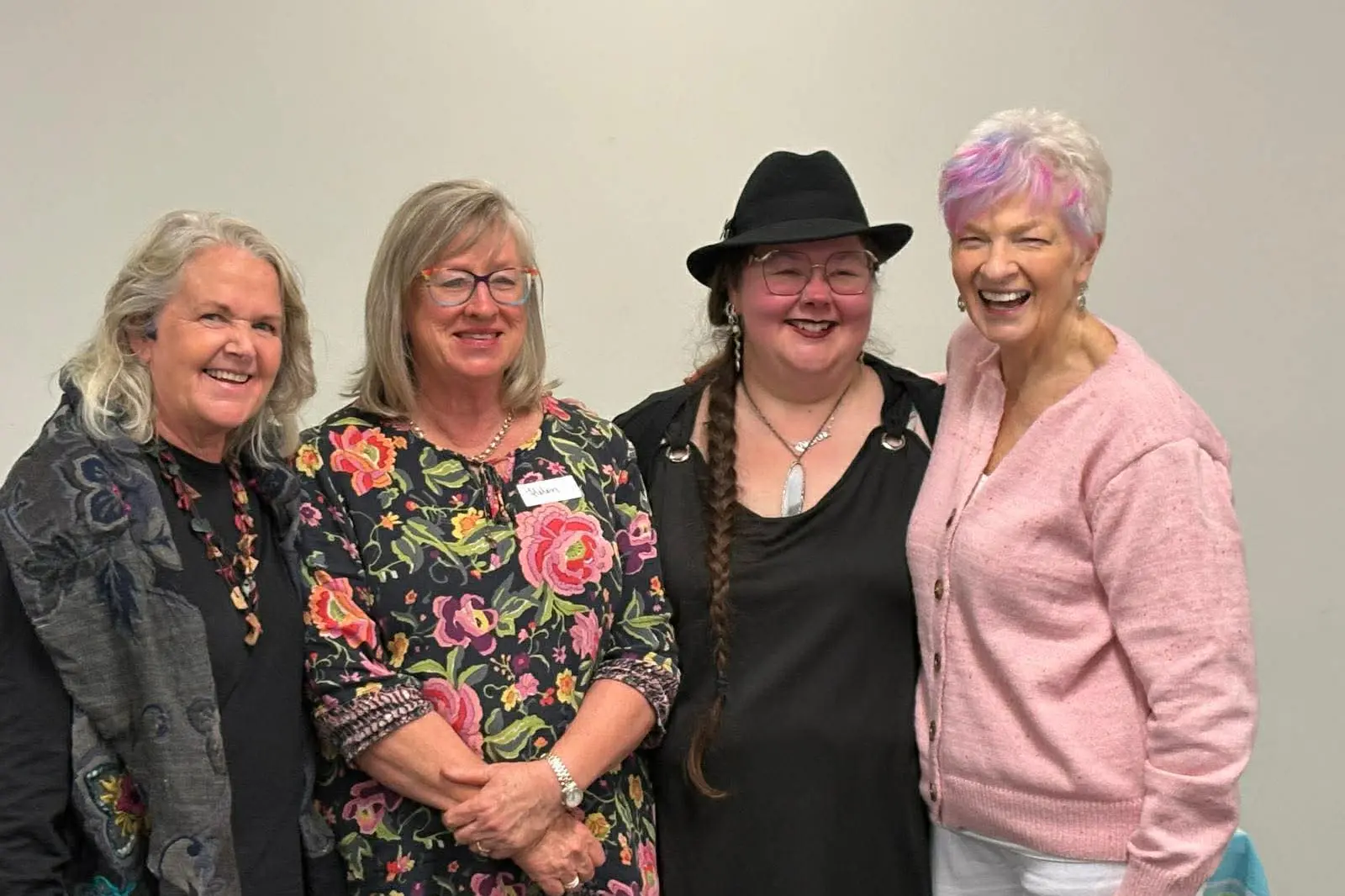
Eighteen people from across the North East gathered at the University of Melbourne's Teaching and Learning Centre at Northeast Health Wangaratta on the weekend for a workshop on building death literacy and raising awareness of options around death and dying.
Wangaratta was chosen as one of five rural and regional areas funded by the Wicking Foundation and sponsored by the Australian Home Funeral Alliance (AHFA) for a pilot program entitled ‘Showing Up for Older Australians’.
The weekend was led by Rebecca Lyons, whose advocacy for home-based death care earned her a Churchill Fellowship to travel overseas to study how death is addressed in different cultures and communities.
Ms Lyons has since founded the AHFA as the national peak body for home funeral practitioners and advocates, dedicated to the empowerment of families and communities through the provision of ethical and inclusive education, information and advocacy for home funerals and family-directed death care options in Australia.
This is the case whether the care of the deceased takes place in the home or is undertaken in partnership with a funeral director so that the family and community can be involved in the care of both the person who has died and supporting the bereaved.
Ms Lyons emphasised that the body belongs to the family and not to the hospital or the funeral director, and it is important to reimagine how death and bereavement can be experienced when control is returned to those who care for the one who has died.
She maintains that it is important for the processing of grief for families and communities to make decisions about what is happening to their loved one who has died, rather than control being outsourced to the funeral industry.
In keeping with her support for more choice around how death is managed in our communities, Ms Lyons is also the president of the Natural Death Awareness Network (NDAN), which advocates for Natural Earth Burial.
Currently, natural burial, which requires that a body be buried three to four feet down in the aerobic layer of earth to allow for natural decomposition, is not an option in Wangaratta.
However, one of the participants, Wangaratta councillor Dave Fuller, who also sits on the Wangaratta Cemetery Trust, said that it is part of the masterplan to include natural burial, depending on community interest, in the coming decade.
His personal perspective is that we should have options that explore more sustainable practices that still offer the same level of dignity and respect, and those interested in this conversation can email him at dave@thatguyupfront.com.au.
The weekend was organised by palliative care nurse and death doula Rose Sexton, hospice support worker Helen Sieker, and funeral celebrant Roxanne Bodsworth, who undertook training with Ms Lyons in 2024 as community activators for death literacy.
All three are members of the locally based Good2Go Project, which aims to foster open conversation around the topics of death, dying, grief and loss.
While there is a social taboo around talking about death, many difficult conversations were held over the weekend about caring for the dying at home, managing death care, and developing family-led rituals to forge a path through the experience of grief.
Topics covered included the way in which a person died, what happened to the body, how to manage keeping a deceased person at home, shrouding, burial and cremation options, which are more limited in Victoria than other states, transportation of a body, and making decisions about the funeral ceremony.
There was also considerable discussion about legal arrangements regarding Advanced Care Plans, making wills, and negotiating with medical decision-makers and executors to ensure that final wishes are carried out.
When asked what they had learned over the weekend, one of the participants, Judy Carr, summarised it well when she said, “It can be done differently.”
Those interested in contributing to this ongoing discussion and the development of more family-centred options for death-care can find details of death cafes and other upcoming activities at www.g2gproject.com.au.