PHOTO
The building sector is feeling the brunt of the fuel crisis with initial cost rises, previously absorbed by businesses, now being passed down the line to customers.
Every facet of the building supply chain has been affected with the cost of materials rising, transport costs to deliver to site climbing, and builders no longer able factor in the price hikes.
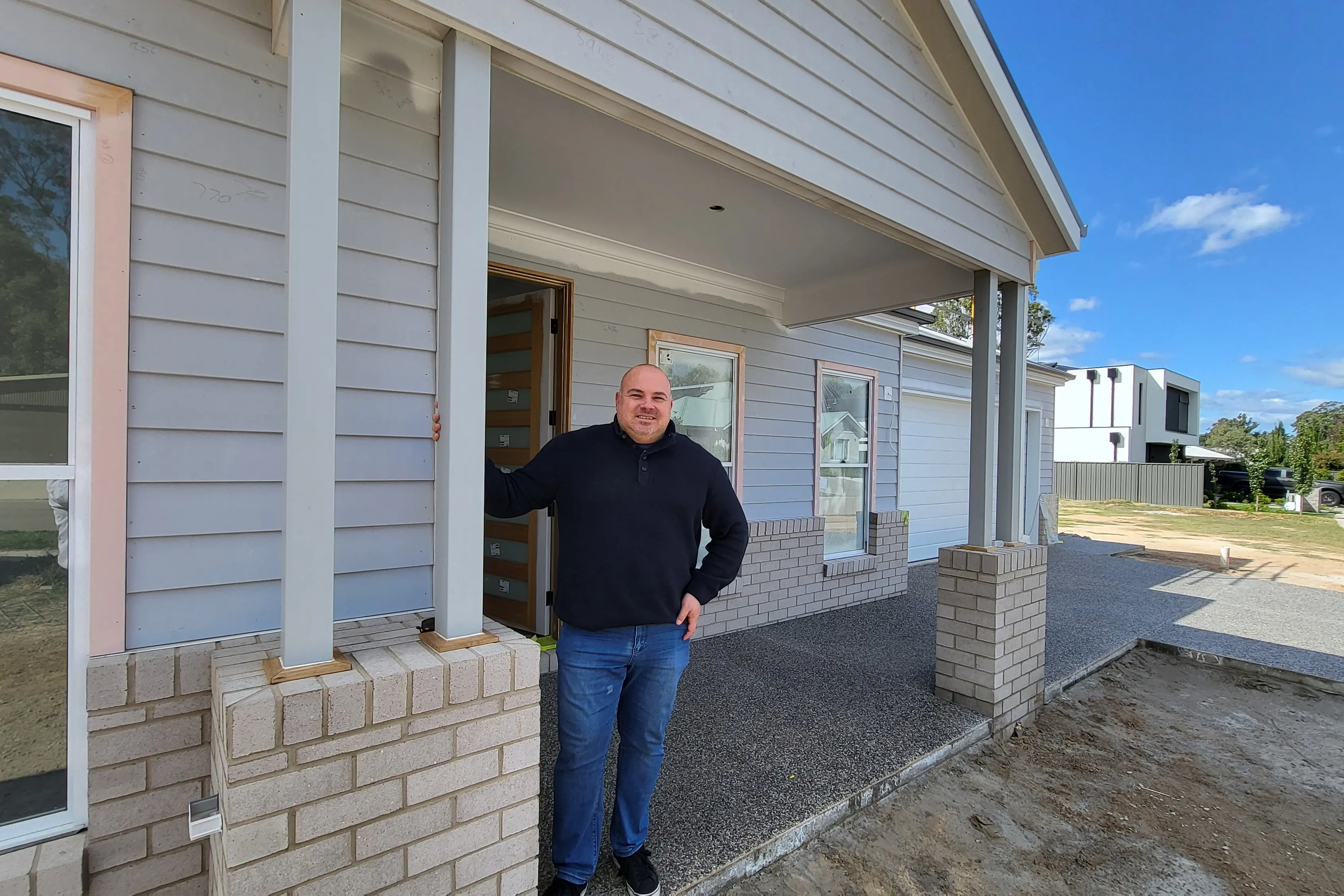
Afonso Building Solutions area manager Mario Antonello said every component of the build is affected, for example bricks that are delivered to Albury then need to be carted to Wangaratta or Yarrawonga.
He said there have been price rises due to low fuel supplies for concrete cartage, roof truss delivery and every aspect of the building industry has been affected.
"Prices have certainly risen over the last two months and they haven't been a gradual rise, they've been an instant impact rise," Mr Antonello said.
"For instance suppliers don't give you an indication that this will adjust in the next two months - it is 'these prices are effective now and it's due to what's happening in the Middle East'.
"I would think every builder in the region and every customer has been affected to some degree by a cost difference.
"A builder can probably absorb a small increase on one particular sector of the build but when it affects the whole broader scope you can't be taking a hit from multiple different suppliers for a home - you'd go backwards."
Once a building contract is executed, Mr Antonello said the wording is that they're a fixed contract but there are instances and there is certainly scope in the contract to factor in price rises in unforeseen circumstances that the builder cannot absorb.
"It can become sticky because you enter into a building contract with a customer with the best intentions possible and you get paid x amount and you deliver a beautiful home on the flipside of that," he said.
"There are circumstances out of the builder's control that escalate the price and these never really came into affect until covid.
"Suppliers are a little bit smarter than pre-covid and people want to lock prices in but they don't want to lock them in 100 per cent.
"We understand that and they are are no different to us - if their cost goes up then they shouldn't be expected to carry it either.
"A good thing about the building contract is really clear definition on what the builder has to do and what the customer has to do and what is excluded.
"It hits everybody differently regardless of what type of building company you're running, it's all to scale.
"If you have 25 employees and you're doing 25 homes a year, the outlook is just as hard or harder than a single builder who has 2-3 employees who's doing five homes a year."
Mr Antonello said consumers are lucky because there are a lot of good builders in the area and the silver lining on price increases is that house prices also rise.
"In Wangaratta you can't really buy too much new for less than $700k as a four bedroom," he said.
"You can still buy land and build a four bedroom home for just over $600k and there are stamp duty benefits with building as opposed to buying established.
"It's still very affordable with interest rates and they still probably where they were 7-8 years ago."