PHOTO
A LEAN budget has been foreshadowed ahead of its release at the June council meeting, with the Wangaratta mayor likening it to a meal without the meat.
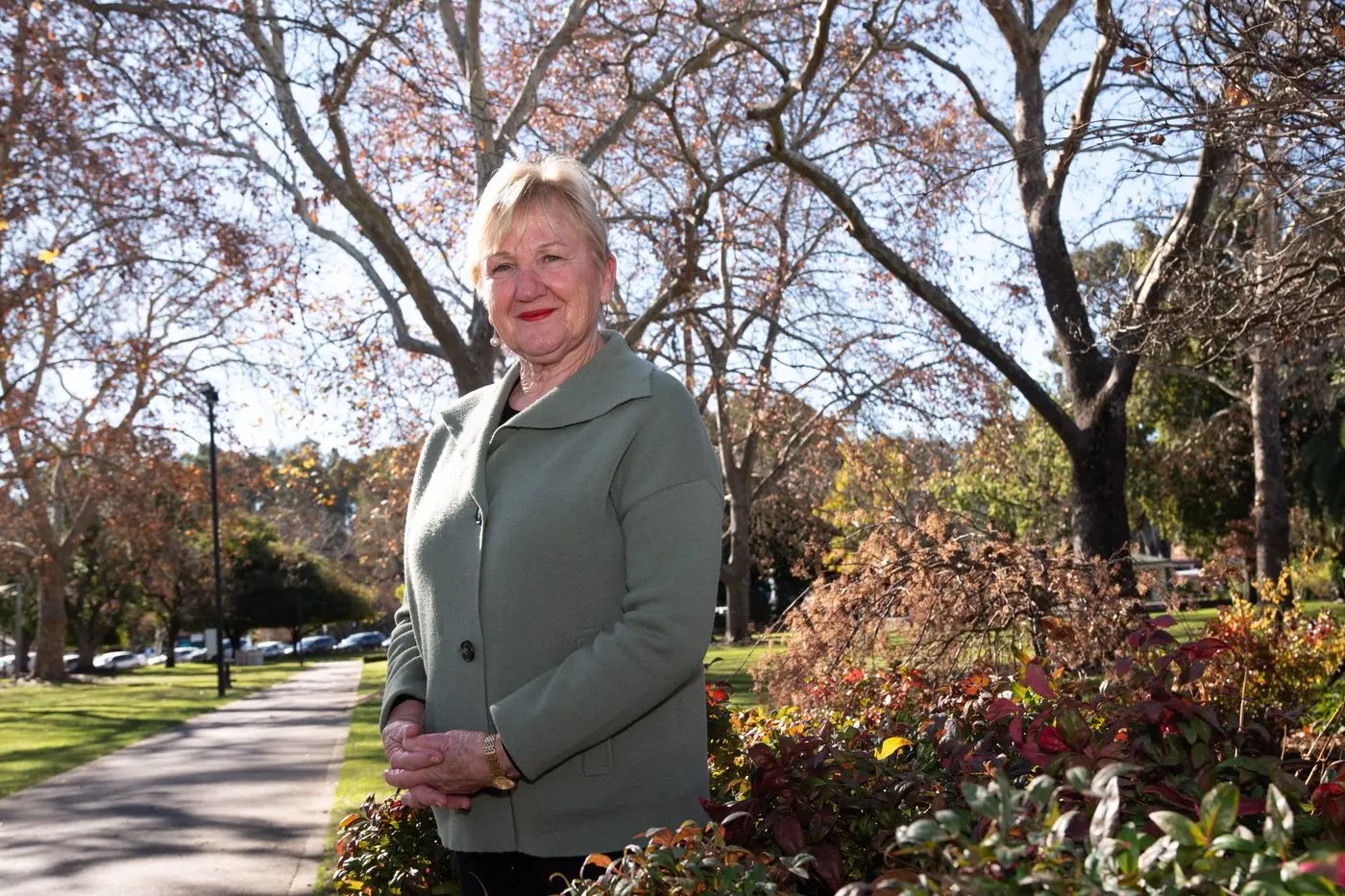
Mayor Irene Grant has historically, even when she was an administrator, labeled lean council budgets as "meat and potatoes" budgets, however, last week she went one step further to describe the economic landscape.
During the adoption of the quarter 3 forecast review, Mayor Grant said the budget is "not even going to be meat and potatoes this time, it's going to be very light on the meat and just the potatoes".
Earlier, acting director corporate & leisure Tim Coelli-Donaghy mapped out cash shortfalls including several decreases in revenue.
"User fees have dropped by $1.2 million, operating grants have decreased by $1.66m, and reimbursements are down by $467k," he said.
These fee revenue decreases include early childcare (-$572k), community care (-$490k), and Bowser landfill (-$190k), and parking (-$66k).
The Early Childhood area is underperforming against the original budget, with a reduction of ($572k).
This is primarily due to ongoing staffing shortages, which have impacted council's ability to maintain required staff-to-child ratios and deliver services at full capacity.
Community Care is showing a reduction of ($490k), mainly due to Nexus ceasing assessments, which accounts for around $150k.
Additionally, there are still unresolved factors impacting the budget, including pending outcomes related to the ASPIRE program, and a contract that is yet to be finalised.
Bowser landfill has seen a further reduction of waste acceptance of ($190k) due to cheaper alternatives at neighbouring councils, due to them benefiting from economies of scale and avoiding EPA levies, particularly in Albury. This reduction in waste intake will extend Bowser's lifespan by 7-8 years, delaying costly capital works.
Parking meter revenue has further decreased with meters at end of life ($66k).
"Capital grants are down by $4.32m, which includes $3.73m in carryovers and the removal of $580k allocated for the WSAC Power efficiency implementation," Mr Coelli-Donaghy said.
"Cash - capital contributions have declined by $2.14 million due to a shift from cash to in-kind contributions, and a slowing of development in (developer contribution plan) DCP areas."
He said to minimise the impact of unfavourable movements with a cash impact within this financial year, council officers have undertaken a thorough review of all budgets and have captured $1.85m operating expenses savings within and net capital program savings of $2.24m.
They also recognised $497k in additional other revenue streams including interest income.
"These unfavourable impacts are also being carefully considered in the development of the 2025-26 budget to ensure any corrective actions are taken proactively, and any ongoing adjustments are included."
Factors are affecting council's long-term financial outlook including the ongoing impact of the rate cap (3 per cent in 2025-26), as well as continued growth in expenses well above the rate of CPI, for example costs such as insurance and utilities.
A Financial Sustainability program has commenced to develop strategies to counteract these pressures.
Council’s 2024/25 capital works expenditure has decreased from $31.93m to $22.41m, a net decrease of $9.52m.
This figure largely includes $6.7m of carry overs of projects now to be delivered in the 2025-26 financial year, and $2.82m of savings in the 2024-25 Capital Works program.