PHOTO
71463.0
Wangaratta council has joined a nationwide callout for a doubling of the $3.45 billion Commonwealth financial assistance grants to local government.
The Rural City of Wangaratta received $12.9 million from the Commonwealth in 2025/26, with some of this figure carrying over to 2026/27.
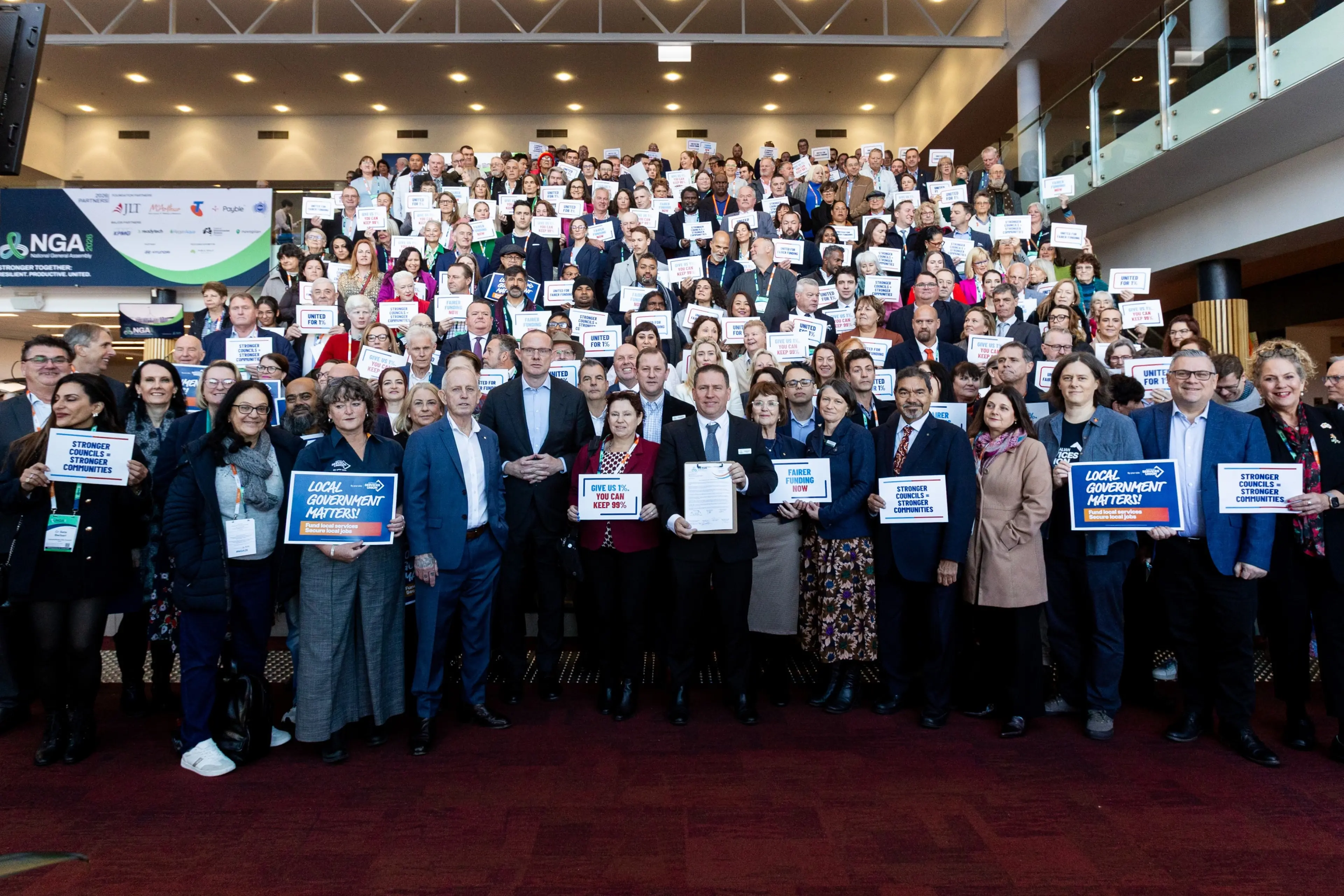
A letter, signed by associations representing more than 500 councils nationwide, was endorsed at the National General Assembly of Local Government.
Each council attended the assembly in Canberra last month and voted in favour of restoring financial assistance grants to 1 per cent of Commonwealth taxation revenue, an increase from the existing 0.5 per cent.
However, history is not of the councils' side as the last time the grants were 1 per cent of taxation revenue was in 1996.
Wangaratta Mayor Irene Grant said two councillors attended the assembly and each council was allocated one vote per motion.
"Council also voted in support of increased certainty for housing and infrastructure funding that keeps pace with inflation and supports the sustainable delivery of essential services," Cr Grant said.
"For Wangaratta, investment in core infrastructure is critical to support housing and economic growth.
"Ongoing funding for local roads, water and sewerage is needed to meet the needs of our growing community.”
The assembly's letter was sent to the speaker of the parliament as well as every MP and senator in a move president of Local Government NSW Mayor Darcy Byrne said was unprecedented.
"Mayors from every corner of the continent are joining with unions representing the whole local government workforce to say this crisis in funding for councils must be addressed," Cr Byrne said.
"In many regional communities, in particular, there is simply not enough funding for basic services to be maintained.
"That's why we have taken this unprecedented step to force the parliament to act on this crisis."
The letter highlighted the importance of being able to maintain services at a local government level.
"Councils provide vital services and infrastructure that our national economy and productivity rely upon," the letter read.
"The success of our Australian system of government depends upon our councils succeeding at grassroots level.
"But this system is in jeopardy."
Independent Indi MP Helen Haines said this letter is a clear message - councils are facing rising costs, ageing infrastructure, more frequent natural disasters and growing pressure to deliver essential services with limited resources.
"Through my work on the parliamentary inquiry into local government financial sustainability, I'm fighting for fairer funding for local councils," Dr Haines said.
"Regional councils right across Australia face serious challenge.
"Their evidence must lead to stronger government action, so that councils have the long-term funding certainty they need to keep delivering for their communities."