
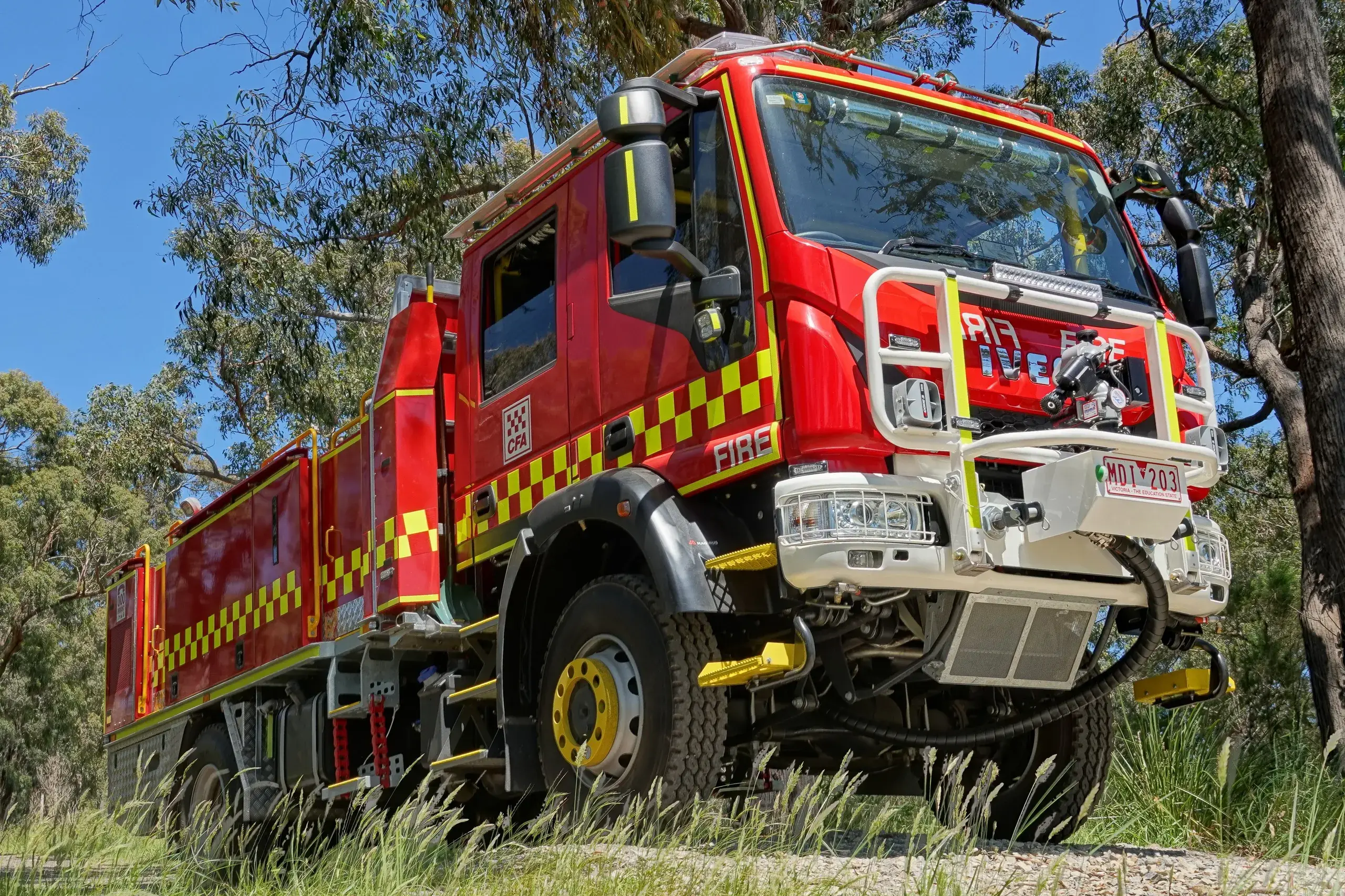
PHOTO
Local emergency services are urging the community to prepare for the worst fire danger days seen in the North East for some years this week.
An extreme heatwave is expected to pass through the North East over the next four days, with maximum temperatures to break 40 degrees in Wangaratta on Wednesday (42), Thursday (44) and Friday (45).
Associated wind is also expected on Thursday and Friday, with peak gusts forecasted at 54km/h on Friday.
CFA District 23 Commander Daryl Owen said ahead of the elevated temperatures and winds expected this week, the local fire agency encouraged all landowners and travellers to consider their fire plan.
“The weather conditions currently forecast for Thursday to Saturday, and in particular Friday are the highest fire danger days we have seen for some years,” he said.
“The declared fire danger period has been in effect for two months across the Wangaratta and Benalla area, and there is a zero-tolerance approach to people burning off.”
In the lead up to the severe fire danger days, emergency services in the region continue to battle grass and scrub fires in difficult terrain.
A small three-hectare fire in Tatong on Monday afternoon was contained on Tuesday morning after a heavy fire agency approach which involved four aircraft, 10 CFA tankers and eight FFMVic trucks.
“The fire burnt three hectares of bushland and fire crews’ fast response prevented the fire from spreading up the hill and into inaccessible terrain,” Mr Owen said.
As of Tuesday morning, a 307ha fire in Walwa continued to burn in steep bushland along the Murray River.
Severe heatwave conditions are expected to ease over the weekend and pass by Sunday.
Ambulance Victoria (AV) paramedics are sharing tips to help stay safe and beat the heat.
AV state health commander Ross Salathiel said although heat stroke is entirely preventable, it is fatal in up to 80 per cent of cases.
“While people most at risk are the elderly, young children and those with medical conditions, heat and heat-related illnesses can affect anybody,” he said.
“Heat stroke is a life-threatening medical emergency that happens when the body overheats and can no longer cool itself down.
“If you or someone else is experiencing symptoms such as confusion, seizures, excessive sweating or no sweating, collapsing or loss of consciousness, call Triple Zero (000) immediately.”
A Victoria Police spokesperson said local police and water police would be proactively patrol riverside locations across the region, which are frequently visited throughout summer.
"Water Police will maintain a bolstered presence right across Victoria’s waters to ensure everyone is following the rules," they said.
FIRE SAFETY CHECKLIST
• Avoid non essential travel on high fire risk days.
• Know your Total Fire Ban district, and refer to the Can I Can’t I information on the CFA website http://www.cfa.vic.gov.au/warnings-restrictions/fire-bans-ratings-and-restrictions/can-i-or-cant-i about what is prohibited during a Total Fire ban day.
• Monitor the Vic Emergency App and stay informed about community warnings and the actions fire fighters may ask you to do.
• Do not travel on roads that are closed. Fire agencies close fire effected roads due to smoke, fire or hazardous trees and are not safe to travel on.
• If you plan to leave, leave early. Do not wait to see fire, it is far too late by then. If you are not prepared to defend your property and be self sustainable in a high fire risk area, then leave early in the morning or the day before extreme fire danger.
• Ensure machinery (tractors etc) complies with the Fire Danger Period requirements such as carrying the prescribed fire suppression equipment. Any self propelled machinery used near dry grass or vegetation must carry a knapsack or water fire extinguisher. Not carrying the prescribed fire suppression equipment in a working order is an offence under the CFA Act.
• Avoid the use of machinery (mowers, tractors etc) in dry grass.
• Campfires and solid fuel BBQ’s are prohibited during Total Fire Bans and strict conditions apply for campfires during the fire danger period. Campfires must never be left unattended at any time.