
PHOTO
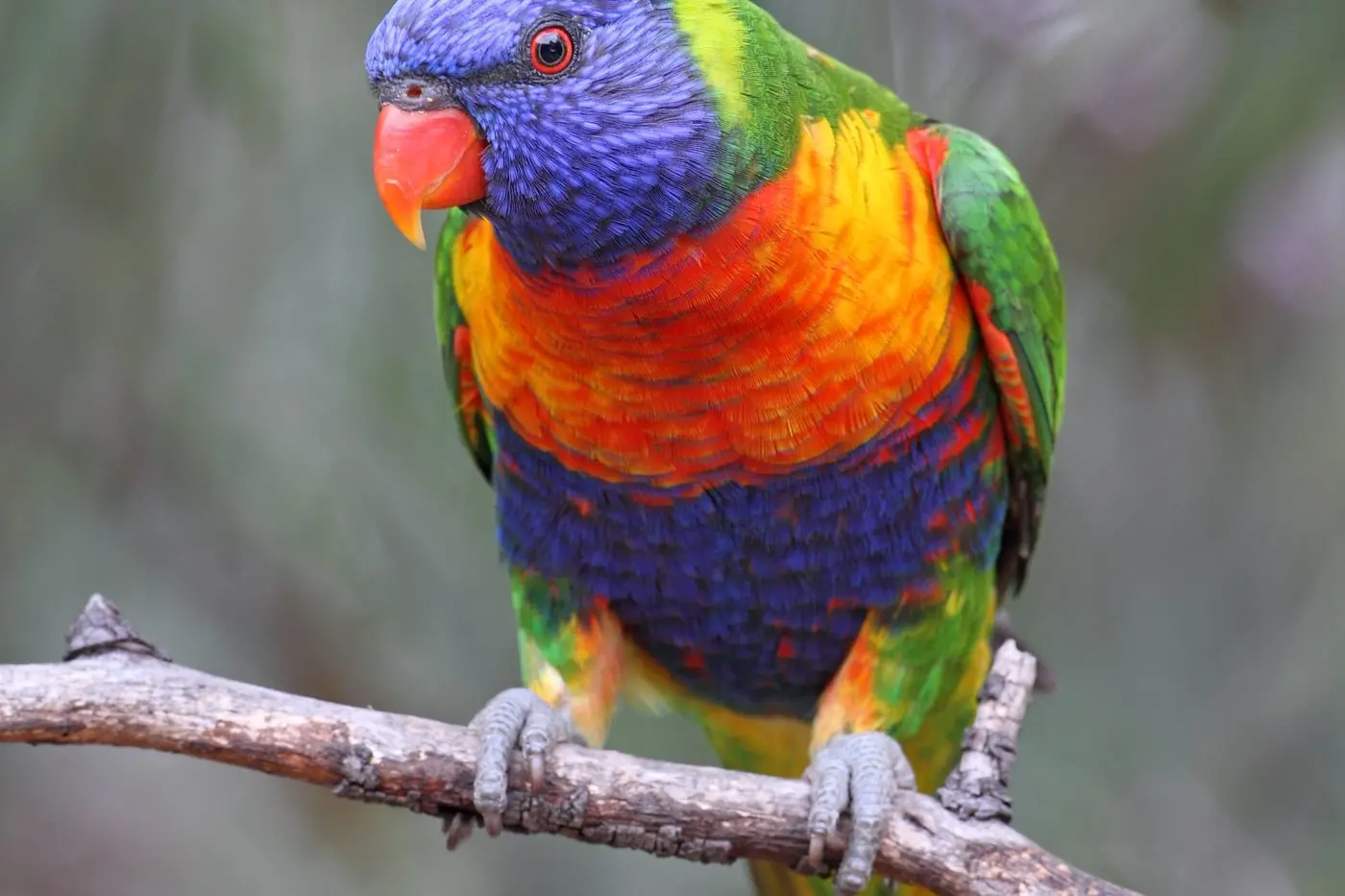
WITH their gaudy plumage and colourful antics, many people regard the Rainbow Lorikeet as one of their favourites.
The largest of Australia’s six species of lorikeet, the Rainbow Lorikeet is naturally distributed along Australia’s east and south-east coast, from north Queensland, through New South Wales and southern Victoria, and west to the Adelaide region of South Australia.
Primarily, they occur in lowland coastal forests and woodlands, ranging inland to the slopes of the Great Divide.
Since the 1980s, however, their distribution has expanded significantly and there has been a considerable increase in their population.
Historically, Rainbow Lorikeets were never a part of north-east Victoria’s bird life but, like in so many other regions, the species has adapted to changes in the environment and become firmly established.
Typical of the lorikeets, Rainbow Lorikeets feed on nectar.
The widespread planting of many nectar-producing trees and shrubs, especially garden cultivars of grevilleas and bottlebrushes that produce copious amounts of nectar for long periods, has undoubtedly caused the spread of this species.
Rainbow Lorikeets are also very belligerent and dominant and can easily withstand and even out-compete other aggressive nectar-feeders such as Noisy Miners and Red Wattlebirds.
Nowadays, Rainbow Lorikeets are one of the most common species found throughout parks and gardens of towns and cities, such as Melbourne, Adelaide, Sydney and Brisbane, thanks to the establishment of their favoured food sources.
Regionally, their range continues to expand, radiating out of areas where their populations are burgeoning.
Since the 1990s, Rainbow Lorikeet numbers have gradually been increasing around Wangaratta, most likely stemming from populations around greater Melbourne.
As expected, most birds are seen in township areas associated with plantings of non-indigenous eucalypts and other trees and shrubs.
They are also now resident in the Hamilton Park estate near Glenrowan and are regular visitors to many of the larger native gardens throughout the district.
As yet, the species is rarely seen in natural bushland areas, but when local eucalypts such as Grey Box and Mugga Ironbark are in flower, Rainbow Lorikeets can move in.
At present in low numbers, their impact is minimal, but if populations increase further they may exert pressure on our local brigade of smaller honeyeaters and lorikeets which are particularly sensitive to this type of competition for food.
Nesting in tree hollows, they also compete with other hollow-dependent species for nest and shelter sites.