
PHOTO
It has continued to be one to two degrees above normal during the day across most of Victoria during July, with North East Victoria being wetter than average but the rest of the state being drier than average, particularly in the south.
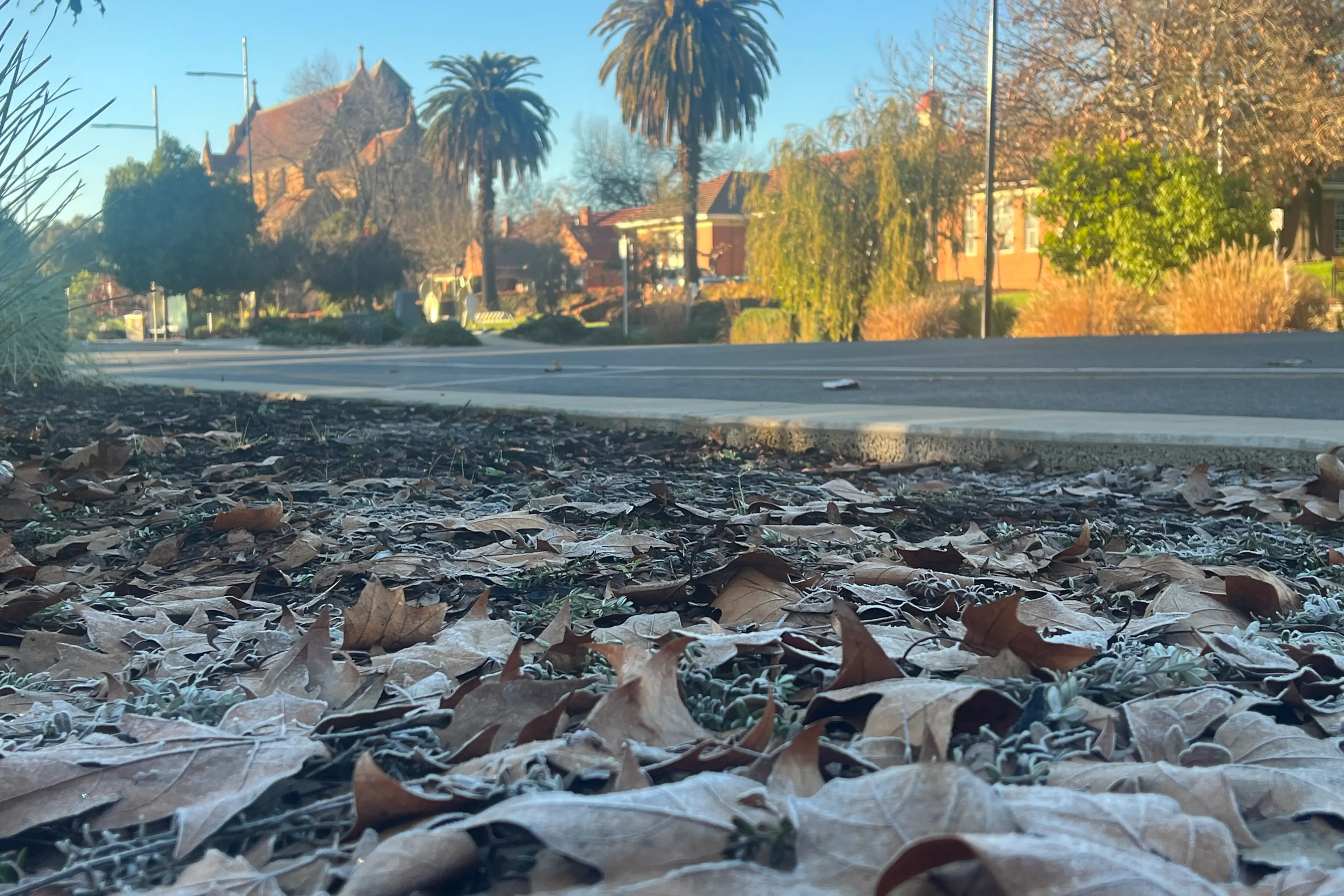
Up until Monday, 20 July, Wangaratta's mean minimum was 2.7 degrees, with nine sub-zero mornings, the coldest being -1.5 degrees on Friday, 10 July; while the city's mean maximum temperature was 14.3 degrees, with the warmest day being 16.2 degrees on Sunday, 19 July.
Wangaratta's 35-year average July mean minimum temperature is 2.5 degrees and mean maximum 13 degrees.
Wangaratta's rainfall up until Monday this week was 76.6mms which is well past the July average of 62.1mms.
This month has seen both Melbourne and Laverton record their warmest July day with 19.6 degrees since 2013.
Canberra recorded minus 5.8 degrees last Sunday 19 July which is the coldest in July for three years.
It was the first time since 2014 that the coldest mornings from April to June were warmer than minus three degrees.
There were two other cases in Canberra when this also happened - in 1989 and 1945 and these led to a wet winter and late wet spring season in Victoria but a hotter than normal summer in Victoria.
In outback Queensland, Barcaldine had excessive rainfalls of well over 250mms during January and February this year and then very dry conditions of less than 25mms from April to mid July.
Looking at the rainfall records for Barcaldine there were 10 times since 1886 when it had less than 25mms from April to mid July.
There were three times (1898, 1991 and 1997) when the January to February rainfall was very high like this year, and the December to March period following were notably hotter in Victoria, with the heaviest rainfall being in February.
After having its wettest ever year last year in 157 years of records, Townsville has only recorded 18.8mms from April to mid July this year - the driest since 22mms in 2018.
It has also been very dry and notably warmer than normal in Mackay the last three months being the warmest since 1993 and before that in 1942, 1936 and 1933.
The spring season and most of the summer season was warmer and wetter with more thunderstorms than usual.