PHOTO
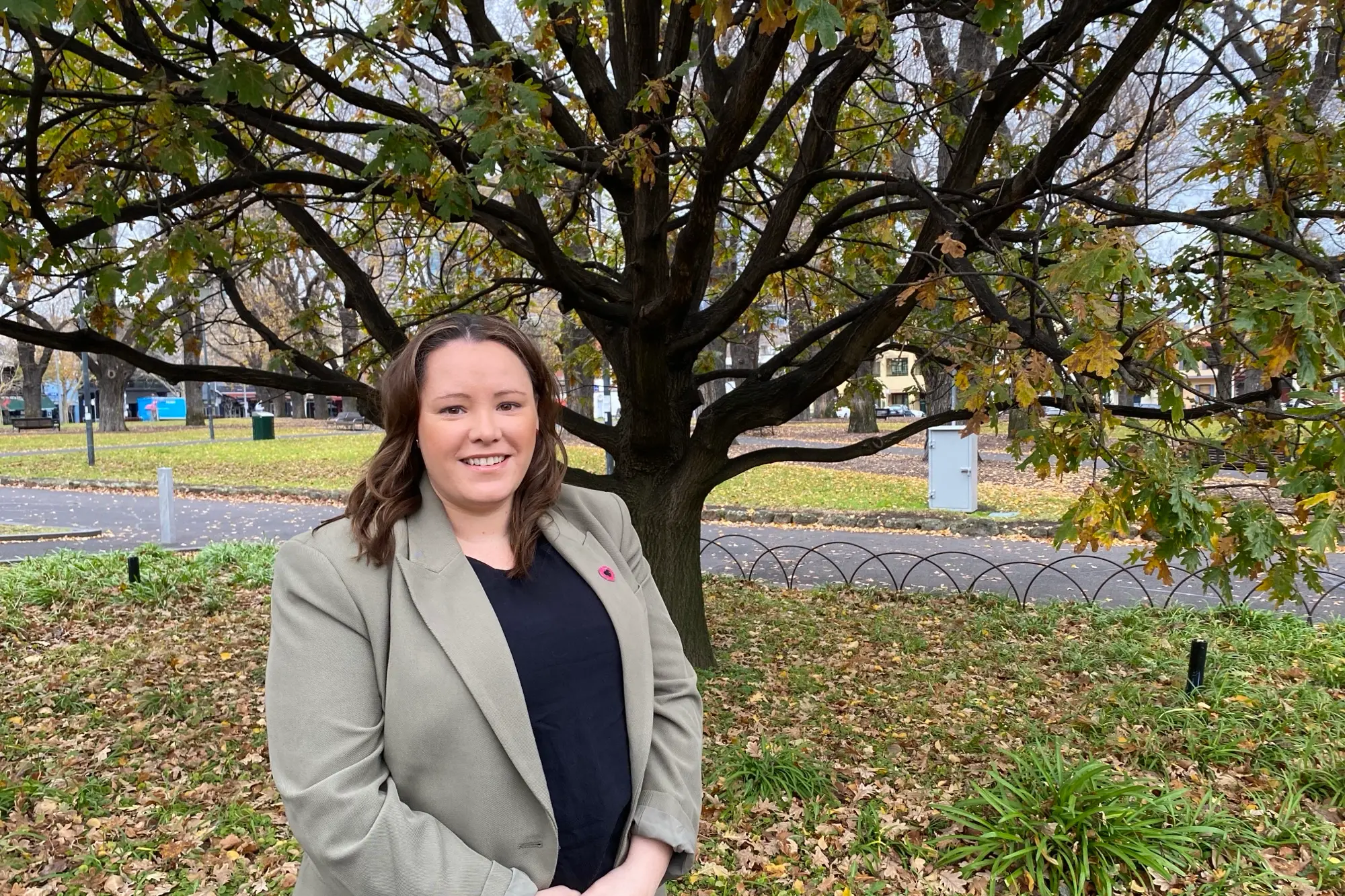
In July this year, DonateLife Victoria appointed Bridget Walters, a highly experienced nurse donation specialist, to a newly created part-time position as 'regional engagement coordinator'.
The role is designed to strengthen organ and tissue donation services across regional health centres in North East Victoria, including Wangaratta, that don't have an embedded nurse donation specialist.
Bridget, who has an extensive nursing background, began the role mid-year and has already made significant progress.
Her work focuses on supporting and educating staff and families about organ and tissue donation, particularly in emergency departments, intensive care units, and operating theatres.
Bridget said this role allows her to be present in regional hospitals and embed organ and tissue donation as part of routine end-of-life care.
"An exciting and meaningful part of my role is providing education and engaging with local health services," she said.
“I feel privileged to offer donation to families during such a difficult time."
The position complements DonateLife’s 24-hour on-call nursing service and aims to bridge gaps in regional areas by providing hospital visits, study days, and awareness programs.
Bridget also addresses common misconceptions about donation, such as age or health being barriers.
“Age isn’t a barrier, we’ve had donors over 80," she said.
"And lifestyle factors like smoking don’t automatically exclude you,” she said.
Organ donation remains rare, with only about two per cent of hospital deaths meeting the criteria for organ donation.
Yet the need is urgent: around 1800 Australians are on the transplant waitlist, and 14,000 more are on dialysis for kidney failure.
One donor can save up to seven lives and transform many more through tissue and eye donation.
Bridget encourages everyone to register and talk to their families.
“It only takes a minute at donatelife.gov.au or via MyGov," she said.
"Families are far more likely to agree to donation if they know your wishes.”
DonateLife Victoria hopes this new role will increase awareness and opportunities for donation in regional communities like Wangaratta, where local health services have shown strong engagement.