PHOTO
Information has been arriving in letterboxes over the past week, ahead of the Australian Bureau of Statistics Census of Population and Housing, to be held next Tuesday 11 August.
The census is held every five years, when the ABS counts all people and households in Australia.
Census forms - which can be completed as soon as the instructions are received if residents know where they will be on census night - ask questions about age, country of birth, cultural background, living situation, work and education.
The answers are then used to help government understand what Australia needs now and into the future, and will inform decisions about transport, schools, health care, infrastructure and business, as well as planning local services for individuals, families and communities.
The census is compulsory under the Census and Statistics Act 1905, and everyone in Australia on census night must be included on a form.
Paper forms can be requested from the ABS using the information on letters sent to households, but most will probably be completed online.
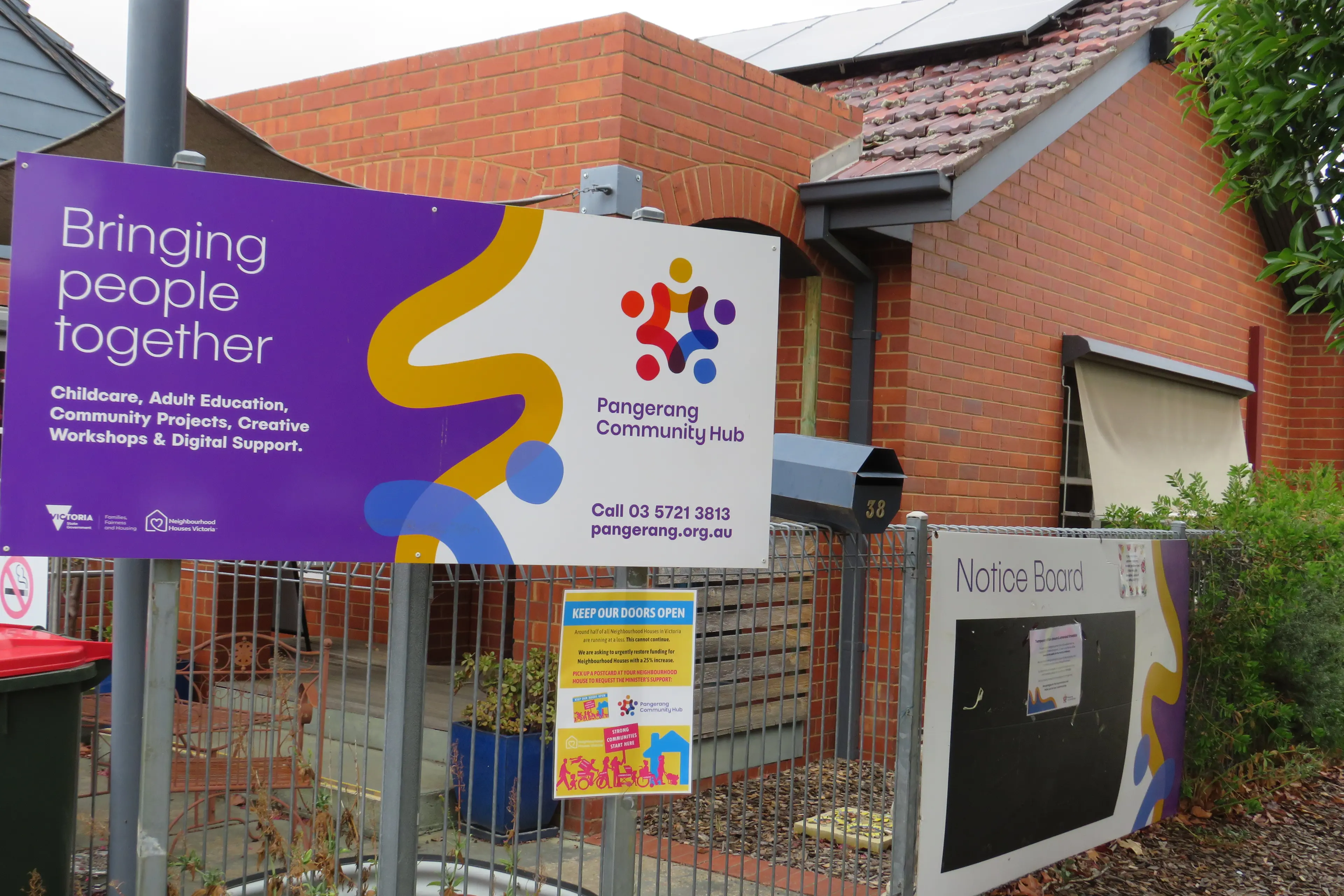
While no pop-up supports to assist with online completion are scheduled for Wangaratta at this stage, help is at hand - including at Ovens Street's Pangerang Community Hub.
Assistance can be found at the Wangaratta Digital Hub at Pangerang, which is open each Wednesday from 9.30am to 12.30pm.
"If you're not confident completing it online, we're happy to help," Pangerang executive officer Tennille Hall said.
"The important thing is simply to complete it in the way that works best for you, but we are always here to help the community as best we can.
"For more information, call 5721 3813."
Ms Hall said while completing the census could feel like just another thing on the to-do list, it did make a difference.
"The more people who complete it, the more accurate the picture we have of our community," she said.
"Government uses census information to help plan services and infrastructure, but it's not just governments; community organisations like ours rely on that data too.
"It helps us understand how our community is changing. For example, if we can see our population is ageing, we know we need to advocate for more services and support for older residents. If we're seeing more young families, that tells us something different.
"We also use census data when applying for grants, because it helps demonstrate the needs of our community.
"Accurate data means better evidence and, ultimately, a stronger case for bringing funding and services into our region."
For more information about the census, visit https://info.census.abs.gov.au/