PHOTO
64153.0
With reports of some fuel stations across the state running out, at times, of certain types of fuel bombarding mainstream news and social media, major regional fuel distributors have called on motorists to calm down.
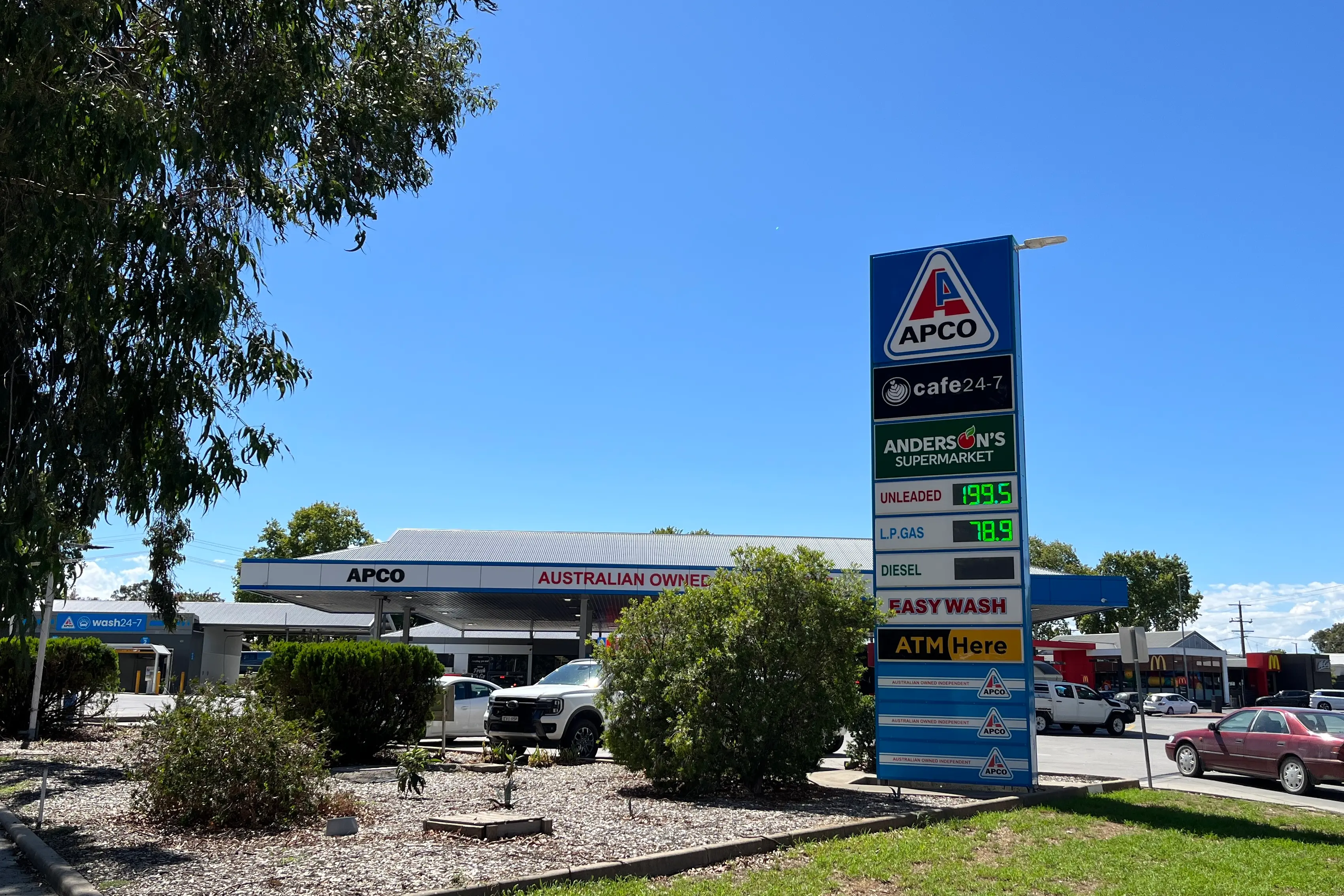
Peter Anderson, director of APCO (Anderson Petroleum Company), which distributes to 30 service stations across regional Victoria, Albury, Wagga Wagga and Mount Gambier, said all fuel distributors were facing challenges due to the sudden increase in demand - around 400 per cent since the Iran conflict began according to the state government.
"We're all having our problems, it's the panic buying, but there is no need to panic, there is plenty of fuel," Mr Anderson said.
"Things have settled down a bit, and we were only out of fuel at some stations for a short while, and it only affected some lines.
"I generally sell the same amount each month but I ordered extra diesel and 91 Unleaded and then we experienced more demand on E10, 98 and 95."
Mr Anderson said some of the people complaining in the media about their service stations running dry are spot buyers who have preferred to shop around for the lowest price rather than have a longer term contract.
"Operators who are loyal to the company should be looked after," he said.
Sarah Simpson, a third generation fuel distributor with Simpsons Fuel based in Alexandra, said they had experienced the same demand increase.
"If everyone sticks to their normal buying habits it will be okay," Ms Simpson said.
"It's the same for the fuel outlets who want to buy more.
"We have 100 per cent of our fuel allocation for this time of year but we can't increase that.
"We understand why people want to buy now, due to the uncertainty and the price rises, but it compounds the problem."
Ms Simpson said her company had not put any restrictions on purchases as yet, such as restricting jerry cans or purchase limits, recognising the need in her surrounding area for people needing fuel for generators due to the recent bushfires affecting household power.
Prime Minister Anthony Albanese will convene a second emergency national cabinet meeting next week to coordinate the national response to the fuel crisis as the fallout from the Iran war continues to escalate.
The government has said that voluntary measures to help reduce fuel demand are on the table, but 'not there yet' and it was too soon to consider rationing.
Australia has experienced petrol rationing in the past, with motorists restricted to purchasing fuel based on their licence plate with odd numbers allowed to buy on odd dates and even numbers plates on even dates.
UNSW Business School experts say the current wave of panic buying is being driven more by perception and expectation than actual shortages.
“Anytime there is fear and uncertainty, those emotions bring out more risk-avoidant behaviour in people,” said Professor Nitika Garg from the School of Marketing at UNSW Business School.
“That often leads people to stock up or act early, because they are trying to protect themselves from what might happen next.”
But panic buying is not simply irrational behaviour.
According to UNSW economists and consumer psychologists, it is often a predictable response to fear, price volatility, and the belief that others are about to do the same as happened during the Covid pandemic when suddenly toilet paper was the product in demand.