PHOTO
75717.0
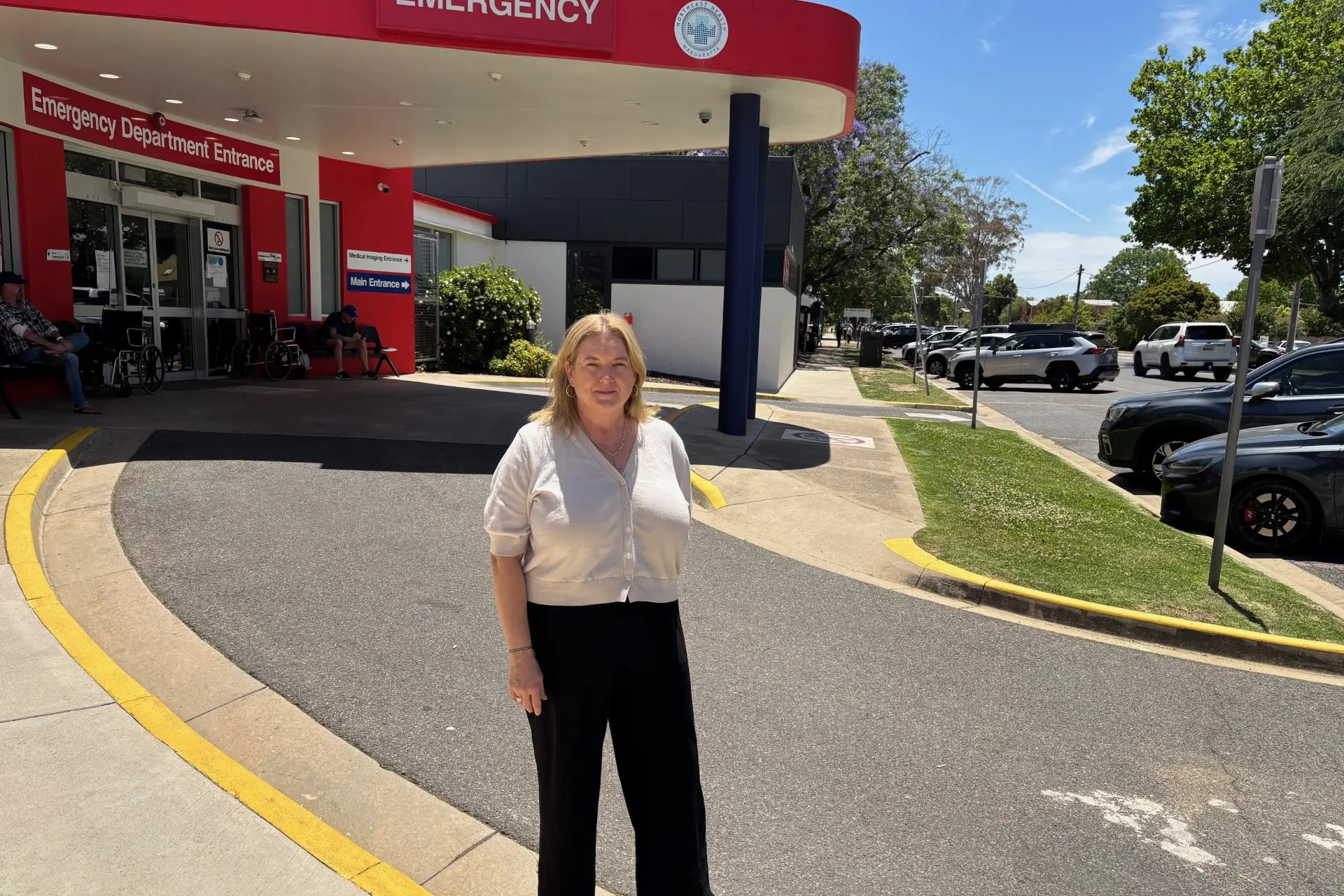
Northeast Health Wangaratta (NHW) has urged the community to consider alternative care options for non-urgent conditions as the regional health service manages a period of significant demand across its Emergency Department and inpatient areas.
On Monday 17 August, NHW shared a social media post highlighting the high demand they were experiencing across their services, with NHW chief operating officer Rebecca Weir saying they are continuing to closely monitor demand and patient flow across the health service.
“Throughout the weekend and into the week, we have experienced significant demand across a number of our services,” she said.
“Our teams work together throughout periods of increased activity to ensure patients are prioritised according to clinical need and that we continue to provide safe, appropriate care.
“We thank our staff for their continued flexibility and teamwork, and our community for their patience during particularly busy periods.”
Ms Weir said there is not always one single cause.
“Demand can be influenced by seasonal illness, the complexity and acuity of patients presenting for care, the number of people requiring admission, and the availability of beds across the health service,” she said.
“As a regional health service, we care for patients from Wangaratta and surrounding communities, with people presenting with a wide range of health needs.
“We also work closely with our regional health service partners to facilitate patient transfers where appropriate, helping patients receive the care they need closer to home.
“At times, this process can be challenging, particularly when health services across the region are experiencing high demand at the same time.”
Mr Weir said they encourage people with non-life-threatening health concerns to consider the range of alternative services available.
Depending on your needs, this may include their local GP or pharmacist, or the Victorian Virtual Emergency Department (VED.vic.gov.au), which provides free virtual care from emergency doctors and nurses.
People can also contact NURSE-ON-CALL on 1300 60 60 24 for advice about their symptoms and where to seek appropriate care.
“We don't want anyone experiencing a medical emergency to delay seeking care because they are concerned that the Emergency Department is busy,” Ms Weir said.
“If you are experiencing a medical emergency, please continue to seek urgent care.
“Our message about alternative services is not about discouraging people from attending the Emergency Department when they need it.
“It is about helping our community understand the healthcare options available and ensuring people can access the right care, in the right place, at the right time.”
If you are experiencing a serious or life-threatening emergency, call Triple Zero (000) or attend your nearest Emergency Department.
This can include symptoms such as severe difficulty breathing, chest pain, signs of stroke, serious injury, severe bleeding or a sudden and significant deterioration in your health.
If you are unsure how urgent your condition is, NURSE-ON-CALL can provide advice, and the Victorian Virtual Emergency Department is another option for many non-life-threatening conditions.
Ms Weir said during periods of increased demand, their priority remains the same: ensuring every patient receives exceptional, safe and appropriate care.
“At times, this means adapting how and where we deliver care, including temporarily extending services beyond traditional ward areas to create additional capacity and ensure patients continue to receive the care they need,” she said.
“Our teams carefully manage patient flow, staffing and capacity across the organisation, with patient safety and quality of care at the centre of every decision.
“Demand for health services continues to grow as our regional population grows and ages, and as patients present with increasingly complex healthcare needs."
Ms Weir said NHW recognise the exceptional work of their staff during periods of high demand.
“Our clinical and support teams work incredibly hard behind the scenes to manage patient flow, respond to changing demand and ensure our patients continue to receive safe and compassionate care,” she said.
“We also thank our community for their patience and understanding when our services are particularly busy.”