Australia is losing seven people every day to overdose – that’s one son, daughter, partner or friend every 3.5 hours – and the nation’s latest data shows the crisis is accelerating, not slowing down.

Preliminary analysis released by Penington Institute reveals there were 2596 drug-induced deaths in Australia in 2024 – a 10.7 per cent increase on the previous year and the highest number ever recorded.

For the first time, unintentional drug-induced deaths exceeded 2000 in a single year (2091 deaths).

The figures mean the number of drug-induced deaths exceeded deaths from road traffic incidents by almost two to one.

The 2026 Overdose Snapshot, an early release of findings from Penington Institute’s Australia’s Annual Overdose Report 2026, shows deaths increased sharply across several drug categories, including heroin, stimulants and cocaine.

Among the key findings:

• Drug-induced deaths reached 2596 in 2024, the highest number on record

• Unintentional overdose deaths rose 15.1 per cent to 2091 deaths

• Heroin-related deaths reached the highest level recorded this century

• Deaths involving stimulants increased by 25.1 per cent in a single year

• Cocaine-related deaths increased by 28.2 per cent in just one year

• For the first time ever, people in the 50 to 59 age group recorded the highest number of unintentional overdose deaths

• In 2024, Victoria, Queensland, Western Australia and South Australia all experienced the most unintentional drug-induced deaths since the beginning of this data series in 2001.

The figures released by the Penington Institute highlight the significant impact that alcohol and other drug harms continue to have across Australia.

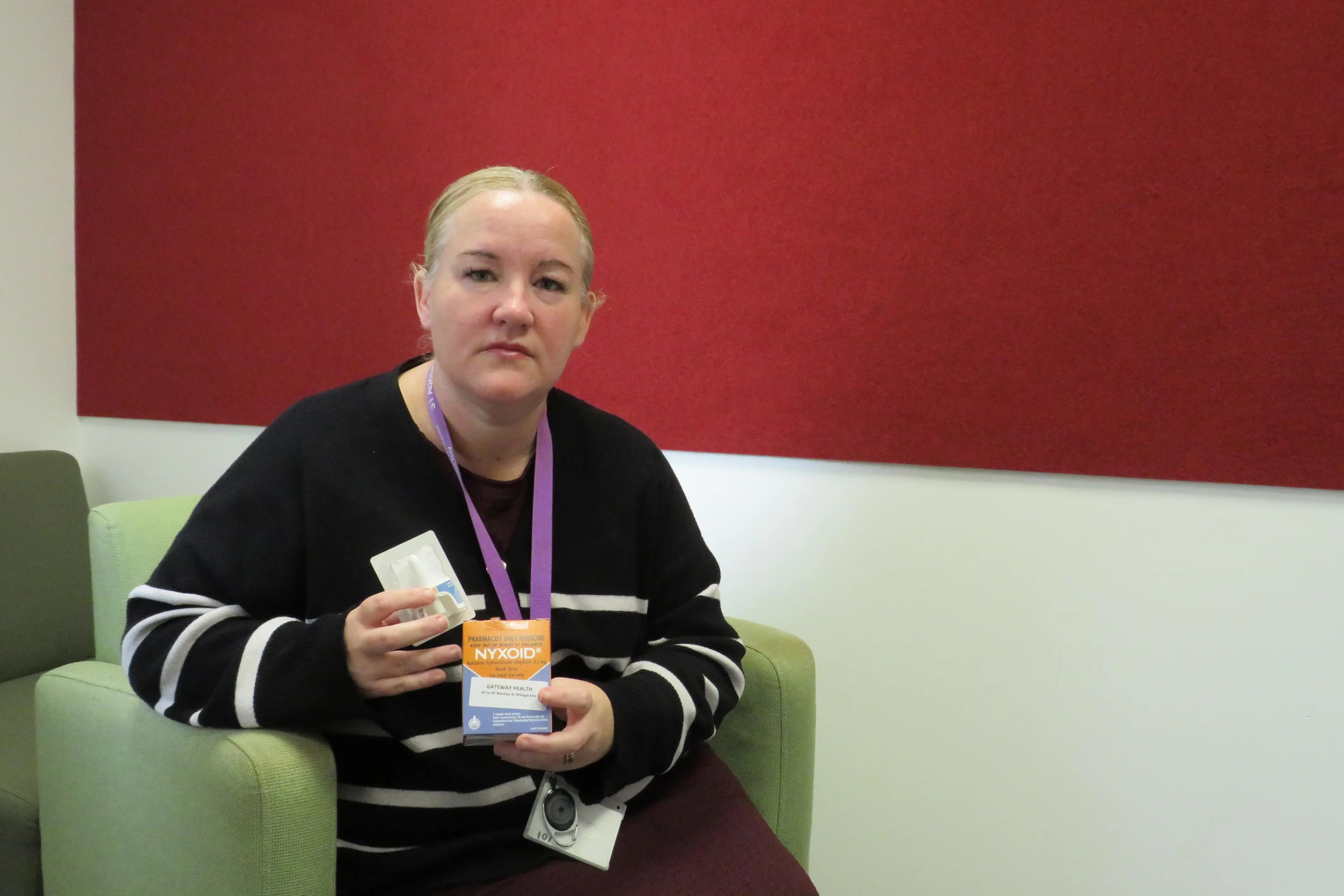
While Gateway Health cannot comment on whether the national overdose figures are directly reflective of the Wangaratta community without local data, the organisation said they know that substance use and overdose remain important issues affecting individuals, families and communities throughout regional Victoria.

Residential manager Jen Rollings said at the Wangaratta Therapeutic Community, they see firsthand the positive outcomes that can be achieved when people are given the time, support and environment needed to address substance use issues and rebuild their lives.

“Recovery is possible, and our focus is on providing a safe, supportive community where residents can develop the skills, resilience and connections needed to achieve long-term change,” she said.

Importantly, people affected by alcohol and other drug use in our region have access to a range of support options.

Gateway Health delivers a broad range of non-residential alcohol and other drug services, including counselling, care and recovery coordination, withdrawal support, family services, youth-focused programs and early intervention initiatives.

Alongside this, the Wangaratta Therapeutic Community provides a residential treatment option for people requiring more intensive support.

These services help ensure individuals can access support at different stages of their recovery journey and according to their individual needs.

Gateway Health Alcohol and Other Drugs Program manager, Caddie Russell, said from their experience working with people seeking support, many individuals face complex challenges that can include mental health concerns, social isolation, housing instability, trauma and barriers to accessing treatment.

“These factors can increase vulnerability and reinforce the importance of accessible, evidence-based support services,” she said.

Ms Rollings said stigma remains one of the biggest barriers preventing people from seeking help.

"Community awareness, open conversations about substance use, and treating people with compassion and dignity are all important in encouraging individuals and families to access support when they need it," she said.

"Reducing stigma helps create pathways to treatment and recovery rather than leaving people to struggle in silence."

Ms Russell said the wider community can play a valuable role by learning about available services, supporting evidence-based approaches to treatment and harm reduction, and recognising that substance dependence and overdose are health issues that require care, understanding and effective support.

Importantly, overdose deaths are preventable.

"Access to treatment, early intervention, harm reduction initiatives, education and timely support can all play a role in reducing the risk of overdose and saving lives," she said.

"Any loss of life to overdose is a tragedy, and continued investment in prevention, treatment, recovery and community education is essential to reducing harm and supporting those affected."

For anyone concerned about their own alcohol or drug use, or that of a family member or friend, support is available.

Seeking help early can make a significant difference, and no one should feel they have to face these challenges alone.