PHOTO
66396.0
National Palliative Care Week, from 10 – 16 May, brings the prefect opportunity for conversations about palliative care and end-of-life care for local families.
This year’s campaign ‘Getting to the heart of it: Big Questions. Real Answers.’ is designed to make palliative care easier to understand by encouraging honest questions and responses.
Palliative care is person and family-centred care provided for a person with an active, progressive, advanced disease, and for whom the primary goal is to optimise the quality of life.
It helps people live their life as fully and as comfortably as possible when living with a life-limiting or terminal illness, and identifies and treats symptoms which may be physical, emotional, spiritual or social.
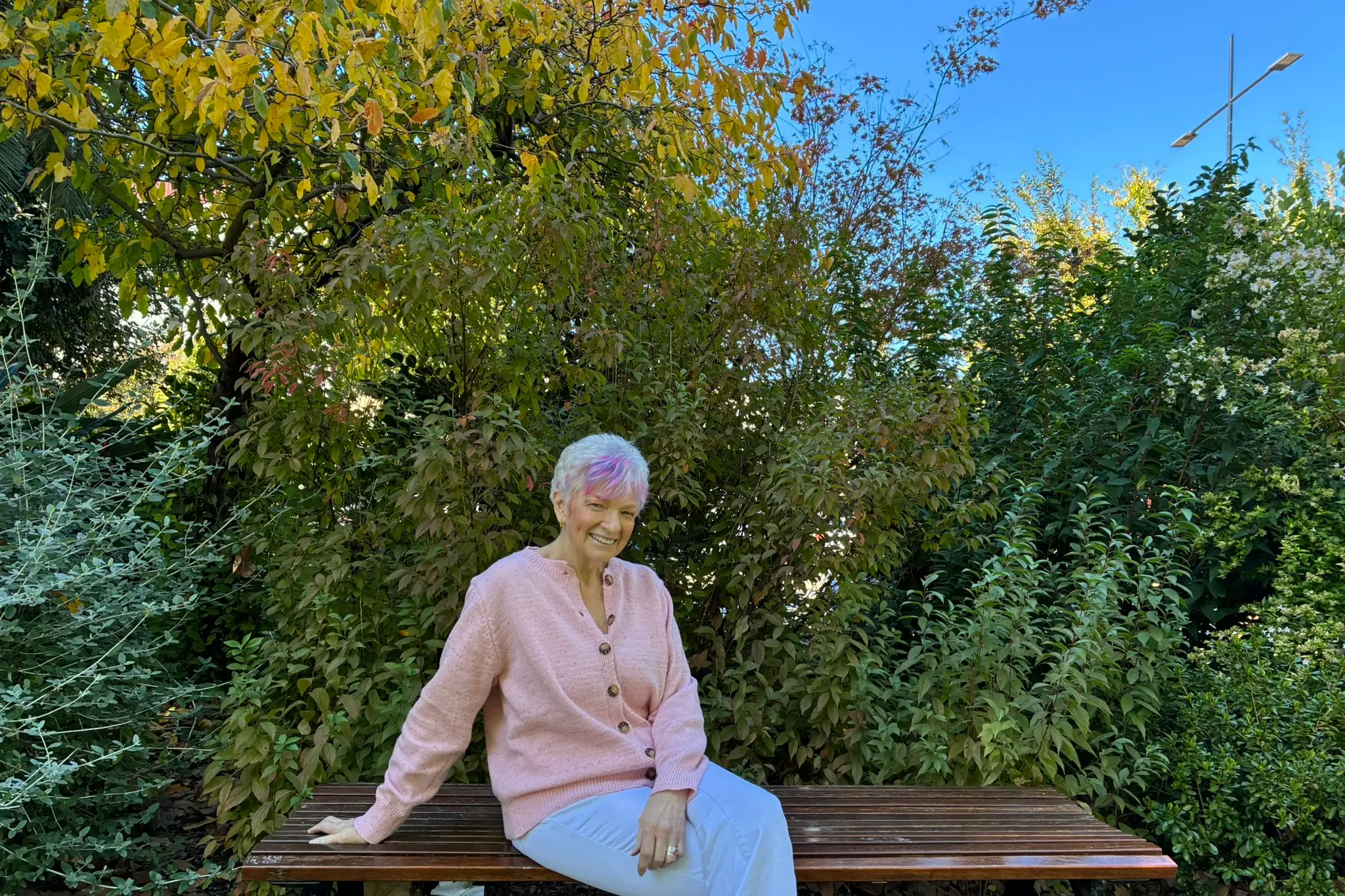
Local palliative care nurse and death doula, Rose Sexton, is encouraging locals to have tough conversations with their loved ones, even though it can be uncomfortable.
“We are all going to die,” she said.
“Death touches all of us, whether it is our parents, grandparents, friends or neighbours.
"When we do not talk about it, it can lead to unnecessary fear, anxiety and grief.
“Our lives are more whole when we accept that death is part of life.
“It helps us see the full picture and our place in the rhythm of living and dying that exists all around us.”
According to Palliative Care Australia, 73 per cent of Australians say they are open to talking about advance care planning, but only 33 per cent have undertaken any form of advance care planning.
Rose has seen firsthand the impact of avoiding these conversations can have on families and carers.
“Caring for someone who is dying is incredibly stressful,” she said.
“If there is an undercurrent of fear or an inability to talk openly, carers can miss the chance to have important conversations with their loved one.
"That can make grief more complicated and more painful after the person has died."
Rose said misconceptions about palliative care remain common in the community.
“As soon as people hear palliative care, they think it is all about dying,” she said.
“But palliative care is actually about living, living the best life you can, managing symptoms and improving quality of life.
"It is about helping people live as well as they can for as long as they can.
“It is holistic care, we care for the whole person, and we also care for the people around them, that includes emotional, social and spiritual support, not just physical care.”
Rose works in the community as a clinical nurse specialist, visiting people in their homes to assess their needs and provide support.
She also plays an education role, supporting aged care and disability workers across the Hume region to build confidence and skills in end of life care.
Alongside her clinical work as a nurse, Rose is well known locally for her involvement in community conversations about death and dying through her role as a death doula and facilitator of Death Cafes as part of the Good2Go Project.
Death Cafes are informal gatherings that create a safe, non judgemental space for people to talk openly about death, dying and the bigger questions about life.
They have no agenda and are not counselling sessions, but simply an opportunity for people to talk and listen.
“Death is still seen as a taboo topic, although that is starting to change,” Rose said.
“More people are becoming willing to talk about it, and that is a really positive shift.”
Death Cafes are held at Old Faithfulls Brew Bar on the third Monday of every month from 10am to 11:30am.
The Good2Go Project is also presenting a series of "Hope for the Best, Plan for the Rest" workshops are aimed at people who have received a life changing diagnosis.
The workshops are free, however, there is an accompanying workbook offered at the discounted price of $10.
More information about Death Cafes, workshops and other community events can be found by following the Good2Go Project on Facebook or visiting g2gproject.com.au.