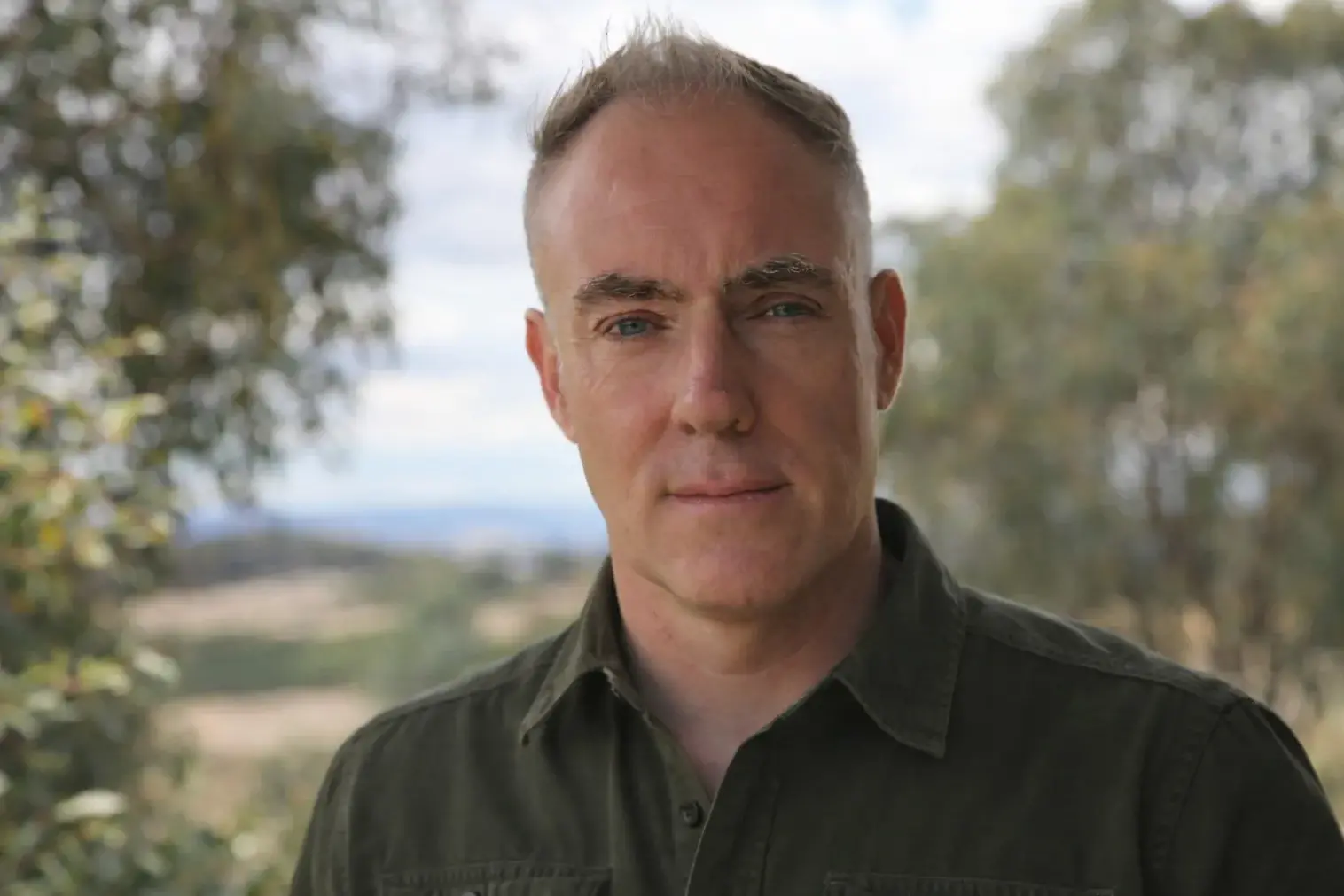
By Mark Mathieson www.100percentpurehuman.com Small towns have long memories. They remember the year the river flooded. The summer the hills burned. The drought that stretched longer than anyone expected. They remember grand finals, roadside crosses, lost farms, new babies - and who turned up with a trailer when it mattered. They also remember who stayed. My family and I live in North East Victoria. Like many families here, our life sits across multiple worlds - professional work, school runs, community commitments, and time on the land. Some days are spent in a consulting room. Others are spent fixing fences, watching the weather, or standing on the sidelines of local sport. That mix is not unusual in regional Australia. Work and home blur. Identity and livelihood overlap. Seasons matter. I trained as a psychologist and have spent over 30 years working with individuals and families navigating pressure, uncertainty and change. I’ve also worked in extreme environments supporting humans in high performance settings. Special Forces. Elite Sport. Reality TV. But the longer I’ve done this work, the clearer something has become. Most of what shapes our wellbeing doesn’t begin inside an office (or inside at all, for that matter). It begins in places. It begins in whether we feel useful. Known. Needed. It begins in whether our children are learning competence as well as confidence. It begins in whether we trust our neighbours. It begins in whether we feel connected to the ground beneath us - it's history and personality. Regional communities have always required a particular kind of steadiness. Not bravado. Not emotional silence. But the capacity to keep showing up when the season turns against you. To adapt. To rebuild. To shoulder responsibility without much recognition. Yet something is shifting, even in our quieter, more steady communities. Parents tell me they are unsure how to prepare their children for a future that feels less predictable than the one they grew up with. Farmers are navigating climate volatility alongside generational transition. Small business owners carry complex financial strain quietly. Young people are more digitally connected than ever, but often less certain of where they belong. We use the term “mental health” to describe much of this. But often what we’re really talking about is belonging. Or identity. Or fatigue. Or grief. Or change. In smaller communities, these experiences don’t stay private. There’s less anonymity here. When someone struggles, it echoes. But so does resilience. I’ve seen neighbours rebuild fences for someone who couldn’t afford it. I’ve seen sporting clubs double as informal support networks. I’ve seen volunteer brigades stand in smoke and floodwater long after the cameras leave. I’ve seen older farmers quietly guide younger ones through hard seasons without calling it mentorship. That strength grows from connection — to land, to story, to shared responsibility. This column won’t offer quick fixes or motivational slogans. It won’t be therapy in print. And it won’t be partisan commentary. Every fortnight or so, I’ll explore one small piece of what it means to live well in regional Australia. Sometimes that will mean reflecting on seasonal rhythms - what winter does to mood, how fire season shapes our nervous systems, why harvest can bring both pride and exhaustion. Sometimes it will mean looking at family life - raising capable children, sustaining relationships under pressure, helping adult sons and daughters find their footing. At other times it may respond to events unfolding in our own towns - moments of tragedy, change or public debate. Beneath each topic sits a simple idea: human beings don’t thrive in isolation. We are shaped by environment and place. By responsibility. By participation. By purpose. Living well here isn’t about becoming tougher, nor is it about becoming softer. It’s about becoming more connected - and more capable - within the reality of the place we inhabit. Connection to land doesn’t mean everyone needs to farm. Connection to community doesn’t mean we agree on everything. But it does mean recognising that wellbeing is rarely an individual project. It is relational. Cultural. Ecological. Perhaps thriving in regional Australia begins with remembering something ourselves - that we belong not just to our own ambitions and anxieties, but to a broader story unfolding in a particular landscape. If this column can contribute in some small way to that conversation — encouraging reflection, strengthening connection, or simply naming what many quietly feel — then it will have served its purpose. I look forward to exploring it with you. Mark Mathieson www.100percentpurehuman.com