PHOTO
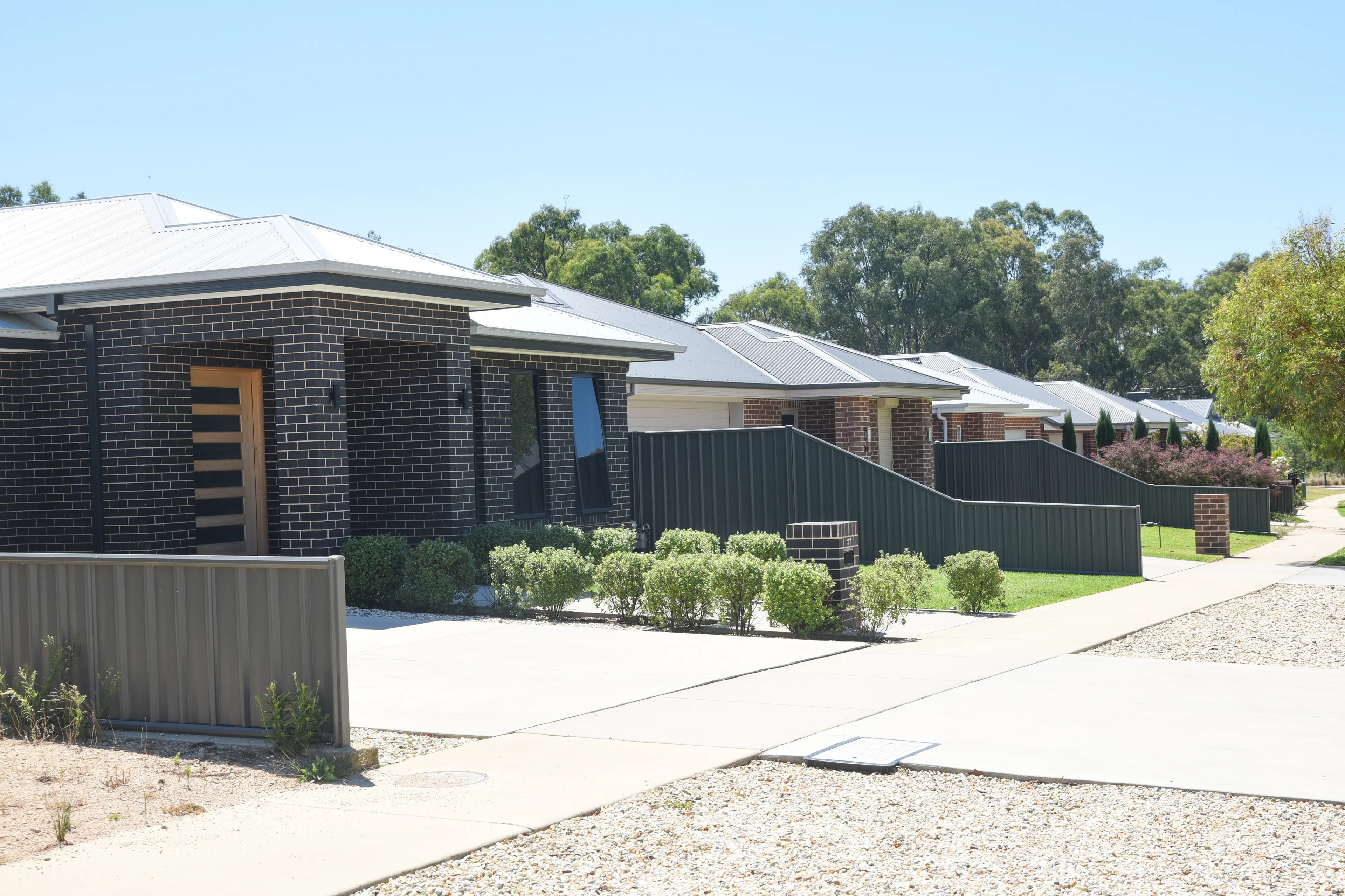
Wangaratta is deemed 'moderately affordable' when it comes to rents, according to the latest Rental Affordability Index (RAI), one notch better than 'unaffordable'
However, the moderately affordable tag for quarter 2, 2025 is worse than three months prior, when the rating was 'acceptable' in Wangaratta based on the average household income.
Wangaratta's rental affordability scale has toggled between acceptable and moderate over the last five years and has managed to avoid the harsher verdicts - severe, extreme and critical as seen in other places.
Wangaratta rents currently range between $450 and $650 for a 3-4 bedroom house, while unit rentals are hovering around $350-$380 per week.
If a household has to spend more than 30 per cent of their income on rent or mortgage it is considered housing stress, with the index showing anything below a score of 100 as unaffordable or worse.
Across the North East region, Mansfield is the most unaffordable with a score of 84, followed by Wodonga 96.
Benalla came in next at 110, Wangaratta and Euroa 111, and Beechworth is the most affordable at 115, although still in the the 'moderately affordable' bracket between 100 to 120.
Rental affordability across regional Victoria has continued to decline, falling to its lowest level on record, according to the 11th annual National Shelter-SGS Economics and Planning Rental Affordability Index.
On average, affordability has declined by 3 per cent across regional Victoria.
The average renting household, earning $87,320, now spends 28pc of its income on a median rental.
Rents in regional Victoria are now classed as moderately unaffordable with a RAI score of 107.
The Index found a single person on JobSeeker faces extremely unaffordable rents, spending 61pc of their income on a rental.
Meanwhile, single pensioners spend 38pc of their income on rent, and a single parent on benefits spends 43pc of their income, both facing severely unaffordable rents.
Tenants Victoria CEO Jennifer Beveridge said: “Our frontline services are reporting major concerns around housing affordability with demand rising from renters who need its help.
“We’re seeing more people on modest incomes, like teachers, emergency service workers and hospitality workers forced to move away from their jobs, families and support network,” Ms Beveridge said.
Robert Pradolin, founder & executive director of Housing All Australians, which has recently become a partner in the Affordability Index, said the rental crisis was having a major negative impact on regional economies and communities.
“From cafes and hotels to hospitals and childcare centres, Victorian businesses are struggling to find staff because there’s nowhere affordable for them to live nearby,” he said.
“The affordability crisis is imperiling many regional towns which are struggling to stay alive. If we want to see thriving regional economies, we need to invest in affordable homes for the people who work hard to keep our communities moving.
"Governments cannot address the housing shortfall on their own and so innovative public-private partnerships will continue to be vital.”