
PHOTO
63054.0
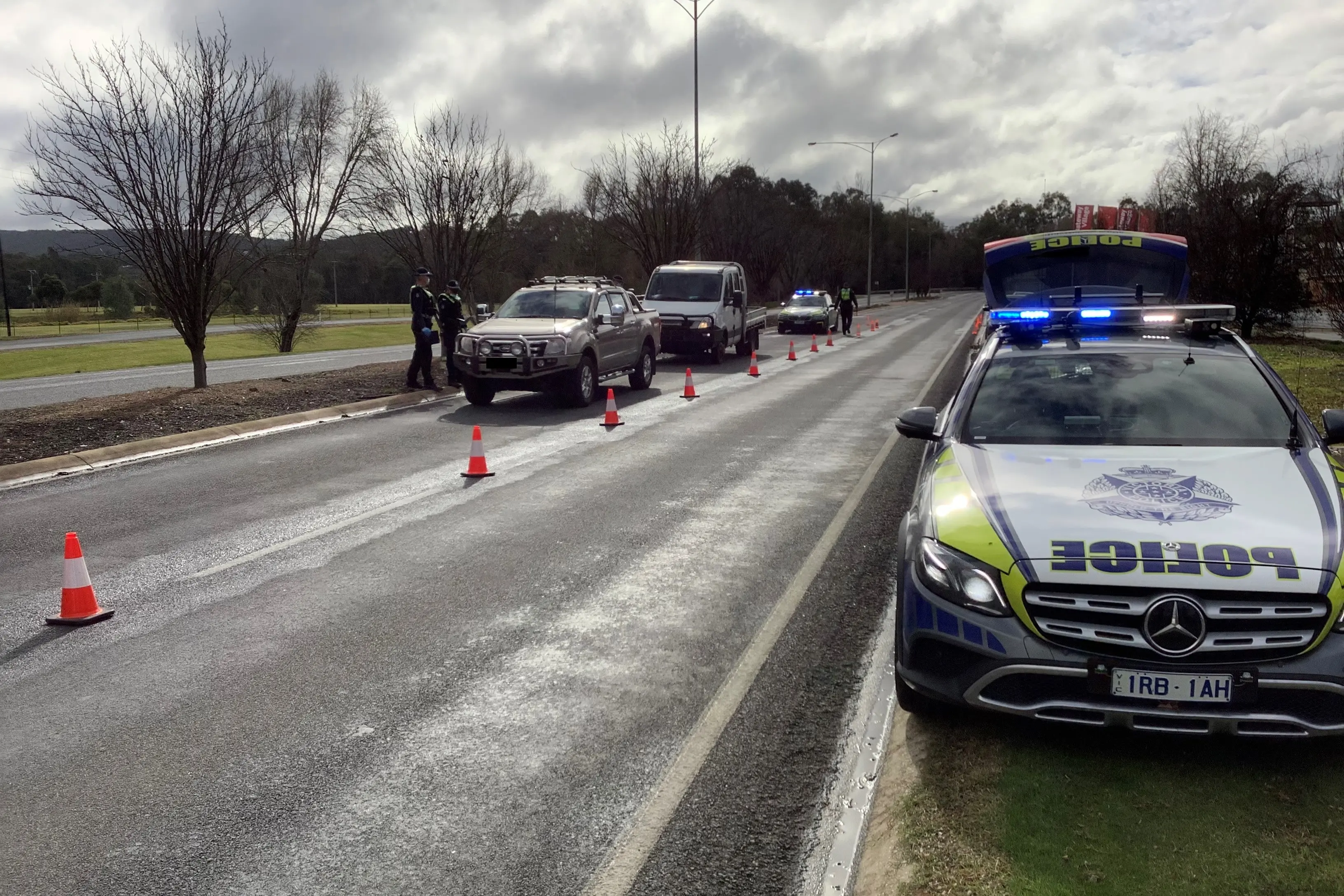
Local police have seen a surge in driving offending over a four-day Labour Day long weekend road safety blitz.
According to police data there were 76 offences detected within the Wangaratta Police Service Area throughout the weekend which ran from Friday to late Monday night.
The 76 total offences in the area was a dramatic increase on the last police long weekend operation, which saw 31 traffic offences throughout the Australia Day weekend.
Operation Arid saw police targeting high-risk driving behaviour across the state over four days, in an effort to drive down road trauma.
Included in the offences were 55 motorists caught speeding, two drink drivers, one drug driver and one vehicle impoundment.
There were also 15 drivers who were caught on the road either unlicenced or driving an unregistered vehicle.
Two motorists were detected with seatbelt offences.
Close to 6500 traffic offences were detected across the state.
Almost 45 per cent of all offences detected were speeding-related, with three quarters of those caught travelling between 10km/h and 25km/h over the speed limit.
Assistant Commissioner Glenn Weir said the results were frustrating because the majority of drivers know they are doing the wrong thing, but choose to run the risk anyway.
“People might complain about receiving a fine, but the reality is that receiving a penalty is completely avoidable if drivers obey the speed limits and road rules,” he said.
“If you blatantly choose to speed or break the rules on our roads, you will be caught – and police make no apologies for this.
“In such a high-risk month for road trauma historically, we are doing all we can to drive down trauma on our roads.”
There were four fatalities on Victorian roads during the four-day operational period, including a motorist in Lakes Entrance on Saturday morning, a vehicle occupant in Tongala on Saturday night, a motorist in Lovely Banks on Monday morning, and a motorcyclist in Wyndham Vale on Monday afternoon.
Injury collisions in both metropolitan Melbourne and regional Victoria have historically peaked during March, with more than 1600 recorded in March 2025 – 23 of which were fatal.