The Nationals have acknowledged the growing popularity of One Nation presented a genuine threat to challenge seats in regional Victoria, but argue internal conservative infighting will only serve to entrench the state Labor government.

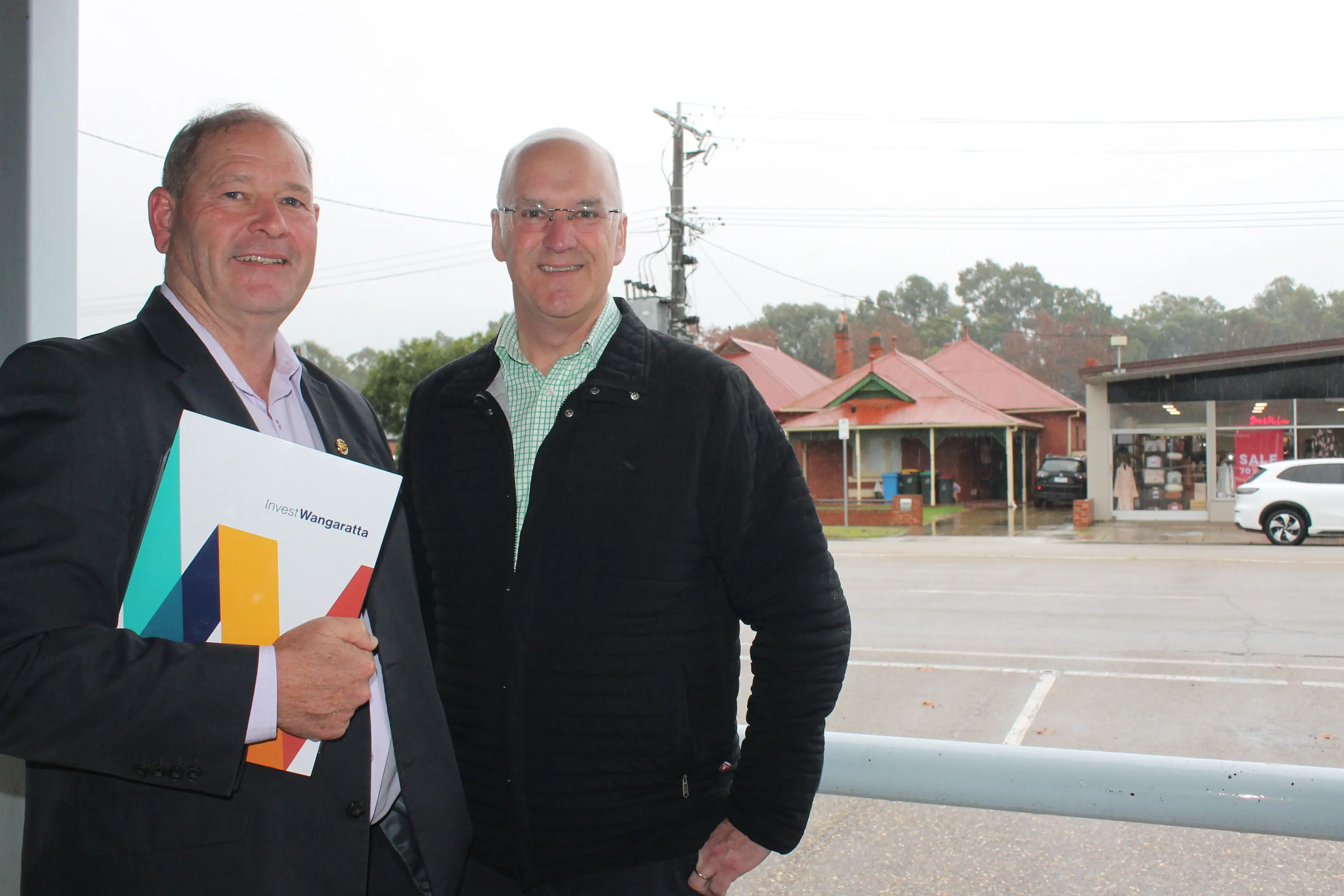
Victorian Nationals leader Danny O’Brien joined Ovens Valley MP Tim McCurdy touring the electorate last week, hearing from local communities and identifying potential needs as they gear up for a state election just under five months away.

The Coalition faces a growing electoral threat from the right, with Pauline Hanson’s One Nation actively targeting regional conservative seats following recent success in the federal Farrer by-election and the South Australian state election.

Mr O’Brien said the party presented a genuine challenge and warned conservative voters that fracturing their vote could play directly into their opposition’s hands.

“One Nation is absolutely a threat, and we acknowledge that, but the enemy for us is the Labor Party,” he said.

“The simple message is, if you want to get rid of Jacinta Allan and the Labor Party, you must vote Nationals and Liberals.

“A vote for One Nation splits the conservative vote and could be a good thing for Jacinta Allan.”

Mr McCurdy agreed that infighting would only benefit the incumbent government.

“What we don't need to be doing is starting a fight with One Nation, because that gives Labor a chance to come right through the middle,” Mr McCurdy said.

“If we want to get rid of Labor, and we do and so does One Nation, we better make sure that we all have that common theme.”

The MPs were identifying local infrastructure and service needs which could form part of the Coalition’s Fair Share Guarantee, a recent policy announcement which intends to mandate 25 per cent of all new state spending for regional Victoria, directly matching its 25 per cent share of the state's population.

The opposition is leaning on independent Parliamentary Budget Office (PBO) data, indicating that regional Victoria currently receives just 12 per cent of parliamentary budget infrastructure funding.

“It's been basically the same for four or five years now,” Mr O’Brien said.

“We don't think that's fair, so the fair share guarantee is to say that we will make sure that regional Victoria gets its fair share of infrastructure investment, whether that's roads, hospitals, schools, police stations, fire brigades, all of those things that we need.”

The regional tour across the Ovens Valley electorate highlighted widespread local frustration.

According to both MPs, councils and business owners are demanding structural changes to how regional development funds are distributed.

Mr McCurdy said the state government’s capital city focus amid a soaring $200 billion state debt had left regional frontline workers unsupported.

“We do have to reprioritise because at the moment the government is headstrong about digging tunnels and doing all this in Melbourne, whereas we're saying regional Victoria has been missing out," he said.

“We're not chasing new, shiny things; we want to maintain what we've got and be able to use what we've got.”

The MPs met with representatives from local councils in the Alpine and Wangaratta, who shared their concerns with local roads and the state’s fast-tracked renewable energy transition.

Mr McCurdy highlighted community anger surrounding the Glenrowan solar farm proposal and the state’s intervention in local planning laws.

“The worry is everything’s coming back to the planning minister now, they hold more power than the premier at the moment," he said.

"Council doesn't get a say, the neighbours don't get a say."

The Nationals have pledged to reintroduce a two-kilometre buffer zone between wind turbines and homes, abolish the Development Facilitation Program (DFP) fast-tracking process, and introduce mandatory agricultural impact assessments.

Mr O’Brien said the party also announced an alternate program to install more solar panels on urban warehouse roofs.

“That's about generating the power where it's going to be used and taking the pressure off regional Victoria, reducing the need for transition lines,” he said.