PHOTO
Cost rises stemming from the timber harvesting industry and haulage fees are being bled down the line as a result of fuel supply issues to Australia.
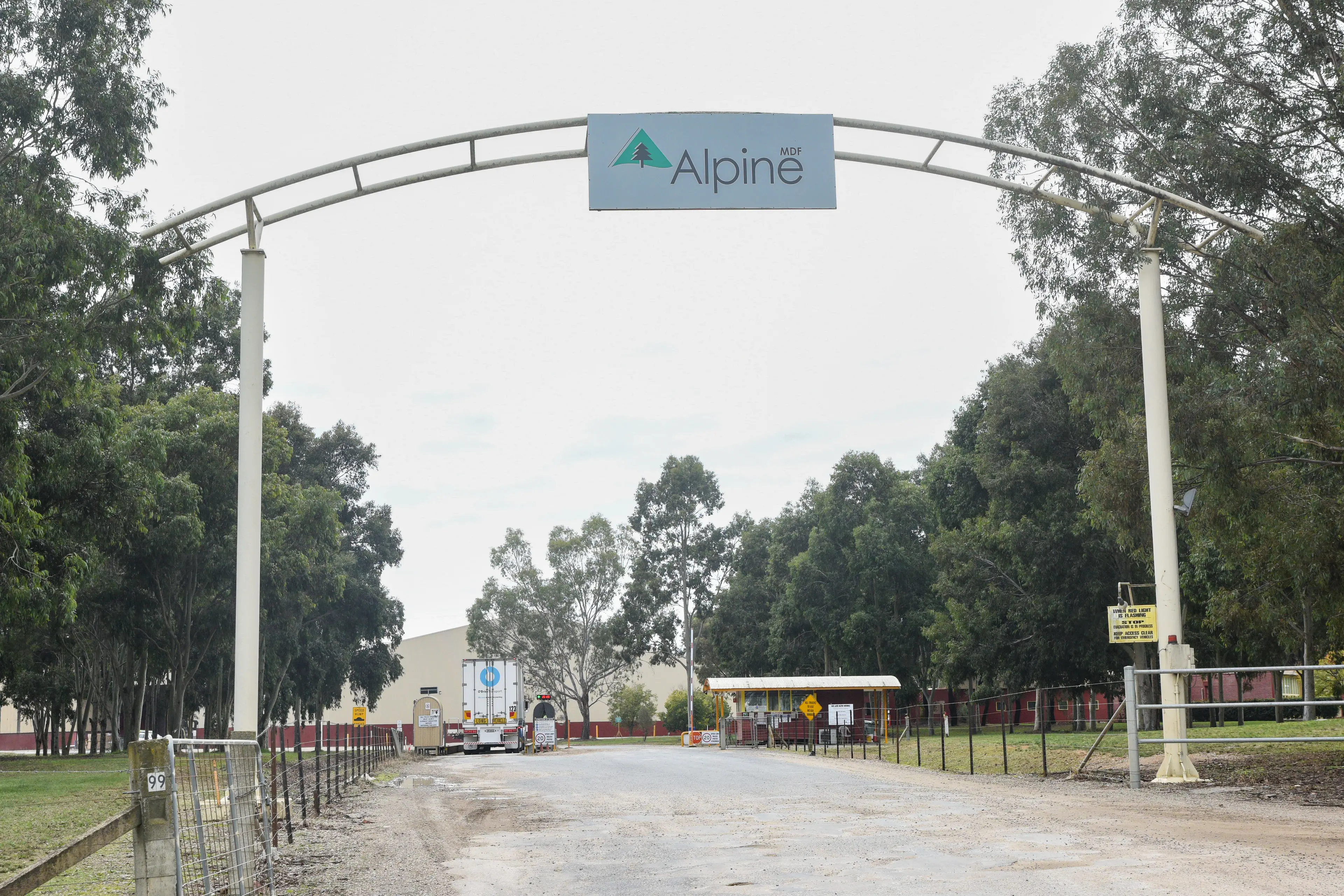
Harvest and haulage contractors in the forestry sector and finished goods transporters are passing on cost increases, with Wangaratta's Alpine MDF juggling a cost increase of $100k-$150k a week.
Alpine MDF makes general building products such as kitchens, doors and general construction-based applications.
In the first five weeks of the fuel crisis, CEO James Anderson said the business absorbed the flow-on cost as much as they could but now they are passing on 33-50 per cent of the increase to customers.
"They are increases that we've been working with our customers on, but we're still absorbing more than half of it, recognising that the consumer can't absorb all the cost increases that get passed through from every sector," he said.
"With our products it will impact people who go to, for example, Bunnings and ultimately it will impact people building housings and it will in turn increase prices."
Alpine MDF's business model has remained status quo on the employment and production front and there is no view to change this in the foreseeable future.
"We're a long-term committed employer, so a short-term change won't see us impacted in this respect," Mr Anderson said.
Several employees have been conscious of their own household budgets, with numerous people driving electric vehicles to work.
Alpine MDF also offers onsite charging for employees' vehicles as well.
"We've certainly seen a number of our employees start to car-pool as well," he said.
If the fuel crisis continues into longer term where fuel supplies reach critical levels, it could impact some businesses more than others.
"Many of our employees have a physical task onsite to do, but where we can, we're providing a degree of flexibility for those who can work from home," he said.
The demand for products is still there but Mr Anderson believes this could change.
"The more the consumer is impacted by costs, at some point in time that will impact their buying behaviours, then they stop investing and consuming building based products.
"There's got to be a flow-on effect at some point and it will certainly impact first home buyers building because ultimately the cost of houses go up."