PHOTO
Top Winter Heating Tips for Victorian Homeowners
Wintertime in Victoria usually means chilly mornings, frosty nights, and bundling up in extra layers to stay warm. Unfortunately, the colder weather usually also means a more expensive energy bill.
As temperatures drop, homeowners often rely heavily on pricey heating systems to stay comfortable. But heating your home efficiently and safely requires more than simply turning up the thermostat.
By addressing issues early on, homeowners can improve their overall comfort, save money on their energy bills, and reduce the risk of electrical and fire hazards from happening during the colder months. Here are our top tips for heating your Victorian home in the winter.
Choose the Right Heating Solution
Not all heating systems are created equal, and the right system depends on your home’s size, layout, and energy requirements. Reverse-cycle air conditioners are among the most energy-efficient options available, as they provide both heating and cooling year-round.
If you’re considering upgrading your heating system, speak to a qualified electrician in Melbourne who can assess your home’s electrical capacity and recommend the most suitable heating system based on your needs. Professional installation ensures your system operates safely and efficiently while complying with Victorian electrical standards, so you can protect your home's value while staying nice and cosy.
Whether sprucing up your home’s gas heating system or upgrading to a brand-new electric or solar heating system, working with your local experts will ensure you get the best heating solution for your climate.
Schedule Regular Maintenance for Your Heating System
Working with your local electrician to choose the right heating solution for you is a great start to heating your home more efficiently, but you will need to take good care of it to get the most out of it. Regular, routine maintenance can improve the performance and lifespan of your heating system and appliances.
Ensure that the vents remain unobstructed by furniture or curtains. Dirty filters, blocked vents, and worn electrical components reduce efficiency and increase operating costs.
For reverse-cycle systems, clean or replace filters according to the manufacturer's recommendations. If you notice any unusual noises, inconsistent heat flow, or electrical issues such as sudden turn-offs, book an inspection immediately before the problem worsens.
Check Your Home’s Insulation
One of the best ways to keep your home warm during winter is to prevent heat from escaping. Poor, outdated insulation forces your heating systems to work harder, leading to higher energy use and increased costs.
A well-insulated home maintains a consistent temperature, reduces strain on heaters, improves overall efficiency, and best of all, keeps heating costs down. Start by checking the roof insulation, sealing gaps around doors and windows, and using weatherstripping where necessary.
Heavy curtains can also help trap warmth indoors during the evening while allowing natural sunlight to enter during the day. Improving insulation can also help keep your home cooler in the summer, too—so hot or cold, insulation is a win-win!
Adopt Smart Heating Habits
Small changes can make a big difference to your energy bills during winter. Rather than heating your entire home continuously, focus on the most-occupied areas and close the doors to unused rooms.
Programmable thermostats and smart controls allow you to set heating schedules that match your daily routine. Lowering your thermostat by just one or two degrees can reduce energy consumption without significantly affecting comfort.
Wearing more layers of clothing indoors and using blankets in the evening can also reduce your reliance on your heating system while maintaining your home's comfort. Get into the winter spirit and bundle up with long sweaters, tracksuit pants, and fuzzy slippers!
Winter will be a bit more comfortable for you if you adopt smart heating habits like these, and a little more fun, too!
Portable Heater Safety Mistakes: What to Avoid
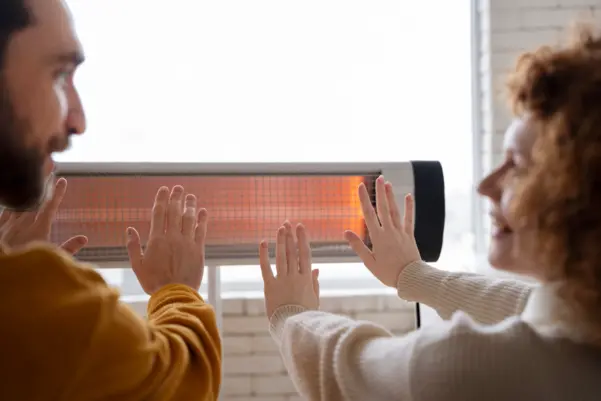
Portable heaters are commonly used throughout Victorian homes as they are a convenient and affordable way to warm individual rooms. However, they are also associated with increased fire risks when used incorrectly.
Safety experts recommend maintaining at least 1 metre of clearance around heaters at all times. One of the most common mistakes people make is putting portable heaters too close to flammable materials such as curtains, bedding, furniture, or clothing.
Another common issue is plugging high-powered heaters into extension cords or power boards. Heaters should always be plugged directly into a wall outlet; portable heaters draw significant electrical current, and overloaded power boards can overheat, creating a serious fire hazard.
Leaving portable heaters unattended is another major risk. Never leave a heater running while sleeping or when leaving the room for extended periods.
Modern models with tip-over protection and automatic shut-off features offer additional safety benefits, but they should still be monitored during operation. Damaged power cords, loose electrical connections, and ageing appliances can also increase the risk of fire.
Here are some portable heater safety do’s and don’ts:
Do:
Keep at least one metre of clear space around the heater at all times
Plug the heater directly into a wall socket
Use models with safety features like tip-over protection and automatic shut-off
Supervise the heater while it is running
Turn the heater off when leaving the room or going to sleep
Don’t:
Don’t place heaters near flammable items like curtains, bedding, furniture, or clothing
Don’t use extension cords or power boards with portable heaters
Don’t leave heaters running unattended
Don’t run heaters overnight while sleeping
Don’t crowd the heater or block airflow around it
If your heater is showing signs of wear or causes power fluctuations, stop using it and have the issue assessed by a licensed electrician.
Stay Warm and Safe This Winter in Victoria
Keeping your Victorian home warm during winter doesn’t have to result in excessive energy bills or unnecessary safety risks. By improving insulation, maintaining your system, and following portable heater safety guidelines, homeowners can enjoy a comfortable and cozy winter.
Ultimately, preparing your home for winter is about taking a proactive approach rather than reacting to issues as they arise. With the right preparation, Victorian winters become far more manageable and far more comfortable, without the stress of rising bills or unnecessary risks.