The Victorian state budget was delivered yesterday with scant details on any major projects in the Rural City of Wangaratta.

The budget forecasts delivering a surplus of $700 million in 2025-26, $1 billion in 2026-27, and increasing to $2 billion by the end of the forward estimates with net debt as a share of the economy to be lower in four years’ time than it is today.

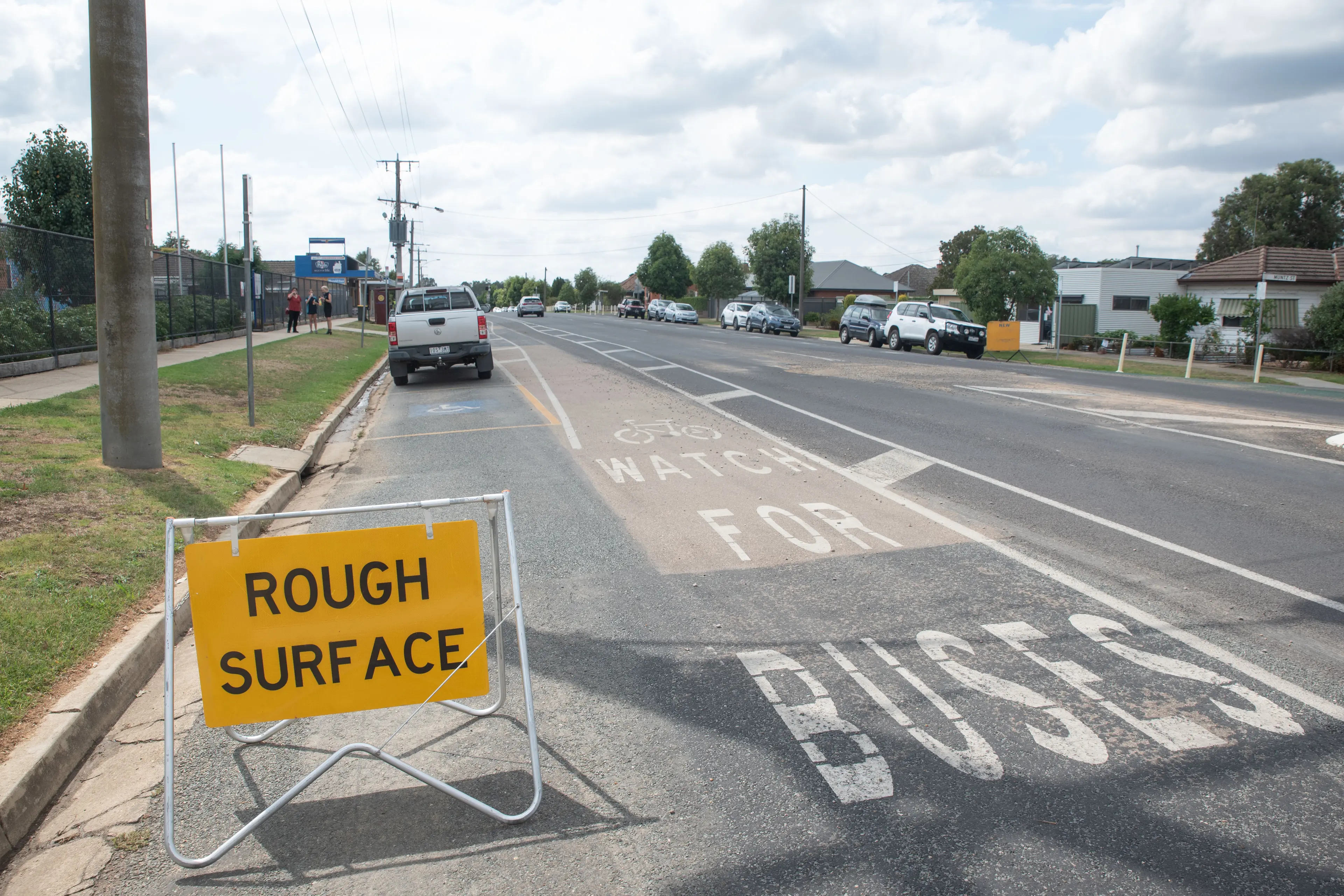
A big ticket item was the $1.04 billion towards rebuilding, repairing and resurfacing roads across Victoria, with 70 per cent of the funds going to regional Victoria and $127 million to improve the flow of regional freight rail.

Other notable and mostly already announced sweeteners included:

  • Capping the cost of travel at the same price as a metro daily, no matter how far you travel.

  • 20 per cent off vehicle registration, saving a driver with one car up to $186, and a family with two cars up to $372.

  • Free public transport in April and May – then half-price fares from 1 June until the end of the year.

  • An initial $860 million to the Social Housing Growth Fund which will go towards building 7000 extra community housing dwellings over the coming decade.

  • $1.8 million to continue the work of The Rural Financial Counselling service supporting local farmers and families.

  • $75 million Regional Health Infrastructure Fund will go towards supporting regional hospitals and health services.

  • $20 million into the Future Regions Program to boost productivity, livability and investment in Victoria’s regions.

  • $59.4 million to help families with school-age kids through free School Breakfast Clubs, more affordable uniforms, expanding the Glasses for Kids program to more schools – delivering free eye tests and free glasses to kids who need them.

  • Free kinder and free TAFE plus $5 million to deliver hydrogen and battery electric vehicle training at Wodonga TAFE.

  • $25.4 million for capital works at 24 schools across the state, including $440,000 for Mansfield Primary School and $8.9 million to upgrade Yarrawonga College P-12.

  • Funding for high intensity outside of school hours care at 35 specialist schools.

  • $7 million to operationalise the Shepparton Hospital PET scanner.

  • $20.9 million to continue running nine Urgent Care Clinics – including at Wodonga.

  • $62 million to recruit 200 police reservists for desk jobs to free up frontline officers.

  • $100 million (over 10 years) for new CFA tankers and pumpers.

  • $7.4 million to support those working in agriculture, including through the Rural Women’s Network Leadership and Mentoring Program.

  • $150,000 for the CWA to provide financial relief and practical help to women, children and families in need.

  • $17.5 million package for nine new outreach teams that are supporting rough sleepers and helping connect them to support across Northern Victoria.

Jaclyn Symes MP for Northern Victoria and Victorian treasurer acknowledged that regional families in Northern Victoria are feeling the pinch of higher transport and fuel costs.

“This budget delivers direct relief for the household budget—slashing costs for those long drives with cheaper regional fares, and taking 20 per cent off car rego,” Ms Symes said.

VFF acting president Peter Star welcomed some aspects of the budget including $5.9 million for farmer and rural mental health support, wellbeing and safety, the biosecurity investment, agricultural sector electrification and emissions reduction, more CFA fire stations, funding for the Regional Health Infrastructure Fund and the extra funding for regional freight rail, however, he was still critical of the Emergency Services and Volunteer Fund Levy changes and continued the call for it to be scrapped entirely.

“The much-hyped $1.04 billion for road repairs and resurfacing is a step in the right direction, but fails to deliver the level of investment required to fix Victoria’s deteriorating road network,” Mr Star said.

"The budget has been sold as Victoria’s vision for the future, but is lacking when it comes to detail for regional Victoria.”

Community Housing Industry Association Victoria (CHIA Vic) welcomed the 7000 additional social homes as a meaningful step forward but added further investment will be needed in coming years to meet the enormous demand.