PHOTO
When family violence makes headlines, it is often through the most extreme and devastating outcomes.
But these stories are not isolated incidents.
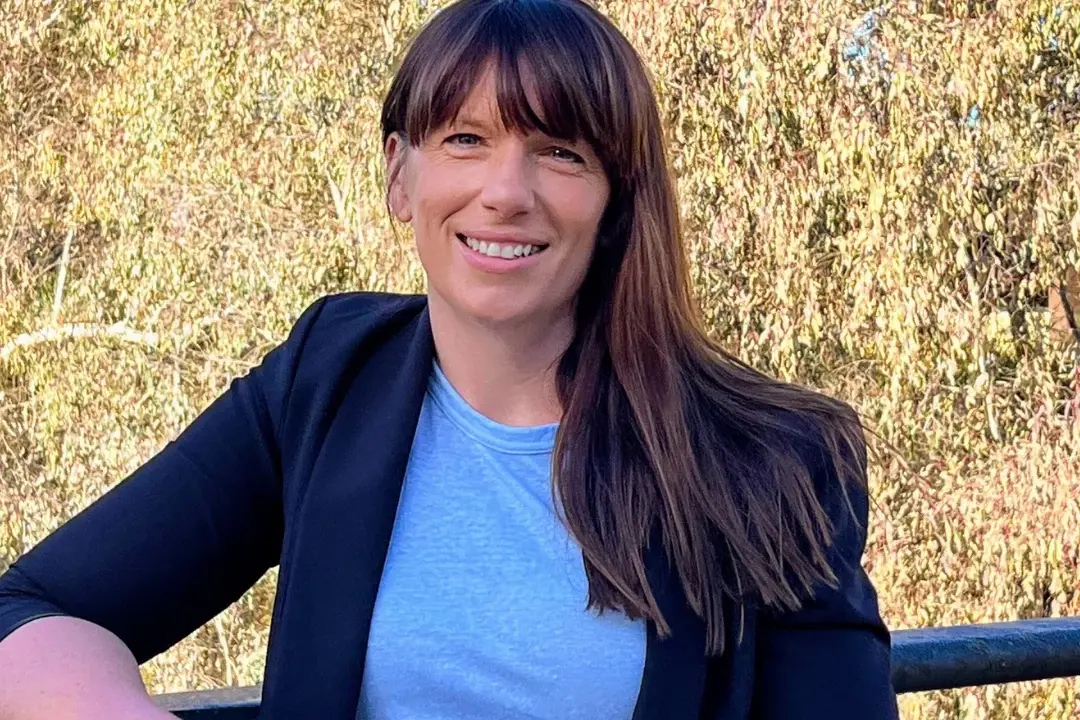
“In New South Wales alone, police respond to around 160,000 family and domestic violence callouts every year,” Jaime Chubb, chief executive officer of the Centre Against Violence, said.
“That is one call every couple of minutes.
"In Victoria, it is more than 105,000 call-outs annually, or one every five minutes.”
Jaime said these figures reflect what family violence services see every day.
“People who reach out to police often then come and seek support through organisations like ours,” she said.
“While it is not a surprise, the level of demand is deeply concerning.”
Behind every statistic are people, families, and children.
“We are talking about humans here,” Jaime said.
“Families, often including children.
"These numbers rarely represent just one person.
"They represent multiple people within a household, and that impact is compounded.”
She said family violence is far closer to home than many people realise.
“These are people in our neighbourhoods, kids in our schools, people we work with and people we play sport with.
"This is happening in every community.”
High-profile cases and media coverage often lead to increased help-seeking, which Jaime said can be a positive outcome when handled responsibly.
“We absolutely see more people reaching out when these stories are in the headlines,” she said.
“Not just victim survivors, but family members, friends and colleagues seeking guidance on how to support someone they are worried about.”
However, Jaime stressed that how family violence is reported matters.
"We need to be very careful that we are not victim-blaming or dramatising violence,” she said.
“Responsibility sits with the person choosing to cause harm.
"As a community, we also have a responsibility to talk about family violence respectfully and to provide safe pathways for people to seek help.”
Across North East Victoria and nationally, family violence services are seeing increasing risk and complexity.
“We are seeing more calls, but we are also seeing immediate and heightened risk,” Jaime said.
“These are unsafe and unsustainable family environments.
"Often, people need to flee their homes to remain safe, and long-term safety planning is required, particularly where children are involved.”
Housing insecurity remains one of the most significant barriers to safety.
“If people do not have safe places to go, they often return to unsafe homes,” Jaime said.
“Women and children are spending months, sometimes more than a year, in temporary accommodation because there is nowhere for them to move on to.
"Investment in housing is imperative if we want to make a real difference.”
Jaime said family violence-related deaths are the most visible outcome of a much broader crisis.
“Death is the most extreme outcome, but it reflects the thousands of people living with daily fear, harm and abuse,” she said.
“That is simply not acceptable.
"We need sustained investment in prevention, strong service responses and honest community conversations that recognise family violence for the epidemic that it is.”
If you or someone you know needs support due to family violence, contact The Orange Door Monday to Friday between 9am and 5pm on 1800 271 157, or Safe Steps on 1800 015 188 for 24/7 after hours support.
If you or someone you know needs support due to sexual assault, contact Centre Against Violence Monday to Friday between 9am and 5pm on 03 5722 2203, or the Sexual Assault Crisis Line on 1800 806 292 for 24/7 support.
If you are in immediate danger, call the police on 000.