PHOTO
At a time the Rural City of Wangaratta was at a crossroad, there was a person who was tasked with charting a course for a half sunken ship, to steer it to calmer waters.
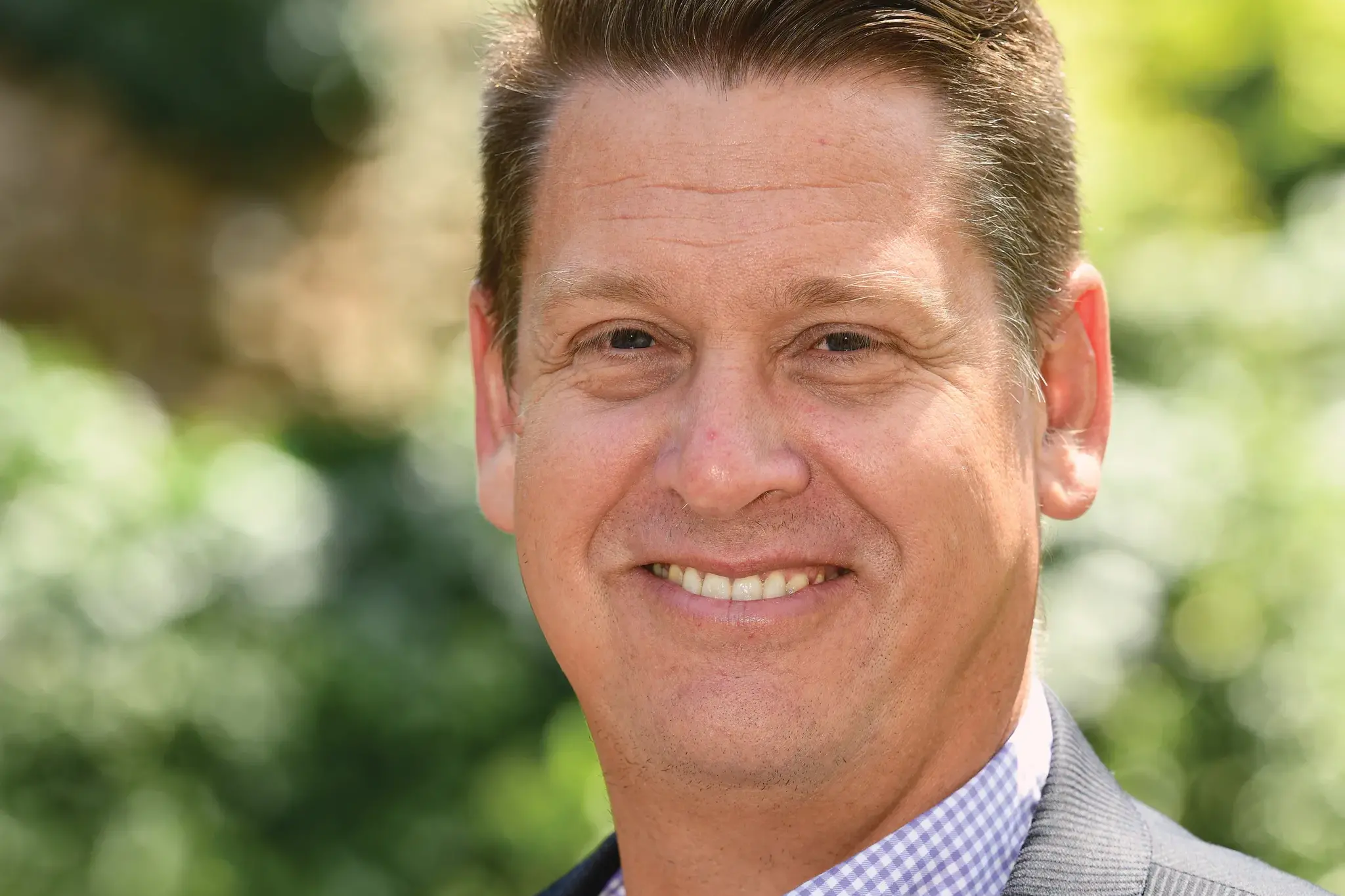
Brendan McGrath was hired as CEO of the organisation, the first of three newly installed administrators, following the dismissal of a dysfunctional council in 2013 by then Minister for Local Government Janette Powell.
From the beginning, strategy and planning was paramount for the rural city to rise from the chaos and uncertainty, and while there were bumps along the way with pressures on finances due to the government cost shifting and restrictions like the rate caps, council has managed to build on its goal to service the community.
"It was about pointing out what the priority projects were and working out how we're going to fund them," Mr McGrath said.
"With both the administrators and successive councillor groups, we've delivered some amazing stuff.
"We've got the Wangaratta Sports and Aquatic Centre and the amazing sports to the main precinct, which I think is the envy of pretty much any regional council area in Victoria.
"You've got the Kelly Discovery Hub and we've doubled the amount of money we spend on resheeting gravel roads.
"We've done the revitalisation of the parts of the CBD, which look amazing, and we've done the railway precinct."
Mr McGrath said this all requires long-term planning and reinvestment to spend a lot of money to build things, but council also has to maintain them along way.
"At some point, you've got a plan to refurbish them or replace them all together and that comes down to the effective planning and funding strategy," he said.
The building blocks were already being stacked before Mr McGrath walked through the door, as he said the administrators had jumped from the blocks well by the time he arrived.
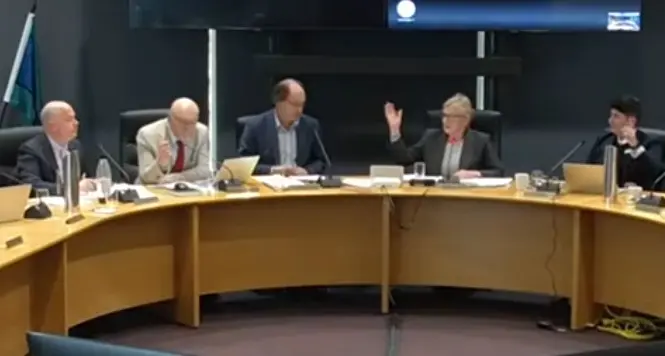
Administrators made their decisions with assertiveness at monthly meetings with a no-nonsense approach - it was evident they had a job to do and they were getting it done.
"The focus really was on creating a sense of stability and getting everyone looking forward and trying to move on from what the organisation had been through and rebuild people's confidence, both within the organisation and within the wider community and the business community," Mr McGrath said.
"It was really a combination of working out strategically what were the important things for the organisation to be done over the next few years.
"A prominent factor was about building a positive culture within the organisation and helping people to focus on the customer and good outcomes for for our community, which is what's really important."
But this is something that doesn't happen instantaneously for any recovering entity, it needs work over time and flows from the right people in the key positions who are focused on worthy community and customer outcomes, including the delivery of services and projects.
"You gradually recruit the team who has the right focus on all of those areas and the right capabilities over a period of time and we've been really fortunate with our three directors," he said.
"We had a six to seven year period of incredible stability with that group of people and it's something you don't really see all the time in organisations with people moving around a lot, but that has been really beneficial.
"It's about making it clear to everybody what's important and what the focus is and and trying to work across the organisation and have everyone heading in the same direction."
Almost 12 years later Mr McGrath has decided to move on, taking up a role with North East Water.
And as one chapter closes he can look back on an era that has spawned change to the city, setting up for growth into the future.
Perhaps the city is at another crossroad for residential and business development, and if council is backed by state and federal governments to meet service and infrastructure demands, a stronger vision of Wangaratta's potential will manifest.
"It was a real privilege to hold a position like that and I've worked with some amazing team members in the organisation with very effective, successive councils - we've only had 11-12 councillors serve across three terms of council," he highlighted.
"That speaks to great stability and I think we've really managed to develop and maintain really collaborative relationships with those groups and gain positive outcomes for our communities which is ultimately what it's all about."
Director of sustainability & culture Stephen Swart started as interim CEO on Monday until a replacement is appointed.
The recruitment process for the next CEO is underway.
Council has engaged recruitment partner Davidson to manage both the advertising and the executive search for this role.
Applications close on Sunday, 18 January.