PHOTO
73795.0
Wangaratta council and local vets are urging dog owners to take precautions and ensure their dogs’ vaccinations are up to date following the detection of canine parvovirus locally.
Canine parvovirus is a highly contagious virus that affects unvaccinated and partially vaccinated dogs, the most obvious signs of parvovirus are gastrointestinal, including lethargy with vomiting, diarrhoea and appetite loss.
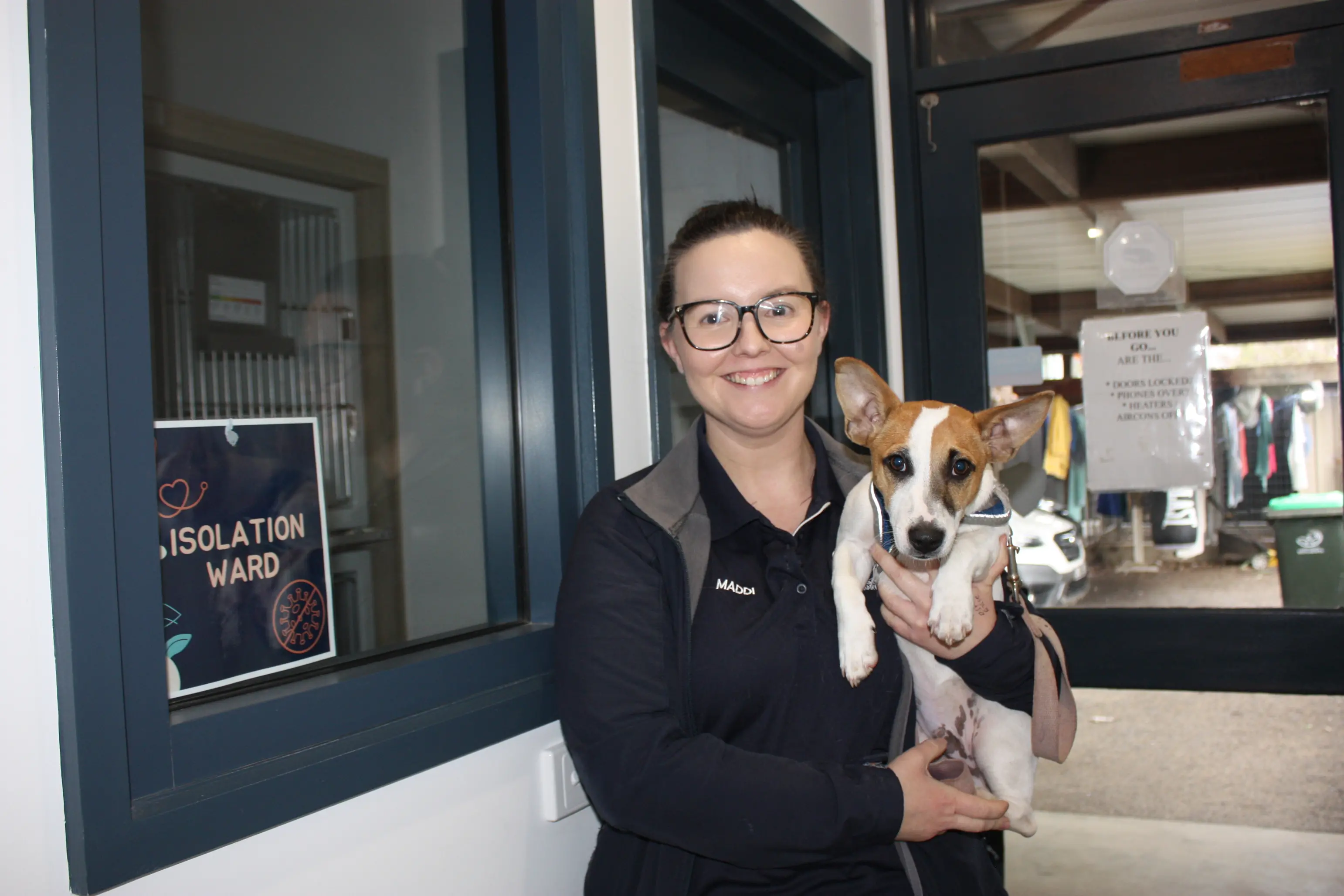
Wangaratta Vet Clinic vet nurse Maddi Revell said they are aware of active cases in the North East.
“Initial signs may be very non-specific and develop within 12-24 hours," she said.
“Signs include vomiting and a mucoid to haemorrhagic diarrhoea with marked abdominal pains.
“Parvo is a highly contagious virus that severely attached a dog’s gastrointestinal tract and immune system.
"It prevents nutrient absorption and destroys white blood cells, leading to life threatening dehydration, shock, sepsis and death if left untreated.
“Signs occur three to seven days after exposure, but up to 15 days.
“They go downhill very quickly, hospitalisation straight away is key.
“We provide as much intensive care as we can.”
Maddi said prevention is the best step owners can take to protect their dogs.
“It is really important dogs are up to date with the vaccinations,” she said.
“It is part of the core vaccinations puppies get, and it’s not until two weeks after their final vaccination at 16 weeks are they considered safe to be in the community.
“Owners can call any clinic and get their dog vaccinated as soon as possible.
“Predominantly it is unvaccinated dogs who are at risk, but we will still be cautious with vaccinated dogs if they present showing signs.”
Maddi said the disease can survive for long periods in the environment.
“Parvovirus has been detected in the area numerous times in the past,” she said.
“It is spread through faeces of infected animals, direct dog-to-dog contact, body fluids like vomit or salvia, and contaminated environmental surfaces or objects.
“Us in the community walking around, stepping in dog poo, and taking tiny little parts of contamination home is a risk to our pets.”
The Rural City of Wangaratta strongly advises dog owners to ensure their pets' vaccinations are up to date, avoid contact with sick animals, and monitor for any unusual symptoms.
A council spokesperson said they have been monitoring nearby councils with cases of parvovirus, which has now unfortunately spread to Wangaratta.
"Please seek veterinary attention ASAP if your dog develops them," the spokesperson said.
"Parvovirus vaccinations are the best way to protect your dog.
"There is still a chance they may contract the virus, but the symptoms will be less severe.
"Consult a vet on the best vaccination schedule.
"Dog parks are a high-risk area, scoping the park for dog faeces and keeping a close eye on your dog, then picking up after it, is the best way to help prevent the spread.
"We work closely with local vets to gauge the severity of the issue and will continue to publish community notices where needed.
"Always best to consult a vet for the best up-to-date advice and practices."
As the parvovirus that affects humans is a different type of virus than the one that is transmitted amongst dogs, the canine parvovirus is not contagious to humans.