PHOTO
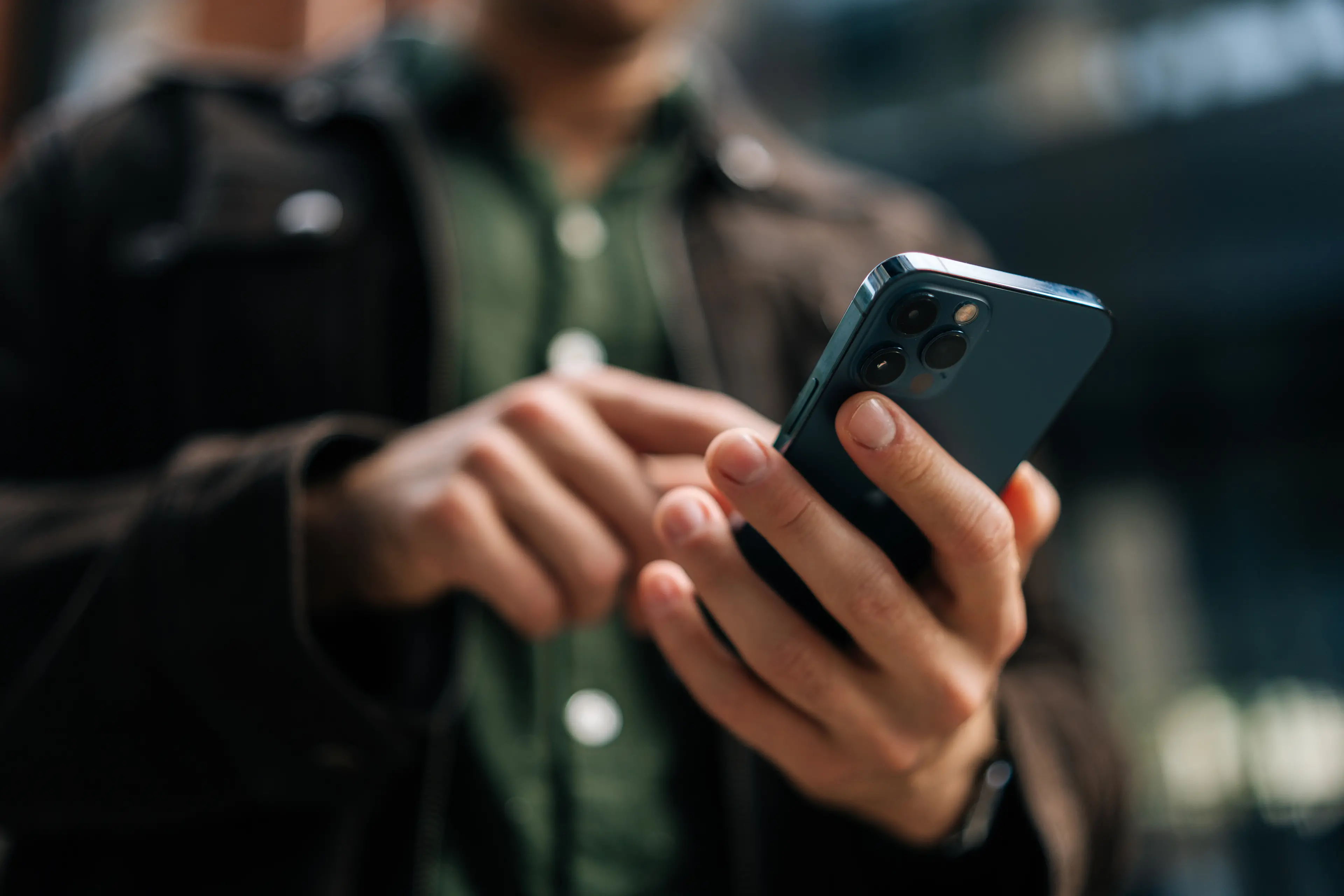
Close-up hands of unrecognizable man holding and using smartphone standing on city street, browsing internet, checking social media, using mobile application. Concept of modern communication.
A new emergency warning system which sends alerts through mobile phones will be tested nationally on Monday, 27 July.
AusAlert brings cell-broadcast technology to Australian emergency warnings, and will enable messages from federal government and state and territory emergency services organisations to be sent to compatible mobile phones and other mobile devices in specified areas.
The system will send urgent messages in the event of natural hazards like bushfires, floods, cyclones and tsunamis; public safety and security threats; biosecurity incidents such as animal or plant disease and biohazard outbreaks; and health emergencies such as pandemics.
An AusAlert message will tell the recipient what the emergency is, where it is happening, how serious it is, what they should do, who the message is from, and where to find more information.
During the most serious emergencies, AusAlert will use a loud warning sound and vibration, even if a phone is on silent or 'do not disturb'.
The system is expected to be technically ready in July, and available for use by October.
Some early community testing is taking place this month, with Geelong the only Victorian location, and the national test will follow on Monday 27 July (2pm Victorian time).
At the time of the test, a single Critical AusAlert test will be sent to every mobile device in Australia.
Everyone with a compatible phone or other device in Australia can expect to receive the alert.
Devices will vibrate and play a siren-like warning sound for about 10 seconds, and an AusAlert message will appear on device screens, clearly stating it is a test.
Exactly how it appears will depend on the device type and operating system.
Messages will initially be sent only in English.
Efforts are being made to help people stay safe during community-based trials and the national test, especially if receiving an AusAlert might make them feel unsafe or put them at risk.
If receiving an AusAlert test message is likely to disrupt or cause you or a family member to feel unsafe, mobile devices should be turned off or switched to aeroplane mode before the scheduled test time and left off for at least one hour.
The technology - used by more than 30 countries for emergency warning communications - is considered international best practice, and will be more reliable, accurate and efficient than current systems.
The alerts will be sent only by authorised emergency services organisations and federal government agencies; AusAlert does not collect or store mobile phone numbers and locations, which helps protect the recipient from scams.