PHOTO
Wangaratta experienced a year of contrasting weather patterns in 2025, marked by record-breaking dry spells, intense heat and sudden storms.
The hottest day of the year came late in the season, with the soaring temperature of 41 degrees Celsius on Thursday,18 December, our warmest in almost four years.
In stark contrast, the coldest day occurred on Thursday, 5 June coming in at a chilly -4.7 degrees Celsius.
Rainfall totals for the year reached 452.2mm, well below the long-term average of 610.9mm, highlighting a persistently dry trend across the region.
The Bureau of Meteorology’s (BOM) weather station at Wangaratta Airport recorded that November capped off a drier-than-average spring, with just 121mm from August to November - the driest for that period since 2019.
April stood out as historically dry, with only 3.2mm of rain, making it the driest April in 98 years, while June delivered the highest monthly rainfall of 84.2mm falling over 16 days, offering temporary relief to parched soils.
Storm activity punctuated the dry conditions late in the year.
On Sunday, 21 December, Wangaratta dodged the worst of forecasted storms but still received 25.4mm of rain and wind gusts up to 69km/h, prompting seven VICSES callouts.
Earlier in December, gusts exceeding 100km/h caused damage near Laceby, Glenrowan and Cheshunt.
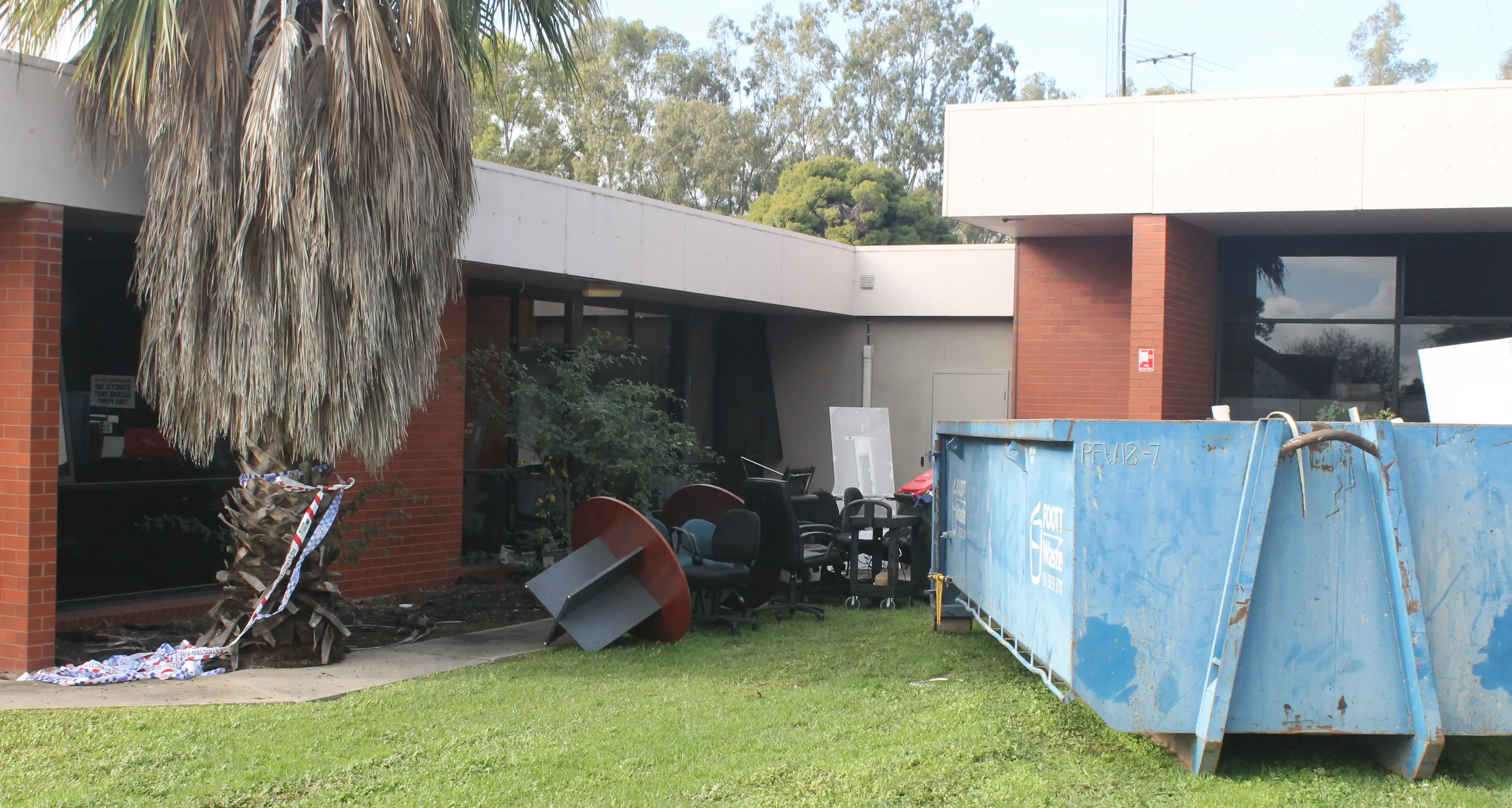
Summer also saw a devastating grass fire in Markwood which, fuelled by strong 65–75 km/h winds, consumed 385ha of farmland, destroying two homes, damaging another, and razing eight sheds and workshops.
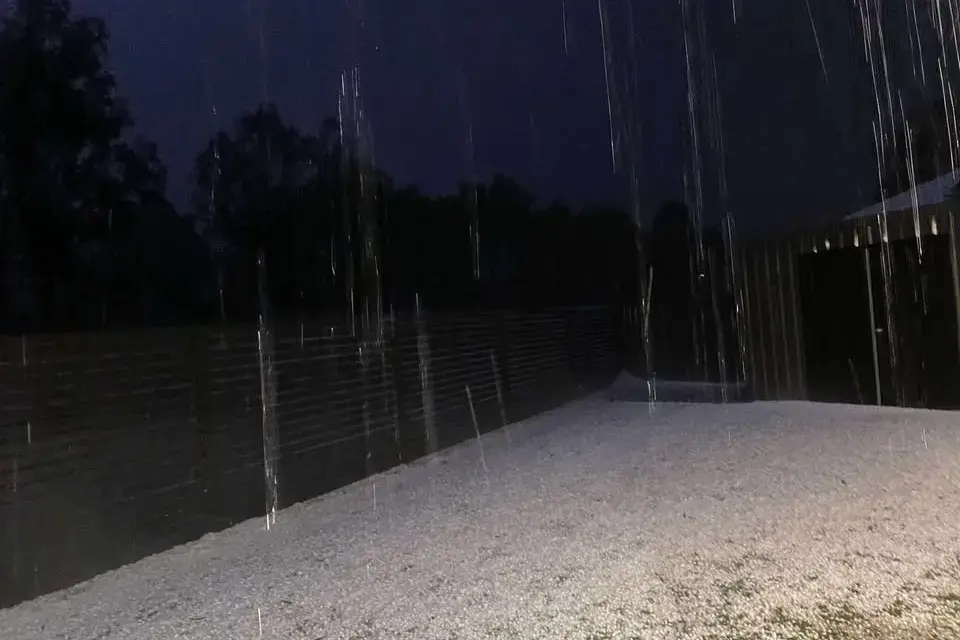
On the opposite end of the spectrum, a shock hail storm on 11 December caused damage to one Wangaratta residents' home, and left more than 800 properties without power when the storm hit.
Temperature fluctuations were notable throughout the year.
November saw a record low of -1.3°C, while Rutherglen dipped even further to -2.1°C.
Despite cooler-than-average maximums in spring, summer heatwaves reinforced the region’s climate variability.