PHOTO
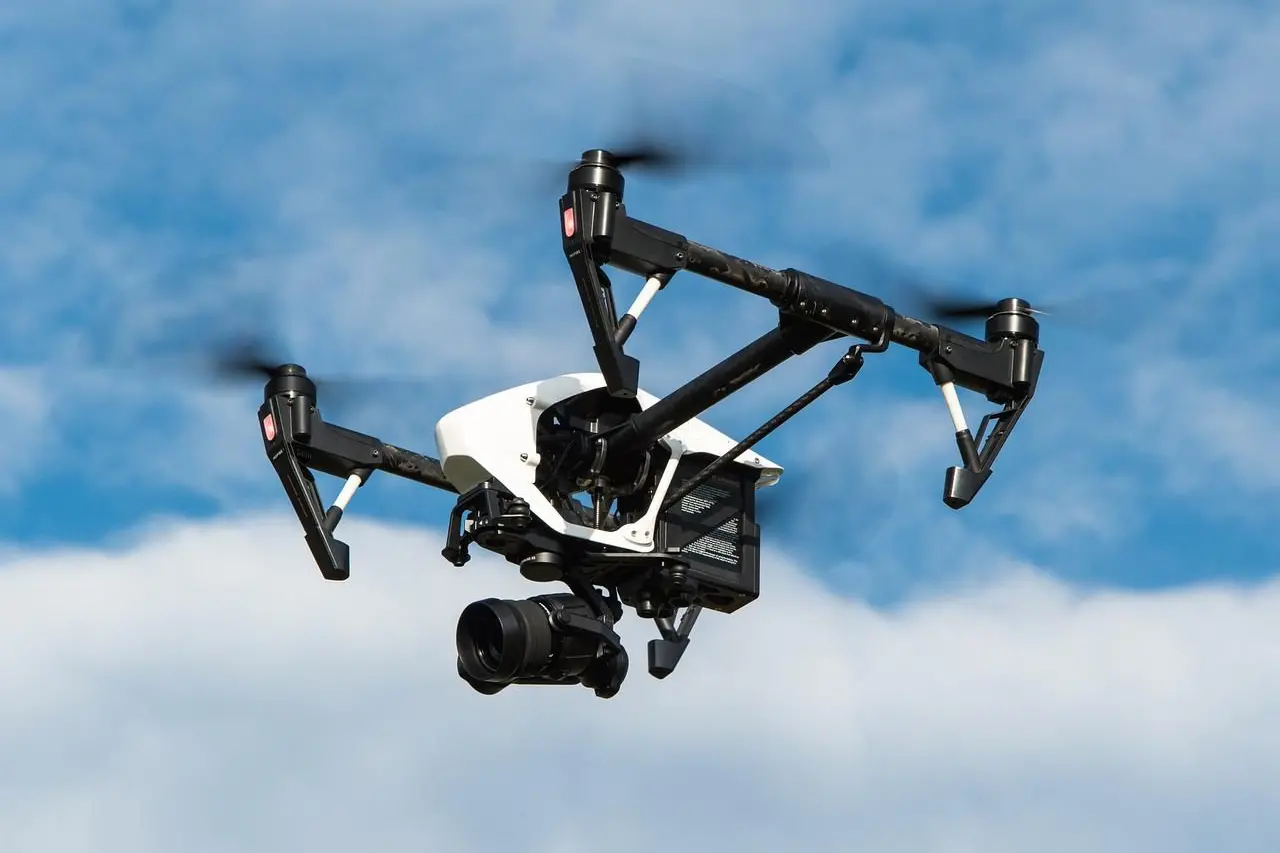
DRONES can be a fun toy, an exciting hobby or a useful tool for farmers and other commercial activities, but for others they may create privacy, noise and safety concerns, especially when flown near people and houses.
There are rules that govern the use of drones set out by the Civil Aviation Safety Authority (CASA).
"Drones should not be flown over populous areas such as neighbouring houses, suburban streets, busy roads, or crowded beaches and parks due to the risk of someone being within 30 metres of your drone," a CASA spokesperson said.
"You can fly your drone in your own backyard or acreage, but you must still obey all drone safety rules.
"However, commercial operators, in particular a remotely piloted aircraft operator's certificate (ReOC) holder can apply for flight authorisations through CASA for more complex operations, such as flying at night or closer to people.
"If you believe you've seen someone breaking the rules, or unsafe or inappropriate drone usage, you can report it to CASA by using the online form (available on their website)."
Regulatory breaches may carry fines up to $1110 per offence.
"Anyone who fears for their safety or needs an immediate response to a drone–related incident should report it to their local police," a CASA spokesperson said.
Bill Hall, a local pilot and committee member of the Wangaratta Aero Club, said drone operators must be aware the regulations cover all types of drones.
He strongly encourages all drone users to understand the rules and abide by them.
Those rules include not flying within 5.5 kilometres of manned aircraft.
Mr Hall is not aware of any problems with drones involving local aviation in recent history.
CASA's drone rules are at https://www.casa.gov.au/drones/drone–rules/drone–safety–rules.
Apart from safety concerns, an operator of a drone with a camera must not breach privacy laws if the drone is being piloted by an Australian Government agency or organisation with an annual turnover of more than $3 million, according to the Office of the Australian Information Commissioner (OAIC).
Such an organisation or agency must tell you that your image may be captured before you're recorded and make sure recorded personal information is secure and destroyed or de–identified when it is no longer needed.
The OAIC said the privacy act does not apply to private citizens and organisations with a turnover less than $3 million using drones in a private capacity.