
PHOTO
THE Azure Kingfisher is a delightful local bird which is present year-round along our major rivers and creeks.
They can be seen either as a vivid blue flash flying low along waterways or sitting on an exposed dead branch over the water.
They are usually silent but make a high thin whistle 'pee-ee, pee-ee' when flying.
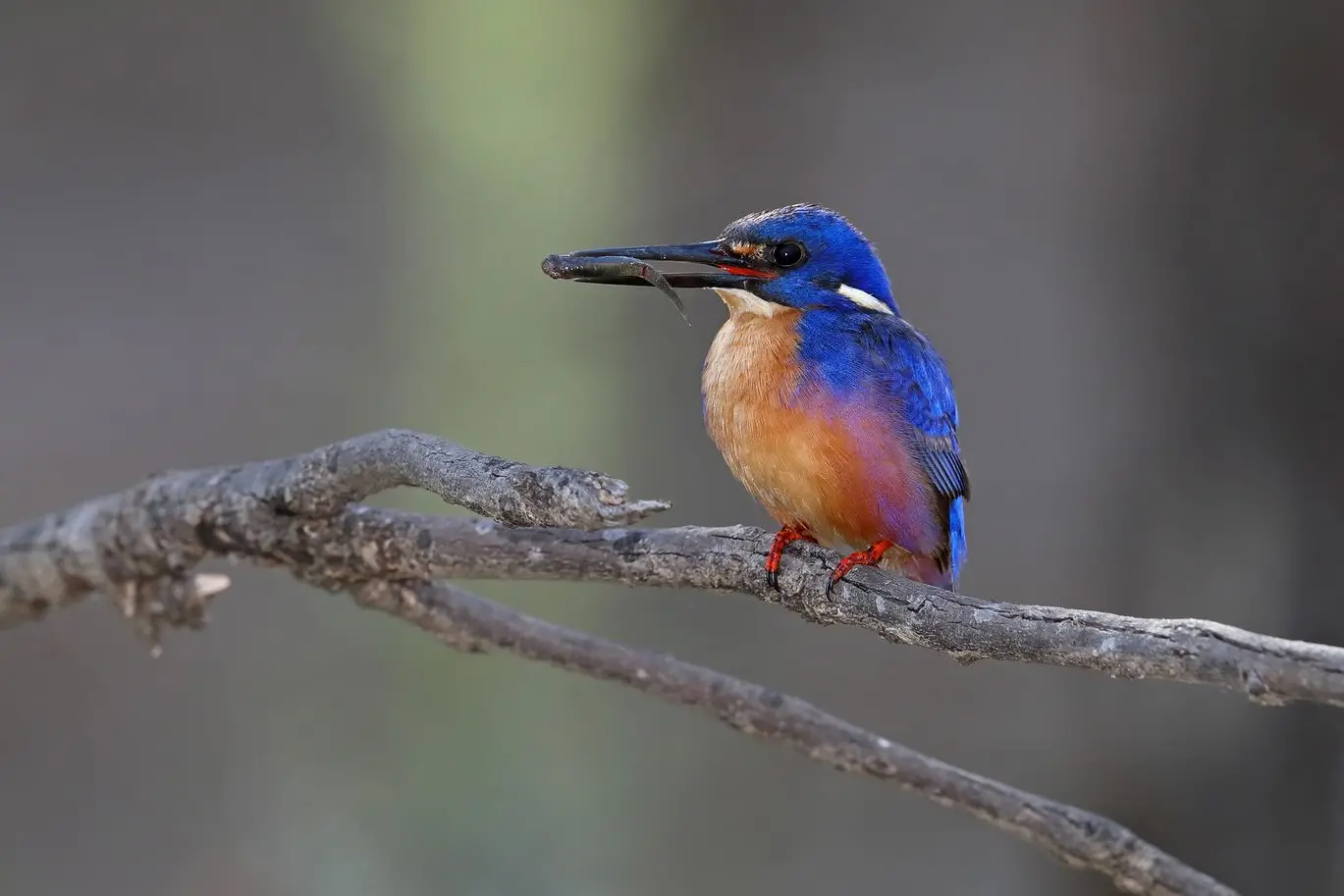
The Azure Kingfisher is a small kingfisher with a very long slender black bill and a short tail.
The head, neck, upper parts and breast sides are a magnificent deep azure blue with a violet (purplish) sheen.
The neck has a distinctive orange stripe on each side and there is a small orange spot before each eye.
The throat is pale orange-white, grading to orange-reddish on belly and undertail.
The flanks and sides of the breast are washed purple to violet.
The legs and feet are red.
The sexes are similar and young birds have a darker cap and have less vibrant colours.
The Azure Kingfisher are never far from water, preferring freshwater rivers and creeks as well as billabongs, lakes, swamps and dams, usually in shady overhanging vegetation.
At times they can be seen in local parks on rivers banks or around fish ponds in urban areas, especially during flooding of local rivers where prey is likely to be more difficult to find.
When feeding, the Azure Kingfisher plunge-dives headfirst from overhanging perches into water to catch prey.
They hunt a variety of prey including small fish, yabbies and shrimp, aquatic insects and other invertebrates, and less often, frogs.
They will often bash their prey against a perch before swallowing it head first.
In an interesting twist they have been observed watching Platypus foraging underwater and catching food items that have been disturbed.
Azure Kingfishers form monogamous pairs that defend a breeding territory and both parents incubate and feed the chicks.
The nest is at the end of a burrow dug out of soil in a steep riverbank.
The tunnel slopes upwards to the nesting chamber and can be 80cm - 130cm long.
Flooding can destroy low-lying burrows.
Water quality and clarity is very important to the Azure Kingfisher as they hunt by sight and cannot find prey if the water is too turbid (muddy).
Maintaining healthy and stable river and creek banks with native vegetation, through limiting stock access enables successful nesting.
Large numbers of pest fish like European Carp can also adversely affect local populations as they compete for food resources.
We are lucky locally, in that the Ovens and King River catchments are generally very healthy waterways and are still a haven for many native species.