PHOTO
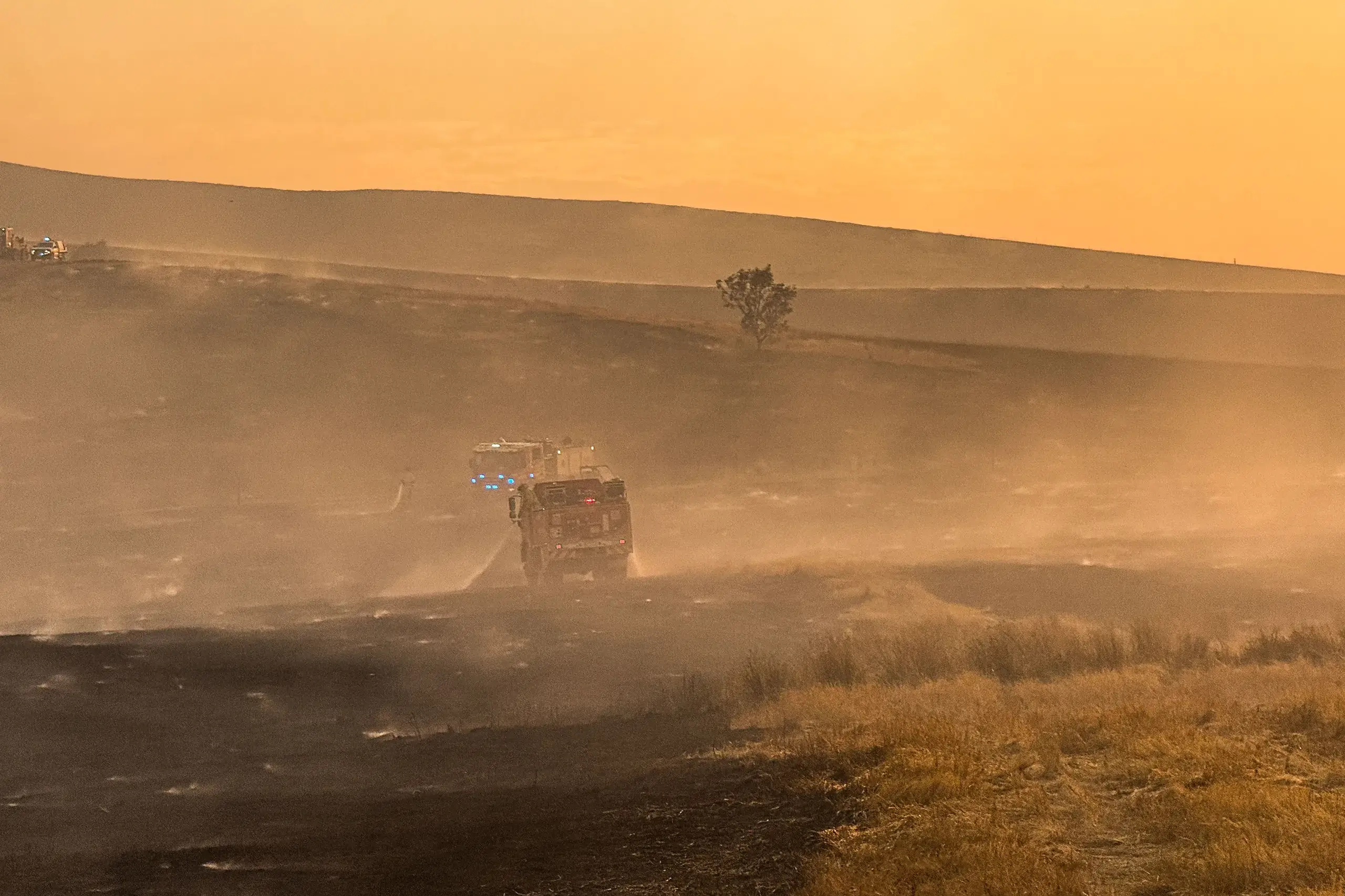
The persistent dry conditions of the last few months of 2025 in North East Victoria and the Riverina have continued into the first fortnight of January, with maximum temperatures well above normal.
Many towns have been without any rain in North East Victoria and the Riverina so far in 2026.
Almost the whole of South Australia has been totally rain less since the last week of December.
Over the last 140 years there have been a dozen cases when the first fortnight of January has been very dry.
I have selected those which followed dry and warmer conditions of the previous years - they were 2007, 1939, 1930 and 1923.
In 2007 it was notably dry and hot and there was no significant rain until the fourth week of March.
In 1939 there were fierce heatwave conditions with record high temperatures and widespread bushfires (Black Friday, 13 January).
February 1939 continued dry and very hot until widespread heavy rain arrived on Sunday, 26 February.
In 1930 it was notably dry until late March.
In 1923 the first four months were the driest on records over most of Victoria, South Australia and NSW and also most areas of Queensland.
Significant rainfall did arrive in Victoria and South Australia by early May 1923.
An unusual situation was a large inland low pressure which moved southwards from Queensland right across Victoria during the first week of June 1923, bringing widespread heavy rain.
Looking at the rainfalls for January 1946 after last year when Melbourne had its coldest November day since 1945 and then Rutherglen had its highest December temperature since 1945 and the recent heatwave which matched that of the second week of January 1946, the rainfall totals for the first fortnight of January 1946 were still notably dry (3 to 5 mms) at major towns in North East Victoria and the Riverina.
The records showed that widespread heavy rain fell over Victoria and NSW about 18/19 January 1946.
The recent heavy rain from Cairns to Mackay from the end of December up to the second week of January has shifted westwards to Winton which has had 310mms since mid December, resulting in major floods for the second time since March 2025 when 316.6mms was recorded - the wettest March in 140 years of records.
The previous wettest March at Winton was 218mms in 1994.
Very interesting indeed because 1994 was a very dry year in NSW and Victoria, warmer than normal and very similar to last year.
In January 1995 there was widespread heavy rain and thunderstorms late in the third week and during the fourth week of January in Victoria and NSW - with the . . Once again the BOM failed to give warnings for floods.