
PHOTO
56851.0
The River Bottlebrush is a relatively common plant along many of our waterways in northeast Victoria but often escapes attention except for when it flowers.
The mighty River Red Gum dominates our waterway banks and the River Bottlebrush helps provide a shrubby understorey.
It occurs as a shrub or small tree to 6m high with tough bark that is deeply fissured or split on old plants.
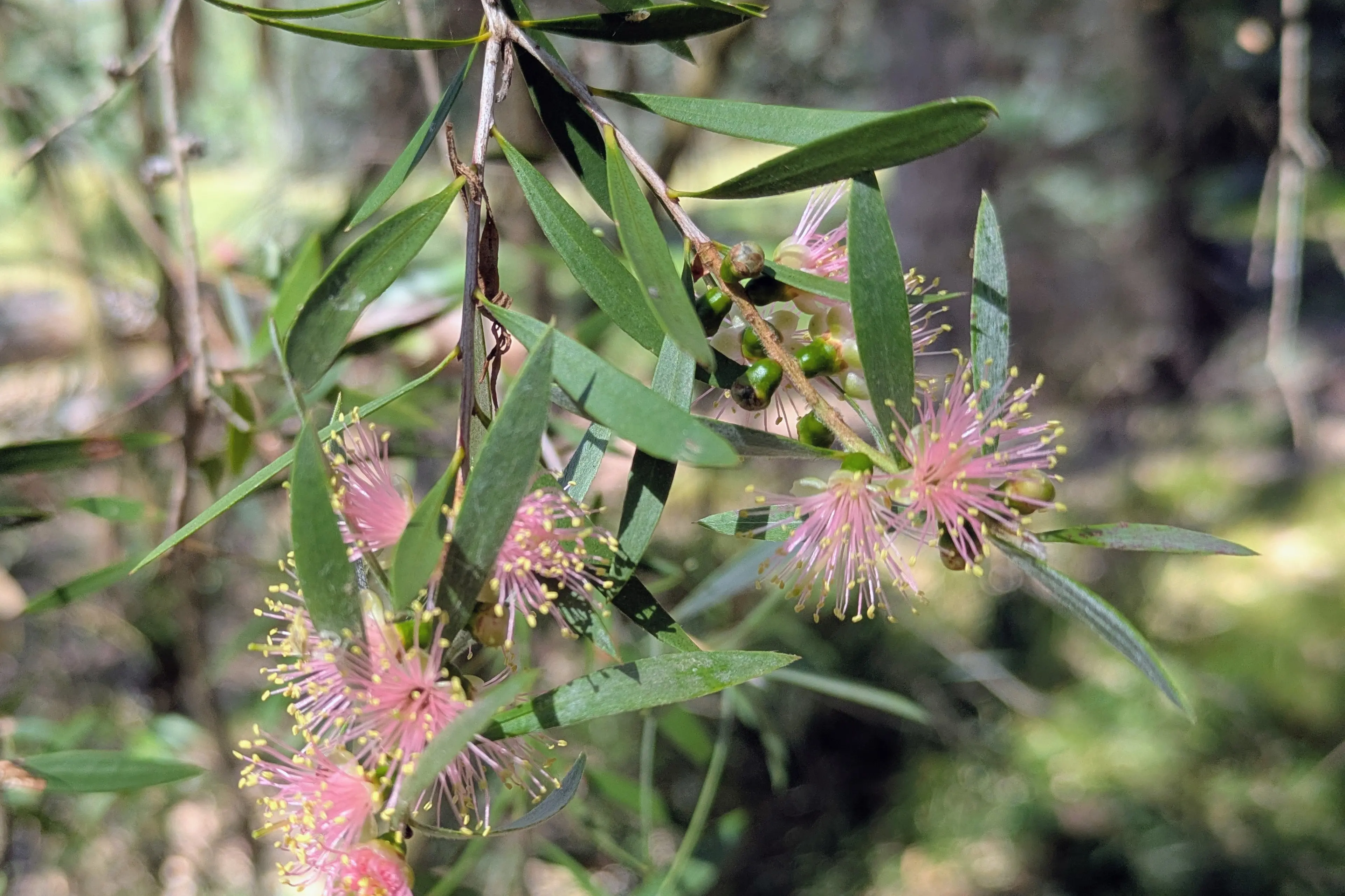
The branches usually tend to weep and are full of bends on mature plants and the leaves are narrow and pointed and 3–5 cm long.
Flowers are spikes usually 3–5 cm long, coloured cream to pale yellow and occasionally pink with bright yellow anthers.
As with all bottlebrushes their seed capsules persist on the branchlets and are cup-shaped, 3–5 mm long.
Locally they flower in November and December.
River Bottlebrush occurs naturally along river banks and combined with its fibrous root systems and ability to survive being submerged during floods is likely to have been a key plant in minimising stream bank erosion.
Unfortunately because it is relatively slow growing and is highly susceptible to being eaten by livestock so it usually only occurs on very steep banks or areas which are seldom grazed.
The Bangerang enjoyed the flowers of the River Bottlebrush for making sweet drinks when combined with water.
River Bottlebrush are long lived, with several locally being well over 100 years old.
The wood is reddish and very dense and heavy and was used to make clubs and digging sticks.
Many wildlife species utilise River Bottlebrush including honeyeaters and insectivorous birds which either feed on the nectar or the insects that are attracted to the nectar and pollen.
Yellow Rosellas feed on the tiny seeds that are contained within the woody seed pods.
Small birds including Red-browed Finches, White-browed Scrubwrens, Superb Fairywrens and Grey Fantails utilise the dense cover of the bottlebrush to nest and roost in.
Past research observed that tiny Murray Cod fry were using the low branches that trailed into the water to shelter behind to reduce the likelihood of predation by larger fish.
It truly is a remarkable plant.
Now is the best time for those wishing to see River Bottlebrush as many of the them are now in full bloom.